Rush Rush by Paula Abdul
Why the meaning of Rush Rush Paula Abdul still lands
The meaning of Rush Rush Paula Abdul comes down to one strong feeling: wanting love so badly that patience no longer feels possible. The song is a romantic plea, but it is not cold or distant. It sounds open, needy, and sincere.
"Rush Rush" - Paula Abdul
You're the kiss that puts my soul at ease
What I'm saying is
Loading lyrics...
Unable to load lyrics
We're unable to display the lyrics at this time. Please try again later.
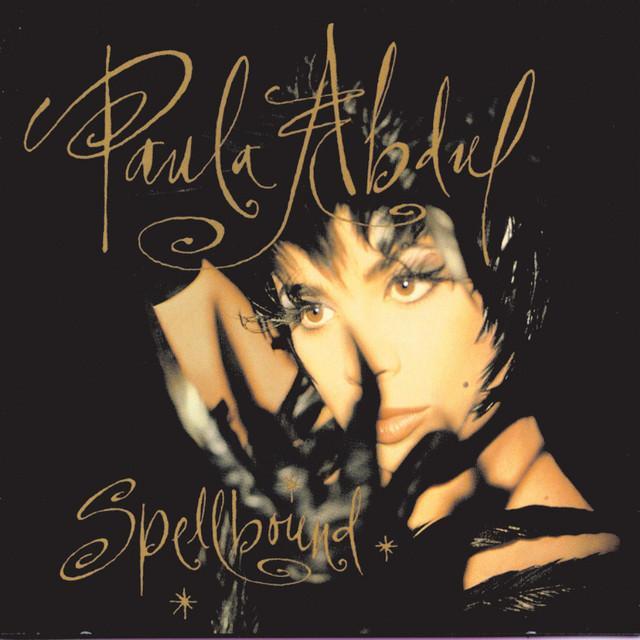
Released as the lead single from Spellbound in 1991, it marked a major turn for Paula Abdul. After a run of upbeat pop hits, this was her first ballad single, a risk that paid off when it spent five weeks at No. 1 on the Billboard Hot 100 and also topped Adult Contemporary for five weeks, according to the research provided from Wikipedia and Songfacts. That success matters because the song's softer style is part of its meaning: it asks listeners to hear vulnerability, not just rhythm.

Watch the official Rush Rush
music video
A love song built on urgency, not mystery
At its core, "Rush Rush" is about someone who is already emotionally committed and wants the other person to move closer. The verses use sweet images to describe attraction, then quickly turn into direct confession. When the narrator says they are into you
, there is no game-playing left.
That honesty shapes the whole song. They are not asking for perfection, wealth, or fantasy. They want the real person, as they are. That is why one of the song's most revealing ideas is that all they want is the other person "as you are," which makes the desire feel emotional before it feels physical.
Interpretation: The song is not just about passion. It is also about reassurance. The narrator seems to believe that true love should be freely given and fully returned.
How the verses move from sweetness to ache
The opening lines present the beloved as comfort and relief. Images like a summer breeze and a soul-soothing kiss suggest calm, not chaos. But the song does not stay calm for long.
Soon, the emotional temperature rises. The narrator admits that even when the other person is physically near, they can still feel far away if there is no embrace. That shift is important. The song argues that closeness is not measured by distance alone. Real intimacy needs mutual openness.
A short phrase like too far away
says a lot. It turns ordinary longing into emotional frustration. The person is close enough to touch, yet not close enough to satisfy the heart.
Three key beats in the lyric
- The narrator praises the lover in gentle, idealized terms.
- They confess increasing need and impatience.
- They move from admiration to a plea for complete connection.
That structure makes the song feel like a rising wave. Each section pushes harder than the last.
What the chorus really says
The chorus is simple, but that simplicity is the point. Repeating Rush, rush
and hurry, hurry
turns desire into rhythm. The hook sounds breathless, almost like a heartbeat picking up speed.
Importantly, the request is not only "come here." The narrator also wants the lover to get free with me
. That line suggests emotional release as much as romance. They want the other person to let go of restraint, fear, or hesitation.
Interpretation: The chorus frames love as liberation. The urgency is not only lustful. It is about breaking through distance and finally being fully present with each other.
Sensuality with a soft-focus glow
The song is sensual, but it is not graphic. The bridge talks about kisses and how deeply this person affects the narrator. A phrase like turn my senses all around
shows that attraction is felt through the whole body.
Still, the song keeps its tone tender. Even in its most intimate moments, it sounds dreamy rather than aggressive. That is one reason the ballad reached both pop and Adult Contemporary listeners. It offers desire in a polished, emotional form.
How the production carries the message
The track's meaning is strengthened by how it sounds. Research notes identify Peter Lord as the writer and Peter Lord with V. Jeffrey Smith as producers. The arrangement leans on a slow-ballad structure, plush keyboards, and prominent strings, giving the song a wide, cinematic feeling.
That matters because the narrator is asking for a big, overwhelming kind of love. The instrumental backdrop makes those feelings seem larger than everyday life. Instead of sharp dance beats, the song uses smooth motion and swelling melody to let yearning stretch out.
One especially revealing detail from the research is that Abdul's scratch vocal was kept in the final version because of its vulnerable tone. That helps explain why the performance feels so unguarded. The voice is not trying to sound tough; it sounds close, almost fragile, which fits the lyric's emotional risk.
The video adds teenage drama and classic-romance myth
The video, famously inspired by Rebel Without a Cause and featuring Keanu Reeves, turned the song into a mini-movie. Research notes that it recreated scenes from the 1955 film and received heavy attention.
This context changes how many listeners hear the song. The video gives "Rush Rush" a sense of doomed-young-love drama, where desire feels urgent because time and safety seem uncertain. Even if that story is separate from the lyric, it reinforces the song's central mood: love as something immediate, dangerous, and impossible to delay.
Why the song mattered for Paula Abdul
"Rush Rush" was more than a hit single. It helped prove that Abdul could sell tenderness as convincingly as dance-floor energy. That stylistic shift was a gamble, but it widened her image and audience.
For that reason, the meaning of Rush Rush Paula Abdul also includes career context. The song's vulnerability was part of its message and part of its success. Listeners were hearing not just a character in love, but an artist showing a softer side.
Final takeaway
"Rush Rush" is about longing that feels too strong to hide. It presents love as comfort, craving, and emotional surrender all at once.
Interpretation disclaimer: Song meaning is never fully fixed. This reading is based on the lyrics, vocal delivery, production, and documented context, but other listeners may hear the song differently.








