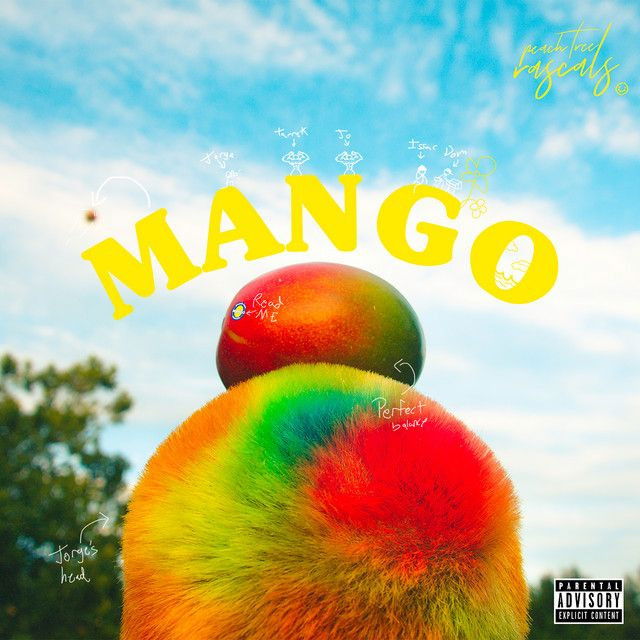
Why “Mango” by Peach Tree Rascals Feels Free
Peach Tree Rascals built their name on a loose, melodic blend of hip-hop, indie pop, and bedroom-soul textures. In that setting, the meaning of Mango Peach Tree Rascals comes into focus fast: it is a song about pressure, ambition, and choosing joy before success is guaranteed.
"Mango" - Peach Tree Rascals
Half the time I pass the time just getting up and out the way
Used to ditch school, do some music, get my penny board and skate
Loading lyrics...
Unable to load lyrics
We're unable to display the lyrics at this time. Please try again later.
The group has been identified as a Bay Area collective in coverage from outlets like PAPER and Genius. That background matters because “Mango” sounds like a song made by friends who are still dreaming in public, not stars looking back from a distance.
The Heart of the Song: Burdens, Then Lift-Off
At the start, they frame everyday strain in plain terms. When the singer mentions burdens on my shoulders
, the image is simple but heavy. They are not talking about one dramatic crisis. They are talking about the kind of pressure that sits on a person day after day.
Then the verse adds motion. They remember skipping school, skating, and making music. Those details matter because they show a younger version of ambition: messy, improvised, and not yet polished. Even the line about Grammys works two ways. It jokes about fame, but it also hints at literal weight, as if dreams already feel physically hard to carry.
Interpretation: the song is not just about wanting success. It is about learning how to keep moving while stress, money, and doubt all stay in the room.
Watch the official Mango
music video
A Chorus That Turns Survival Into Vision
The chorus changes the emotional temperature. Suddenly they are soaring high
under golden skies
, stuck in a reoccurring daydream
. That shift is important. The song does not pretend the burdens disappeared. Instead, it shows how imagination can interrupt hopelessness.
The line about changing one’s life and mind points to agency. They suggest that freedom starts as a mental turn before it becomes an external result. The image of daisies softens the song even more. Flowers are fragile, but they also grow back. That makes them a good symbol for renewal.
Take your lifeAnd change your mindImagine all the daisies
This is the song’s clearest mission statement. They are not offering a detailed plan. They are offering a mood, a direction, and a push toward possibility.
Creative Risk Is Part of the Message
One of the sharpest moments in “Mango” is the verse about money. They talk about emptying a bank account and risking it on a Rhodes keyboard. That image is specific, which gives the song credibility. A Rhodes is not a flashy luxury object in the lyric. It stands for artistic investment.
They are saying that art costs something. Time costs something. Tools cost something. Chasing a sound that feeds the soul may look reckless from the outside, but to the artist it feels necessary.
This is where the meaning of Mango Peach Tree Rascals gets deeper than a simple feel-good anthem. The song says optimism is not cheap. It often comes after sacrifice.
Why the Rhodes Reference Matters
The mention of a Rhodes also supports the song’s warm tone. That instrument is known for soft, glowing electric-piano textures, and “Mango” carries that same breezy warmth in its arrangement. Even without a formal production breakdown from the band, listeners can hear a mellow groove, airy harmonies, and a relaxed pulse that keeps the song floating instead of dragging.
Independence, Identity, and Refusal
There is also a sharper edge in the rap section. The singer asks about building a loyal fan culture and setting trends, then pushes back against outside control. That verse gives the song backbone. It is not all clouds and daisies.
They want success, but on their own terms. The refusal to do what others want suggests a larger theme of independence, especially within music culture, race, and image. The lyrics do not turn that theme into a speech. They keep it quick and casual. Still, the point lands: self-definition is part of freedom.
Interpretation: this section broadens the song from personal mood to collective ambition. It is not just one person trying to feel better. It is a group trying to protect its voice.
Open Water, Self-Authorship, and Letting Go
Later, the song shifts again toward guidance. The image of moving into open waters suggests uncertainty, but also possibility. Then comes one of the track’s strongest ideas: they are the only author of their life.
That metaphor pulls several themes together:
- life as a creative act
- freedom as self-authorship
- growth as unlearning
- peace as a practice, not a prize
When they urge listeners to let worries go, it does not sound naïve. The earlier verses already admitted fear and pressure. Because of that, the encouragement feels earned.
How the Sound Carries the Lyrics
“Mango” works because the production never fights the message. The beat stays light. The vocals feel communal rather than isolated. The repeated “na-na” refrain acts like a release valve, turning complex feelings into something nearly wordless.
That matters because some emotions are bigger than explanation. The song begins in thought, but it ends in feeling. By the final refrain, they are no longer analyzing the burden. They are breathing through it.
Final Take on the Meaning
So, what is the meaning of Mango Peach Tree Rascals? At its core, it is about carrying stress while choosing motion, art, and hope anyway. It turns ambition into something human: not a clean victory story, but a series of risks, daydreams, and small acts of self-belief.
That is why the song still feels easygoing without being shallow. It understands that joy can be a decision made in the middle of uncertainty.
Disclaimer: This interpretation is based on the lyrics, available song context, and musical elements. As with any song, meaning can vary from listener to listener.









