Why 'Wishlist' Is Pearl Jam at Their Most Tender
Pearl Jam are often linked to heaviness, intensity, and moral urgency. That is why the meaning of Wishlist Pearl Jam stands out so sharply. Instead of anger or protest, this 1998 single turns inward. It sounds simple on first listen, but its emotional core is rich: they present a speaker who keeps imagining different forms they could take in order to be useful, beautiful, trusted, and close to someone they love.
"Wishlist" - Pearl Jam
I wish I was a sacrifice but somehow still lived on
I wish I was a sentimental ornament you hung on
Loading lyrics...
Unable to load lyrics
We're unable to display the lyrics at this time. Please try again later.
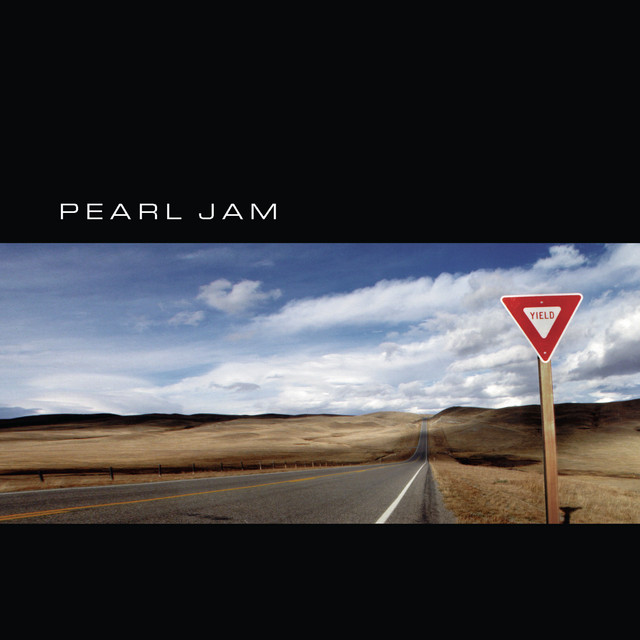
Released as the second single from Yield on May 5, 1998, and written by Eddie Vedder, the song became a notable hit, reaching No. 6 on both two major U.S. rock charts, according to Wikipedia. That success makes sense. “Wishlist” is accessible, but it does not feel shallow. Its plain language hides a moving idea about longing and self-worth.
A Love Song Built From Impossible Wishes
At the most basic level, the song is about desire. The speaker does not just want love; they want to become things that matter to another person. Each wish imagines a new identity: a force, an object, a symbol, even a word. The repeated structure shows a restless mind trying on different ways to matter.
Some wishes are grand and explosive, like neutron bomb
. Others are small and intimate, like house key
or pedal brake
. That range is the point. The song says love is not only about dramatic feeling. It is also about everyday usefulness, dependability, and being woven into another person’s life.
Interpretation: They suggest that the speaker feels a little inadequate as they are. By wishing to become objects or symbols, they reveal a fear that being a normal human self may not be enough. Yet the song does not sink into self-pity. It keeps moving with curiosity and warmth.

Watch the official Wishlist
music video
The Big Turn Hides in One Humble Line
The song’s emotional center arrives when the speaker admits they wish they were as lucky as they already are. In other words, after all the fantasies, they suddenly notice the truth in front of them. They are already blessed, even if they struggle to feel it.
That turn changes everything before it. The earlier images can sound like insecurity, but this moment reframes them as part of a human habit: people can overlook what they have while dreaming about what they lack. Vedder reportedly said of the song, I thought I'd lighten up
, a brief comment quoted in both research summaries. That matters. Pearl Jam did not frame “Wishlist” as a grim confession. They treated it as a gentler, more open-hearted piece.
How the Images Connect to the Theme
The song’s images may seem random at first, but they build a clear emotional map. Several wishes focus on admiration. The speaker wants to be something seen and cherished, like an ornament or a radio favorite. That desire points to recognition: they want to be chosen, noticed, turned toward.
Other wishes focus on trust and support. The line about the brake suggests reliability under pressure. The line about being the verb to trust
pushes that idea even further. Instead of just wanting affection, the speaker wants to become the very idea of safety.
One of the sweetest images points toward romance and memory:
full moon
shining off a Camaro's hood
That picture is cinematic but personal. Research notes that the Camaro referred to a car owned by Vedder’s then-wife Beth Liebling. Even without knowing that detail, the image feels private and affectionate. With the context, it feels even more grounded in real life.
Stream of Consciousness, Carefully Shaped
A key fact behind the song helps explain why it feels both loose and precise. Vedder said it began as a stream-of-consciousness exercise in a small studio jam and was originally much longer before he chose the best lines. That origin story, summarized by Songfacts, explains the song’s design.
The wishes feel spontaneous because they were born from improvisation. But the final version feels emotionally balanced because the strongest images were kept. That process mirrors the song’s meaning. Real longing often arrives in messy bursts, but art gives those feelings shape.
Why the Sound Matters as Much as the Words
“Wishlist” works because Pearl Jam do not oversell it. The arrangement is calm, mid-tempo, and melodic. Brendan O’Brien and the band produce the track with restraint, leaving space around Vedder’s vocal. That space makes each image land clearly.
The instrumentation also softens the repeated wishing. Instead of sounding desperate, the song sounds reflective. Vedder’s vocal is warm and conversational, which keeps the song close to ordinary speech. The reported use of an EBow on the guitar solo adds a sustained, glowing texture. That sound matches the lyric’s dreamlike drift between objects, symbols, and hopes.
Critic Rob Sheffield called it a brief “silly love song” and also one of Pearl Jam’s most moving. That judgment feels right. Its lightness is not a flaw. The softness is what lets the song carry vulnerability without becoming melodramatic.
Alternate Readings Worth Considering
There is a strong romantic reading of the song, and it is probably the main one. Still, other interpretations also fit the text.
A song about fame and usefulness
Some wishes suggest public significance, not just private love. The speaker wants to be proof, a message, a song turned up loud. Interpretation: they may be wrestling with what it means to matter in a culture that rewards attention but not always connection.
A song about gratitude fighting insecurity
The final turn toward fortune suggests an inner battle. Interpretation: the song may be less about winning someone over and more about learning to value one’s own life before it slips by unnoticed.
Why 'Wishlist' Still Connects
The meaning of Wishlist Pearl Jam lasts because almost everyone knows this feeling. People imagine being cooler, stronger, more useful, or more loved. This song catches that impulse without mocking it. Then it gently reminds them that longing and gratitude can live in the same heart.
That is why “Wishlist” remains one of Pearl Jam’s warmest songs. It turns insecurity into tenderness, and fantasy into appreciation.
Disclaimer: This article offers interpretation based on the lyrics, recording context, and public comments. Like most songs, “Wishlist” can support more than one valid reading.








