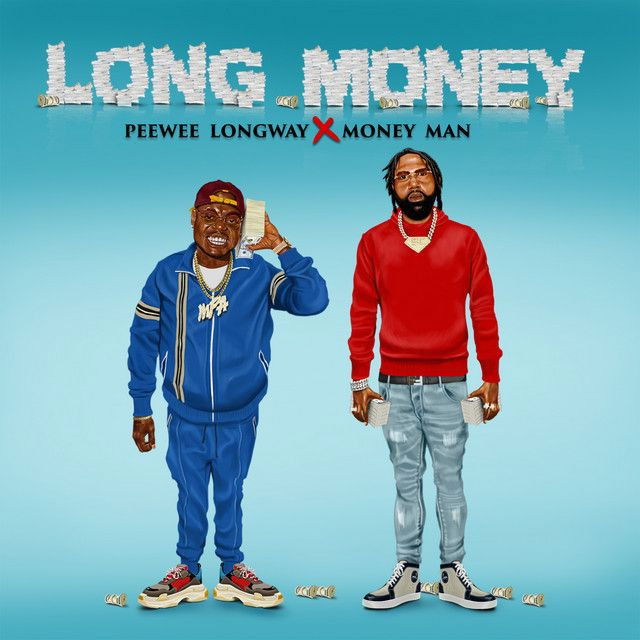
Why 'OOOWWWEEE' Is Pure Flex Rap
The meaning of OOOWWWEEE Peewee Longway, Money Man starts with a very simple idea: they turn money, desire, and street status into a reaction. The title phrase is less a sentence than a sound of shock. In this song, that reaction comes from seeing stacks of cash, luxury cars, expensive jewelry, and sexual attention all at once.
"OOOWWWEEE" - Peewee Longway, Money Man
(Ayy, where you get that beat from?)
Bands that make ooh-wee, ooh-wee
Loading lyrics...
Unable to load lyrics
We're unable to display the lyrics at this time. Please try again later.
Rather than telling a deep story with twists, they build a mood. The record works like a fast collage of flexes. Each line adds another image of wealth, motion, or appetite, so the song feels nonstop and excessive by design.
The Hook Turns Wealth Into a Sound
The chorus gives the song its center. When they repeat bands that make ooh-wee
, they are not just talking about cash. They are describing money as something so large and visible that it makes people react out loud.
That matters because the hook is also the song's philosophy. Success is measured by effect. If the money makes people stare, envy, desire, or talk, then the flex is working.
These them bands that make ooh-weeIn context, that line turns cash into a public event.
Interpretation: the refrain suggests that value in this world is social, not private. The point is not only having money. The point is making others feel it.
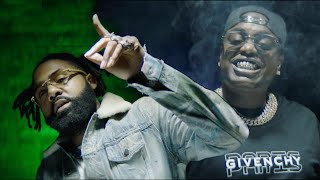
Watch the official OOOWWWEEE
music video
Two Rappers, One Message
Peewee Longway and Money Man both come from Atlanta rap, and both are known for street-centered lyrics and business-minded swagger. Longway has long been tied to trap's eccentric, animated style, while Money Man often leans into calm, detail-heavy bars about hustling and profit. That background helps explain why the song sounds so focused on inventory, movement, and margins rather than emotion-heavy confession.
The writing credits provided for the song list Tysen Jay Bolding and Quincy Lamont Williams. In practical terms, the verses match the public styles both rappers have built over time: direct, material, and built around proof of status.
What the Verses Are Really Doing
The verses move through three linked ideas:
-
Money as proof of power
They keep returning to racks, bankrolls, and profitable deals. Even when the details are blunt, the point is steady: they want listeners to see financial control. -
Sex as another kind of validation
Much of the song uses explicit language to show attraction and conquest. The women in the lyrics often react to fame, cash, or physical presence. That connects desire to status. -
The trap as origin story
They repeatedly frame hustling as something natural and inherited. When one of them saysit's in my genes
, the line presents drug dealing not just as a job, but as identity.
That third point is important. The song is not only celebrating the result—cars and jewelry—but also the system that produced those rewards. In their telling, street skill leads to financial elevation.
Fast Images, Not a Plot
There is no single story arc in "OOOWWWEEE." Instead, they jump from image to image: a sports car, then another luxury car, then a stack of cash, then a sexual boast, then a trap reference. That is why the song feels kinetic.
Phrases like jump out the Demon
and hop in the Ghost
are not random name-drops. They show constant upgrade and motion. Even standing still would feel wrong in a song like this. Movement equals success.
Another quick line, if it ain't 'bout a check
, sums up their values. Time is money, attention is money, and even conversation needs a financial purpose. That mindset makes the song feel hard and transactional.
How the Sound Supports the Meaning
The beat tag mentions Mooktoven and Cassius, and the production fits modern trap habits: heavy low end, crisp drums, and enough empty space for ad-libs to hit. That space matters because the song depends on reaction sounds, repeated phrases, and memorable bursts more than dense storytelling.
The instrumental feels expensive but skeletal. That gives the rappers room to sound loose and commanding. Their performances land somewhere between talking and boasting, which helps the song feel casual even when the claims are huge.
Interpretation: this stripped trap production mirrors the song's worldview. It removes distraction and leaves only essentials: money, bodies, product, and status.
The Main Themes Beneath the Flexing
Status as performance
They present wealth as theater. Jewelry shines, cars switch, cash stacks pile up, and every image is meant to be seen. A line like my bitch on me like jewelry
blends romance and accessory, showing how people can become part of the display.
Hustle as identity
The song treats selling and earning as instinct, not a phase. That helps explain the repeated return to trapping language. In this world, survival skills become brand identity.
Pleasure without attachment
The sexual content is graphic, but emotionally it stays detached. Most encounters are shown as quick proof of appeal rather than intimacy. That distance matches the song's larger focus on consumption.
A Useful Way to Read the Song
Listeners do not need to treat "OOOWWWEEE" as autobiography to understand it. It works better as persona rap: exaggerated, stylized, and built for energy. The goal is not confession. The goal is to create a world where success is loud, immediate, and impossible to ignore.
That is why the title matters so much. "Ooh-wee" is the sound of being impressed, tempted, or overwhelmed. The whole song is engineered to force that reaction.
Final Take on 'OOOWWWEEE'
The meaning of OOOWWWEEE Peewee Longway, Money Man is about turning material success into spectacle. Through trap imagery, explicit bravado, and a hook built around reaction, they present a world where money proves worth and visibility confirms power.
For some listeners, that will sound empty. For others, it is the point: the song is not asking for sympathy or moral approval. It is selling a rush.
Disclaimer: This article offers an interpretation of the song based on the lyrics, artist context, and production style. Meaning can vary from listener to listener.









