Why Peggy Lee’s ‘Fever’ Still Burns
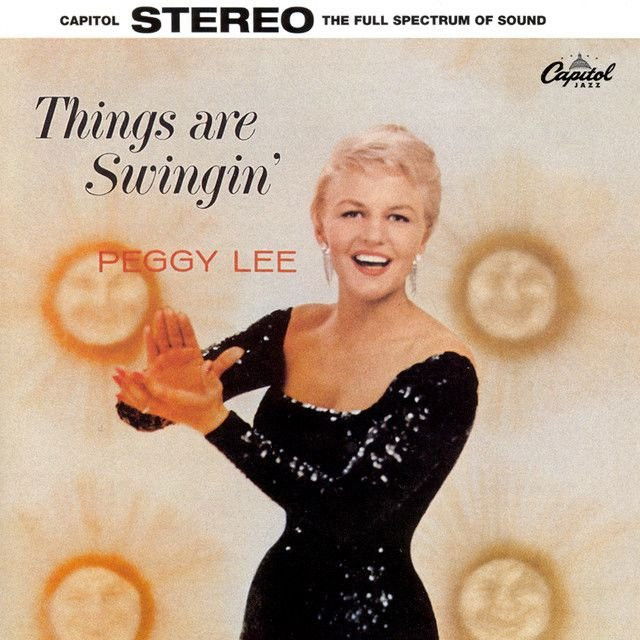
The meaning of Fever Peggy Lee starts with a simple idea: desire feels physical. The song turns attraction into body heat, using “fever” as a playful, stylish way to describe romance, touch, and sexual tension. Peggy Lee did not write the original song alone, but her 1958 version changed how most people hear it. Her performance made it less like standard pop and more like a confident whisper across a dark room.
"Fever" - Peggy Lee
Never know how much I care
When you put your arms around me
Loading lyrics...
Unable to load lyrics
We're unable to display the lyrics at this time. Please try again later.
Written by Eddie Cooley and Otis Blackwell, who used the name John Davenport, “Fever” was first a 1956 hit for Little Willie John. His recording reached No. 1 on the U.S. R&B chart, according to widely cited chart histories. Peggy Lee then recorded her now-classic version in 1958, and it became her signature song, reaching No. 8 on the Billboard Hot 100 and earning three Grammy nominations.
The Heart of the Song: Desire as Heat
At its core, the song says love and lust are hard to hide. The singer explains that ordinary affection becomes overwhelming once the other person gets close. When the lyric uses the phrase you give me fever
, it is not talking about illness. It is using heat as a metaphor for passion.
That metaphor works because it feels immediate and easy to understand. A racing pulse, flushed skin, and restlessness all resemble a fever. So the song makes desire sound natural, almost automatic. The singer is not confused by these feelings. They welcome them.
That is why the ending lands so well. The famous phrase what a lovely way to burn
reframes passion as pleasure, not danger. The song knows desire can consume someone, but it treats that surrender as thrilling.

Watch the official Fever
music video
How the Verses Build the Message
The opening lines present intimacy as something revealed through touch. The singer suggests that words are not enough; real feeling shows up physically. A hug or kiss says more than a speech. That is why short phrases like when you kiss me
and hold me tight
carry so much weight. They are small actions, but the song treats them as sparks.
The second verse expands that spark into a whole daily cycle. By mentioning morning and night, the lyric suggests this attraction is not a passing mood. It is constant. The beloved’s voice and attention can make the singer “light up,” so passion becomes part of the song’s emotional weather.
Then the song widens its frame. Instead of one romance, it claims that everybody’s got the fever
. That move matters. It turns private chemistry into a universal human story.
Peggy Lee’s Key Twist on the Original
A major reason Peggy Lee’s version lasts is that she reshaped the lyric. Research on the song’s history notes that Lee added the historical and literary verses about famous lovers, including Romeo and Juliet and Captain Smith and Pocahontas. Those additions were not part of Little Willie John’s original hit, but they became standard in many later versions.
Those verses do two things. First, they add humor. The old-fashioned language around Romeo and Juliet makes the song wink at its own seductiveness. Second, they suggest desire is timeless. Passion did not begin with the singer in this room; it stretches across myth, history, and pop culture.
Romeo loved Juliet
Juliet she felt the same
Even in that brief example, the point is clear: the song presents “fever” as an old human condition. Interpretation: Lee’s additions make desire seem both personal and eternal, which helps the song feel bigger than a single flirtation.
Why the Sound Is So Important
The arrangement is one of the smartest in pop history. Peggy Lee’s 1958 recording is famously sparse, built around upright bass, light percussion, and finger snaps, with Lee and arranger Jack Marshall stripping the song down to essentials. That minimal setup leaves space around the voice, which increases the sense of intimacy.
Instead of a big orchestra pushing emotion, the recording lets silence do part of the work. Each snap feels like a pulse. The bass line walks with cool control, while the drums barely disturb the air. Lee never has to oversing. She sounds calm, amused, and fully aware of the effect she is having.
Critics often describe the performance as “sultry” or “slinky,” and those words fit because the production never rushes. It simmers. That is the real genius of the track: the music performs the same “heat” the lyric describes.
Confidence, Gender, and Play
Part of the meaning of Fever Peggy Lee also lies in attitude. The singer is not passive. They are openly responsive to desire, but they are also in control of the scene. Lee’s delivery sounds teasing rather than needy, which gives the song unusual power.
There is one lyric in the final verse that sounds dated today, especially in how it talks about women. That reflects the era more than timeless truth. Still, Lee’s performance often rises above that line because she sings from a place of command. The result is less about serving romance and more about mastering it.
Interpretation: many listeners hear the song as a statement of female sexual confidence. The evidence is not only in the words, but in the cool, self-possessed delivery.
Why This Version Became the Standard
Many artists have covered “Fever,” from Elvis Presley to Madonna and Beyoncé. But Peggy Lee’s version remains the one most listeners think of first. That is partly because it was commercially successful, but mostly because it found the perfect balance of elegance, humor, and sensuality.
It also helped define Lee’s public image. Her performance made adult desire sound sophisticated instead of scandalous. The song is sexy, but never messy. It is bold, but never loud.
Final Take
So what is “Fever” really about? It is about the moment attraction moves from feeling to body, and about how thrilling that loss of cool can be. Peggy Lee’s version endures because it turns a simple metaphor into a complete atmosphere.
Readers should note that song meaning is always part fact and part interpretation. This reading is based on the lyrics, the recording, and documented history around the song, but individual listeners may hear it differently.









