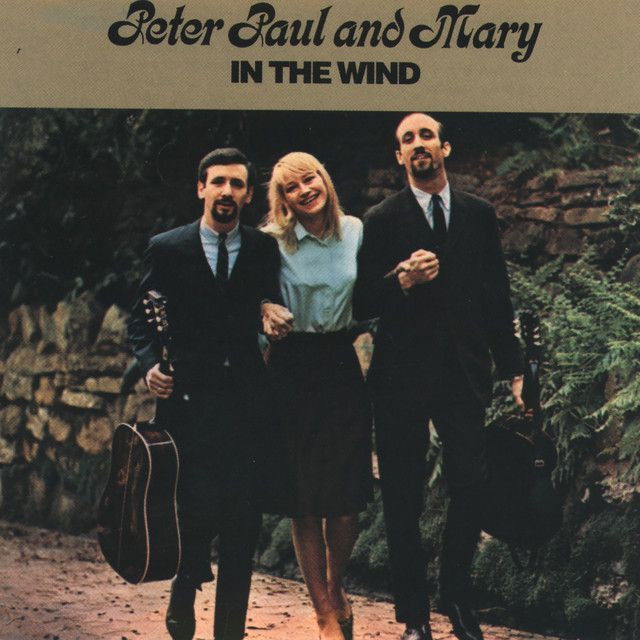
How Peter, Paul and Mary Carried a Protest Classic
The meaning of Blowin' in the Wind Peter, Paul and Mary starts with a simple idea: the song asks questions that society already knows how to answer, but too often avoids. In their 1963 recording, the trio turned Bob Dylan's writing into something both gentle and urgent. They did not shout. They asked listeners to sit with hard truths about war, freedom, and human empathy.
"Blowin' in the Wind" - Peter, Paul and Mary
Before they call him a man?
How many seas must a white dove sail
Loading lyrics...
Unable to load lyrics
We're unable to display the lyrics at this time. Please try again later.
A Song Built on Questions, Not Speeches
At its core, this song is about moral failure. Each verse piles up questions about dignity, peace, and suffering. When the lyric asks how many roads
, it is really asking how long a person must struggle before being fully recognized as human.
That pattern continues with images of war and suffering. The line about cannon balls fly
points to a world where violence keeps repeating even when its cost is obvious. The song never names one conflict or one political leader, which is part of why it has lasted.
Interpretation: the song's power comes from refusing easy slogans. Instead of telling people what to think, it makes them hear their own silence.

Watch the official Blowin' in the Wind
music video
Why Peter, Paul and Mary Matter So Much
Bob Dylan wrote the song in 1962 and first released it on The Freewheelin' Bob Dylan in 1963, according to Britannica and Bob Dylan's official site. But Peter, Paul and Mary's version, released in 1963, became the major pop hit that carried it into American homes. Their recording reached No. 2 on the Billboard chart, as documented by Billboard.
That success matters to the song's meaning. Their clean harmonies made a protest song sound open rather than threatening. For many listeners, the trio acted as translators between the folk revival and the mainstream.
The Sound Softens the Message Without Weakening It
Their arrangement is sparse: acoustic guitars, steady tempo, blended voices, and very little studio flash. That simplicity puts the spotlight on the questions. It also creates a communal feeling, as if the song belongs to everyone in the room.
When all three voices join on blowin' in the wind
, the refrain does not sound cynical. It sounds patient and sorrowful. They make uncertainty feel shared, not lonely.
The Central Themes Hidden in Plain Sight
The song circles three big themes.
- Human dignity — The lyric wonders how long people must wait to be seen and treated fairly.
- Peace — The repeated references to war ask why violence is accepted as normal.
- Willful blindness — The song suggests that many people already know the truth but choose not to act.
The sharpest example may be the idea that someone can turn his head
and pretend not to notice pain. That is not just ignorance. It is avoidance.
Interpretation: this is why the song became closely linked to the civil rights movement and anti-war feeling, even though the words remain broad. Its questions fit many moments when Americans have had to ask what justice requires.
Decoding the Famous Refrain
The chorus is one of the most quoted in popular music, but it is often misunderstood. Saying the answer is blowin' in the wind
does not mean there is no answer. It suggests the answer is present, moving all around, hard to hold but impossible to completely miss.
That image does two things at once. First, it makes truth seem available to anyone willing to listen. Second, it shows how easily truth can slip past people who want certainty without responsibility.
The answer, my friend
is blowin' in the wind
In plain terms, the refrain tells listeners that justice is not a secret. The real problem is human reluctance.
Images of Nature and Time
The song uses mountains, seas, sky, wind, and doves. These are not random folk images. They widen the song's scale. Human cruelty is set against nature's long timelines, which makes injustice seem both stubborn and shameful.
The dove suggests peace, while mountains and seas suggest deep time. Against those huge images, the repeated human failures in the lyric look small-minded and temporary. Yet they still cause real suffering.
This balance is part of the song's craft. It sounds simple enough for a child to follow, but its symbols carry moral weight.
Why the Song Still Connects Today
The meaning of Blowin' in the Wind Peter, Paul and Mary still resonates because the questions remain current. Listeners can connect it to racism, war, refugee crises, or any moment when people know better but act too slowly.
Peter, Paul and Mary's version especially endures because of its tone. They sound calm, but not detached. They sound hopeful, but not naive. That balance lets the song travel across generations.
Final Take
Their recording presents protest as conscience rather than confrontation. It asks whether people can hear pain, face reality, and choose decency before more damage is done.
That is why the song remains powerful: its questions are old, but they never stop being urgent.
Disclaimer: This interpretation blends widely accepted historical context with critical reading of the lyrics. Meaning in music can remain open to personal understanding.








