Where Do You Go to (My Lovely) by Peter Sarstedt
The meaning of Where Do You Go to (My Lovely) Peter Sarstedt starts with a simple question: what is left when glamour ends for the night? Peter Sarstedt’s 1969 hit became an international success, reaching No. 1 in the UK, and it remains his signature song according to major chart archives and reference sources like Official Charts and AllMusic. Its charm comes from how it sounds worldly and elegant while carrying a much sadder emotional core.
"Where Do You Go To (My Lovely)" - Peter Sarstedt
And you dance like Zizi Jeanmaire
Your clothes are all made by Balmain
Loading lyrics...
Unable to load lyrics
We're unable to display the lyrics at this time. Please try again later.
Beneath the Jet-Set Shine
On the surface, the song sketches a woman surrounded by wealth, fashion, travel, and famous friends. The verses pile up signs of status: designers, luxury resorts, expensive drinks, and elite social circles. But Sarstedt is not just admiring her lifestyle. They use all of those details to ask what kind of person she has had to become in order to survive that world.
That is why the chorus matters so much. After all the glamorous description, the song turns inward with alone in your bed
and asks what thoughts remain in private. The public image is dazzling, but the private self may still be haunted.
Interpretation: The song is less about romance than about identity. It wonders whether success can ever fully erase class origins, childhood pain, or old loyalties.
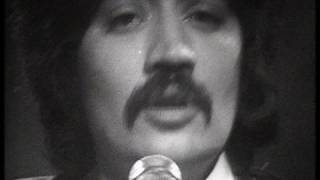
Watch the official Where Do You Go To (My Lovely)
music video
The Narrator’s Position Feels Personal
The song’s emotional power comes from who is speaking. This is not a random outsider gawking at celebrity culture. By the final section, the narrator remembers the back streets of Naples
and describes two poor children trying to escape their circumstances. That memory strongly suggests a shared past.
If that reading is right, the song changes shape. It is no longer just a portrait of a rich woman named Marie-Claire. It becomes a confrontation between past and present, between someone who remembers where she came from and someone who has rebuilt herself so completely that her old life is almost buried.
The line about look inside your head
is important here. It sounds intimate, almost intrusive. The narrator believes they understand her better than the people around her now do.
How the Story Unfolds Verse by Verse
Sarstedt structures the lyric like a slow reveal:
- First, they present a glamorous social portrait, filled with cultural references and upper-class symbols.
- Then, the chorus interrupts that portrait with emotional curiosity.
- The middle verses widen the gap between image and reality by showing how polished and famous she has become.
- Finally, the Naples memory reframes everything as a story about reinvention and hidden scars.
That final turn is the song’s key. The woman is not simply shallow. She is someone who escaped poverty and built a new life, but the cost may be a painful split between who she was and who she performs now.
Why the Chorus Hits So Hard
The repeated question Where do you go to
is not really about a physical place. It points to an inner retreat: memory, regret, fear, or longing. The chorus asks where her mind goes when the parties, resorts, and admirers disappear.
A brief lyric passage captures that shift from outer life to inner life:
Tell me the thoughts that surround you
I want to look inside your head
Those lines turn the song into an emotional investigation. The narrator is not impressed by social theater alone. They want the truth underneath it.
Symbols of Class, Performance, and Distance
Many of the song’s details work like symbols rather than mere name-dropping. The references to designers, celebrities, and luxury travel show a life built on performance. Every object signals taste, status, and belonging.
Even small images do a lot of work. When Sarstedt notes you never get your lips wet
, the point seems to be restraint. She can afford every pleasure, yet she does not fully relax into any of it. The image suggests control, caution, and perhaps emotional numbness.
Another key symbol is the hidden wound at the end: you still bear the scar
. That phrase makes the song’s argument plain. The past has not vanished. It lives under the surface, even if no one in her current circle sees it.
How the Music Softens the Blow
Part of what makes the song memorable is its contrast between content and sound. Musically, it sits in the singer-songwriter tradition, with a gentle, melodic arrangement that feels cosmopolitan rather than harsh. Reference discographies such as Discogs and AllMusic describe the recording within late-1960s pop and singer-songwriter styles.
That polished sound matters. A more biting arrangement could have made the song feel satirical or cruel. Instead, the soft vocal delivery and elegant phrasing create sympathy. They make the portrait feel wistful, as if the narrator is mourning what fame and class mobility have changed.
Two Strong Ways to Read It
Interpretation 1: The song is about a specific woman who rose from poverty into high society, and the narrator is someone from her past who still knows her real self.
Interpretation 2: The woman is also a symbol. She represents anyone who has remade themselves so successfully that they become trapped inside the role. In that reading, the song is about class aspiration itself and the loneliness it can produce.
Both readings fit the lyric. That ambiguity is one reason the song has lasted.
Why the Song Still Connects
For U.S. listeners today, the setting may feel distinctly European, but the emotional question is universal. Many people understand the pressure to seem successful, polished, and untouched by the past. Sarstedt’s song endures because it asks whether that performance ever truly works.
In the end, the meaning of Where Do You Go to (My Lovely) Peter Sarstedt is about the private self that survives behind public glamour. Its luxury details make the song vivid, but its real subject is memory, class, and the cost of becoming someone new.
Disclaimer: This interpretation separates documented facts from informed reading of the lyrics. Like many narrative songs, its meaning remains open to listener interpretation.







