Why 'You're Not Shaken' Hits So Deep
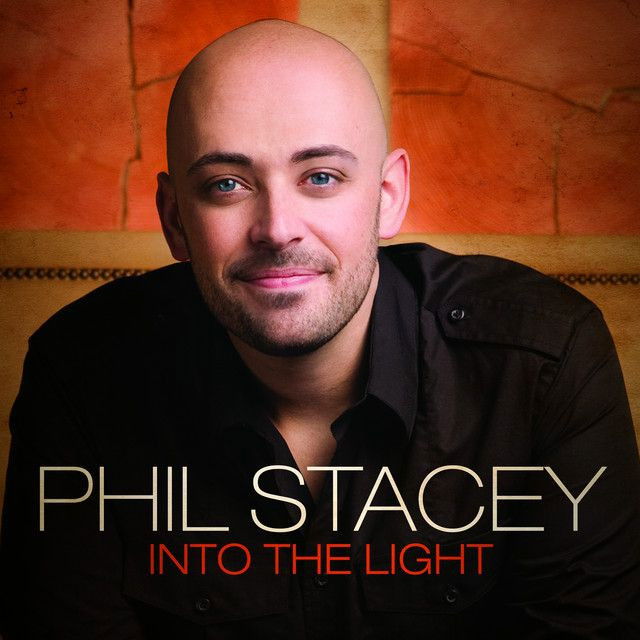
The meaning of You're Not Shaken Phil Stacey comes into focus fast: this is a song about spiritual panic meeting divine steadiness. It starts in fear, almost in free fall, and then moves toward trust. That shift is why the song still lands with listeners who know what it feels like to pray through confusion instead of certainty.
"You're Not Shaken" - Phil Stacey
I am drowning
Will I ever, rise to breathe again
Loading lyrics...
Unable to load lyrics
We're unable to display the lyrics at this time. Please try again later.
Phil Stacey, known to many listeners from his run on American Idol, built much of his career in the Christian and country-pop space. That context matters. They sing this song not as a detached observer, but as someone stepping into a familiar faith language of suffering, surrender, and endurance.
A Faith Song That Refuses Easy Answers
What makes this track work is that it does not pretend pain is simple. The speaker feels overwhelmed, using images of flood, darkness, and collapse to show a crisis that is emotional and spiritual at the same time. When they ask why this suffering happened, the song does not rush to explain it away.
That honesty is central to the meaning. Early lines like I am drowning
and Will I ever know why?
frame the song as a real struggle, not a polished testimony. The voice inside the lyric sounds shaken, scared, and tired.
Interpretation: The song suggests that mature faith is not the absence of questions. It is the choice to keep holding on when no clear answer arrives.
Watch the official You're Not Shaken
music video
The Core Message Lives in the Chorus
The chorus is where the emotional argument becomes clear. The singer describes dreams slipping away and beliefs feeling unstable, then answers that collapse with one repeated truth: You're not shaken
. In plain terms, the world may feel unstable, but God does not.
That contrast powers the whole song. Human hands cannot hold everything together. Human understanding also has limits. But the chorus says the object of trust remains solid even when the person trusting is not.
This is why the title line matters so much. It is not bragging about personal strength. It redirects attention away from the singer's weakness and toward God's consistency.
How the Verses Build That Tension
The first verse uses raging-water imagery to show loss of control. A river is not just a scenic detail here; it is a force. The speaker is being carried by something bigger than their own will.
The second verse turns from outward danger to inward fear. The darkness is tied to unanswered questions, and the plea for help becomes more intimate. A short phrase like grip me while I'm here
sounds less like theology class and more like survival prayer.
Then the bridge reaches for one of the Bible's most familiar comfort images:
the valley
shadow of death
That moment echoes Psalm 23 without needing to quote the whole passage. It places the song inside a long religious tradition: believers walking through danger while trusting they are not abandoned.
Symbols That Carry the Meaning
Several images repeat the same emotional truth from different angles:
- Water suggests chaos and helplessness.
- Sand and slipping hands suggest fragile plans and failed certainty.
- Darkness points to fear and limited understanding.
- The valley suggests suffering that must be walked through, not skipped.
Together, these symbols show a person losing control in every direction: emotionally, mentally, and spiritually. Yet the song keeps returning to presence. The reassurance is not that the river stops or the valley vanishes. It is that God stays near.
That makes the song less about rescue on demand and more about companionship in hardship.
How the Sound Supports the Lyrics
Even without diving into studio sheets, the style points to contemporary Christian pop of the late 2000s: strong piano or guitar foundations, a rising chorus, and vocals designed to move from confession to declaration. Stacey's delivery is a big part of the song's effect. They sing the verses with strain and vulnerability, then widen the sound in the chorus so the reassurance feels earned.
Interpretation: The production likely aims to mirror the song's message arc. Softer, tense verses create a sense of isolation, while fuller chorus dynamics make the title line feel like a stable place to stand.
This kind of arrangement is common in faith-based radio songs because it helps listeners move emotionally with the lyric. The music does not just decorate the words; it reinforces the journey from fear to trust.
A Useful Way to Read the Song
One reading is plainly devotional: the singer is talking to God during a crisis and deciding to trust God's plan even without explanations. That is the most direct reading, especially with phrases like lift up my eyes
and the Psalm-like bridge.
A second reading is broader. Even listeners who do not share the same beliefs may hear the song as an anthem for stability during grief, illness, career collapse, or family pain. In that reading, the repeated title becomes a statement about finding one fixed point when everything else feels unstable.
Both readings work because the song names a universal feeling: life can come apart faster than expected.
Why It Still Connects
The meaning of You're Not Shaken Phil Stacey lasts because the song does not confuse faith with emotional numbness. It lets the speaker be afraid. It lets them question. Then it places reassurance not in explanations, but in presence.
For many listeners, that is the song's deepest comfort. It does not promise that every loss will make sense. It promises that fear is not the final voice.
Disclaimer: This interpretation is based on the released lyrics, performance context, and common themes in Christian music. As with any song, listeners may hear personal meanings that differ from this reading.








