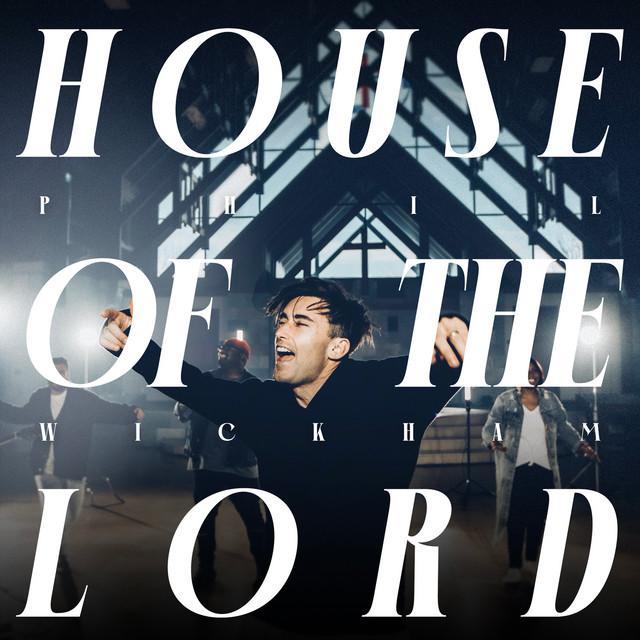
Why 'House Of The Lord' Feels So Joyful
The meaning of House Of The Lord Phil Wickham starts with a simple idea: joy is deeper than happiness. This song does not pretend life is always easy. Instead, it argues that worship can rise from identity, memory, and hope.
"House Of The Lord" - Phil Wickham
We worship the God who is
We worship the God who evermore will be
Loading lyrics...
Unable to load lyrics
We're unable to display the lyrics at this time. Please try again later.
Released on April 2, 2021, as a single from Hymn of Heaven, the track was co-written by Phil Wickham and Jonathan Smith, with Smith producing it. It later became Wickham’s first No. 1 on Billboard’s Hot Christian Songs chart, a sign that its message reached far beyond one church setting (Wikipedia).
More Than a Church Song
On the surface, the song is a bright worship anthem about gathering together. The chorus repeats the idea of joy in the house
, framing worship as loud, open, and shared. But the deeper point is not just that church should feel happy.
Wickham explained that he wrote it during the pandemic, when many Christians could not meet in church buildings. He said the “house of the Lord” is not only made by human hands, but also found among believers themselves (Songfacts). That context changes the song’s meaning. It becomes a statement that God’s presence is not limited to a room or stage.
Interpretation: This makes the song both communal and portable. It works in a packed sanctuary, but it also speaks to private faith, family worship, or seasons of isolation.

Watch the official House Of The Lord
music video
The Song’s Three-Part Message
Wickham has said the song moves through three ideas: who God is, what God has done, and who believers are because of that (Songfacts). That structure helps explain why the lyrics feel so direct.
First: God’s power across time
The opening lines describe God as past, present, and future. Then the song points to biblical acts of rescue, using images like prison doors opening and the sea being divided. Those references connect personal worship to the wider story of Scripture.
In other words, the joy here is not random emotion. It is built on a God who has acted before and can act again.
Second: God’s saving work
The next verse turns toward healing, salvation, the cross, and resurrection. A short phrase like rolling stones away
suggests that death, fear, and impossibility do not get the final word.
This matters because the song’s joy is not shallow celebration. It comes after suffering, sacrifice, and deliverance.
Why the Chorus Hits So Hard
The chorus is catchy because it is simple, but its simplicity is strategic. When the song says we won’t be quiet
, it turns joy into action. Worship is not just a feeling inside; it becomes something public and audible.
That line also pushes against silence, shame, and passivity. If God is present and active, the response is praise. The repeated use of “we” keeps the focus on a group, not a solo voice. Even if one person feels weak, the crowd can carry the confession.
Interpretation: The chorus works like a reset button. After each verse recalls God’s power or grace, the song returns to a communal answer: praise together, right now.
The Bridge Turns Doctrine Into Identity
The emotional center of the song may be the bridge. Here, the lyrics shift from statements about God to statements about people transformed by grace. Short phrases such as now we’re royalty
and running free
summarize that change.
This is where the meaning of House Of The Lord Phil Wickham becomes especially clear. Joy is not based on perfect circumstances. Wickham said, briefly, that happiness comes and goes, but joy is rooted in identity. That idea sits underneath the whole song (Wikipedia).
We were the beggars
Now we're royalty
We were the prisoners
Now we're running free
That short passage gives the song its strongest contrast: before and after grace. Poverty becomes belonging. Captivity becomes freedom. The “house of the Lord” is joyful because the people in it have been changed.
How the Sound Carries the Message
Musically, the track supports its theme almost perfectly. It is in B-flat major, set in 4/4 time, and moves at 86 beats per minute (Wikipedia). Those details help create a grounded, upbeat feel without making the song rushed.
The production leans into bright rhythm, a punchy backbeat, and a singalong chorus. Jonathan Smith’s style favors clean pop-worship builds, so the song feels accessible rather than heavy. The repeated “oh” sections are important too: they invite participation even if listeners do not know every verse.
That design likely helped the song thrive in churches and on radio. It reached No. 1 on Christian Airplay and Hot Christian Songs, and it was nominated for Song of the Year and Pop/Contemporary Recorded Song of the Year at the 2022 Dove Awards (Wikipedia).
One Song, Two Strong Readings
There are at least two useful ways to read the song:
- Corporate worship reading: It celebrates gathered praise in a church setting.
- Identity reading: It says believers carry God’s presence and can live with joy anywhere.
Both fit the lyrics and the song’s release context. That is part of why it connected so strongly in 2021.
Final Take on Its Lasting Appeal
What makes this song stick is that it offers more than excitement. It gives listeners a reason for joy: God’s character, God’s saving action, and a new identity for those who trust Him. That is why the chorus feels bigger than a catchy hook.
The article’s reading is an interpretation based on the lyrics, artist comments, and release context. Other listeners may hear different spiritual or emotional emphases, and that is part of how songs keep living.







