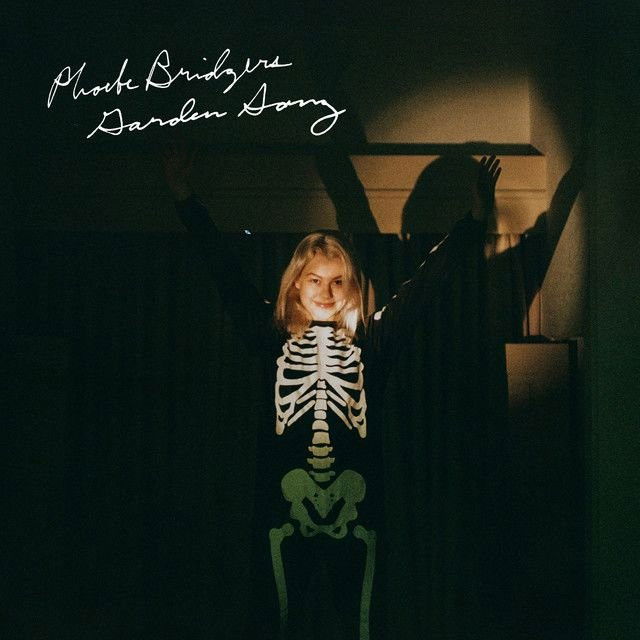
Garden Song by Phoebe Bridgers
The meaning of Garden Song Phoebe Bridgers centers on a quiet but powerful idea: people can grow without fully escaping what shaped them. The song sounds gentle, but its images are strange, uneasy, and deeply personal. It connects childhood memory, adult desire, and fear of the future into one drifting narrative.
"Garden Song" - Phoebe Bridgers
In your house up on the hill
And when your skinhead neighbor goes missing
Loading lyrics...
Unable to load lyrics
We're unable to display the lyrics at this time. Please try again later.
Phoebe Bridgers released "Garden Song" in 2020 as the lead single from Punisher. The song was written by Bridgers, Christian Lee Hutson, and Marshall Vore, and it helped introduce the album's mix of intimacy and dread. Even before the full record arrived, listeners noticed how the track balanced warmth with eerie detail.
A Soft Song About Change That Feels Unsettling
On the surface, the narrator imagines a future life: a house on a hill, a yard, and a garden. That sounds peaceful. But the details around it are off-kilter, from a missing neighbor to memories of a home that "went up in flames."
That contrast matters. The song is not simply about wanting stability. It is about trying to build a future on ground marked by the past.
Interpretation: The garden represents healing, but not clean healing. It grows in haunted soil. That is why one of the song's most important ideas comes near the end, when everything is growing and the listener is told it does not have to be known that it is haunted
.

Watch the official Garden Song
music video
Memory, Childhood, and the Wish to Return
Early in the song, Bridgers places the listener in a remembered neighborhood. The image of a burned home, with only door-frame marks left behind, turns ordinary childhood detail into evidence of loss. Those notches suggest time, family, and growth. They also suggest what survives after destruction.
Another key line is I grew up here
. It grounds the song in place, but it also makes the rest of the lyrics feel unstable. The narrator knows where they came from, yet that certainty does not create peace.
Why the House on the Hill Matters
The opening vision of living in your house up on the hill
sounds like fantasy mixed with intimacy. It may be about longing for partnership, safety, or a version of adulthood that finally feels real.
Interpretation: The house could symbolize emotional arrival. But because the song never settles into that future, it feels more like a wish than an achievement.
Dreams, Screens, and the Fear of Missing Life
The chorus gives the song its emotional center. The narrator imagines growing up and finally looking away from distraction: look up from my phone
and see life as it is. That line is simple, but it carries a modern anxiety many listeners recognize.
The fear is not just being sad. It is being absent from their own life.
Then the song slips into a recurring dream. A movie screen becomes a tidal wave, then a dorm room turns into a maze. Desire appears, then vanishes before it can become real.
The screen turns into a tidal wave
Then it's a dorm room
This is the article's clearest sign that the song works like dream logic, not plot logic. Images transform without warning. The result is a feeling of emotional truth rather than a literal story.
The Song's Growth Imagery Is Hopeful, Not Naive
By the second half, the song starts to shift. The narrator says they are taller, maybe because of something in the water. Later, a doctor says their resentment is shrinking. These are odd, almost funny images, but they point to genuine inner change.
The phrase everything's growing in our garden
brings the song's symbol into full view. Growth is happening everywhere: in the body, in memory, in relationships, and in emotional life.
Still, Bridgers does not make healing sound easy or pure. The song holds onto damage while admitting change is possible. That tension is what makes it moving.
How the Sound Deepens the Meaning
The production is crucial to the meaning of "Garden Song." Bridgers sings in a close, nearly whispered voice, which makes even surreal images feel private. The arrangement stays restrained, with soft acoustic textures and a slow pulse, but it never sounds fully comforting.
That calm surface creates space for unease. Instead of using huge drama, the song lets small details do the work. The music feels like half-sleep: clear enough to follow, blurry enough to feel uncanny.
This fits Punisher as a whole. The album often pairs beauty with dread, letting quiet songs carry heavy emotional weight. "Garden Song" is one of the best examples of that method.
Two Strong Ways to Read the Lyrics
There is more than one valid reading of the song:
- A healing narrative: The speaker is learning to live with trauma, resentment, and old fantasies.
- A coming-of-age narrative: The song tracks the uneasy move from youth into adulthood, where desire and self-knowledge remain incomplete.
Both readings fit because the lyrics keep personal history and future hope tangled together. The final lines are especially striking because they sound confident: hard work matters, wants can be reached, and some dreams have already come true. But the song does not erase its earlier instability. It simply learns to carry it.
Why "Garden Song" Still Resonates
The meaning of Garden Song Phoebe Bridgers lasts because it captures a familiar feeling in a fresh way: the sense that maturity is not a clean break from the past. People grow, but they also drag old dreams, fears, and memories with them.
Bridgers turns that truth into a song that feels both intimate and eerie. It is about becoming someone new while still hearing echoes of who they used to be.
Disclaimer: This interpretation is based on the song's lyrics, sound, and public context. Like many Phoebe Bridgers songs, "Garden Song" remains open to more than one reading.









