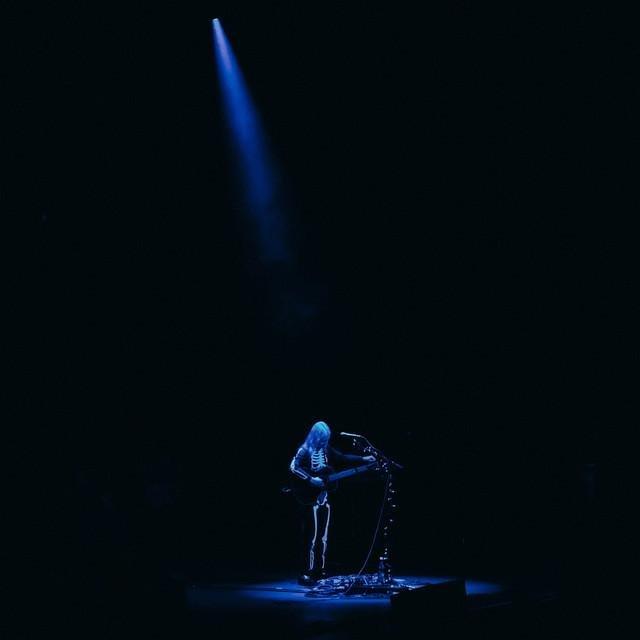
That Funny Feeling by Phoebe Bridgers
Why This Cover Hits So Hard
The meaning of That Funny Feeling Phoebe Bridgers centers on a very modern kind of dread: the sense that daily life has become absurd, overstimulating, and quietly apocalyptic. Phoebe Bridgers did not write the song; Bo Burnham introduced it in his 2021 Netflix special Inside. But their version gives it a different emotional color, one that feels hushed, intimate, and deeply sad rather than sharply comic.
"That Funny Feeling" - Phoebe Bridgers
Stunning 8K resolution meditation app
In honor of the revolution, it's half-off at the Gap
Loading lyrics...
Unable to load lyrics
We're unable to display the lyrics at this time. Please try again later.
Factually, Burnham wrote the song for Inside, and Bridgers later released a cover in 2022, with proceeds benefiting Texas Abortion Funds and coverage noted by outlets like Pitchfork. That context matters. Burnham’s original came from a work about internet culture, isolation, and mental strain during the pandemic. Bridgers, already known for songs that sit close to fear and melancholy, turns the same writing into something that sounds almost like a bedside confession.

Watch the official That Funny Feeling
music video
A Catalog of Chaos, Not a Story
Unlike a song with a clear plot, this one works by piling up images. It jumps from brand names to online habits, from entertainment to violence, from convenience to collapse. The point is not one event. The point is the feeling created by all of them together.
The verses move through details that are funny, ugly, hollow, and frightening at once. A meditation app, a corporate sale, celebrity culture, internet porn, mass violence, and climate unease all live in the same stream. When the song lands on that funny feeling
, it names the emotional result of living inside that stream every day.
Interpretation: The “funny” part is not humor. It is strangeness. It is the moment when a person realizes they are both used to the madness and disturbed by it.
How the Lyrics Build Late-Modern Dread
One reason the song works so well is its contrast between silly details and huge fears. A phrase like the whole world at your fingertips
sounds like a promise of convenience. But right next to it comes the ocean at your door
, which flips that comfort into climate threat.
That pattern repeats all over the song. It places pop culture next to disaster, shopping next to ideology, and entertainment next to death. The effect is disorientation. Nothing is sorted by importance anymore. Everything arrives at the same speed, on the same screens, with the same shallow framing.
Another key line is total disassociation
. The song suggests that numbness is not a side effect; it is part of the condition. Modern life can make people feel detached from their own emotions, even as they are flooded with information.
The Quietest Line Is the Deepest Cut
The song’s most devastating moment is the image of that unapparent summer air
. It describes seasonal confusion in a simple way, but it also hints at climate instability and a world that no longer feels reliable.
Then the song reaches its emotional center with one short, unforgettable phrase:
the quiet comprehending of the ending of it all
Paraphrased, that line captures a calm, almost private recognition that things are deeply wrong. It is not a scream. It is the soft shock of understanding.
What Phoebe Bridgers Adds to the Meaning
Bridgers’ recording changes the song by changing its temperature. Burnham’s original performance in Inside carries dry wit and a knowing stare. Bridgers softens the edges. Their voice sounds tender and tired, which makes the lyrics feel less like social commentary and more like lived emotional truth.
That matters for the meaning of That Funny Feeling Phoebe Bridgers. In their hands, the song becomes less about mocking the age and more about surviving it. They do not perform the lines like punchlines. They let them sit.
The production also helps. The arrangement is spare and gentle, rooted in indie folk. There is no big explosion, no dramatic release. That restraint mirrors the song’s idea: dread does not always arrive loudly. Sometimes it arrives in a calm voice, during a quiet moment, when a person finally admits what they have been trying not to say.
The Chorus as Emotional Diagnosis
Every time the song returns to that funny feeling
, it resets the listener’s understanding of the verse before it. The details are not random jokes. They are symptoms.
Interpretation: The chorus acts like a diagnosis for a culture that feels overstimulated and undernourished at the same time. People are surrounded by content, products, outrage, irony, and crisis, yet still left with a vague but heavy unease they cannot fully explain.
That is why the hook is so effective. It gives a plain phrase to something many people recognize but struggle to name.
The Ending Sounds Gentle, But It Is Not Simple
In the closing lines, the song shifts into language that can sound almost reassuring. But that softness is part of what makes it chilling. The calm tone suggests resignation, not rescue.
Interpretation: Listeners can hear two meanings there. One is fatalism: things are too broken, so people soothe themselves and wait. The other is darker irony: when disaster becomes normal, even the end can be discussed in a strangely casual voice.
Bridgers leans into that ambiguity beautifully. They do not force one reading. They let the discomfort remain.
Why the Song Endures
This song lasts because it captures a shared emotional climate. It is about consumerism, internet overload, violence, climate fear, and dissociation. But more than that, it is about what happens when all those pressures blend into one hard-to-name mood.
That is the lasting meaning of That Funny Feeling Phoebe Bridgers: a portrait of modern overwhelm sung so softly that the listener has to lean in and face it.
Disclaimer: This interpretation is based on the song’s lyrics, performance, and public context. Like any piece of art, it can support more than one valid reading.







