
Waiting Room by Phoebe Bridgers
The meaning of Waiting Room Phoebe Bridgers starts with a simple but intense feeling: wanting someone so badly that common sense almost disappears. The song is built around devotion, fantasy, and the pain of waiting for a love that may never come back in the same way.
"Waiting Room" - Phoebe Bridgers
Take it over and over 'til you noticed me
If you were a waiting room, I would never see a doctor
Loading lyrics...
Unable to load lyrics
We're unable to display the lyrics at this time. Please try again later.
Phoebe Bridgers has said she wrote “Waiting Room” when she was 16, a detail noted by NPR and echoed in later coverage. That matters because the song sounds exactly like teenage longing often feels: absolute, dramatic, sincere, and a little self-destructive.
A Crush So Big It Becomes a World
At its core, the song is about unreturned or uncertain love. The narrator imagines changing their whole life just to be noticed. Early lines use exaggerated scenarios to show how far that desire goes. When they compare the beloved to a classroom or a medical waiting area, the point is not realism. It is emotional scale.
Phrases like fail your class
and sit there with my first aid kit
show someone willing to stay stuck if it means staying close. They are not pursuing healing. They are choosing proximity over relief.
Interpretation: That is the heart of the song. It portrays a crush so consuming that pain starts to feel useful because pain keeps the connection alive.
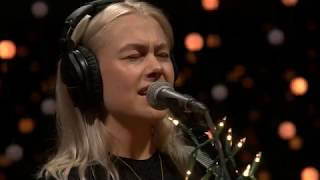
Watch the official Waiting Room
music video
Why the Title Matters More Than It First Seems
A waiting room is a place between injury and treatment. It is where someone sits before help arrives. In this song, that image becomes the perfect symbol for emotional suspension.
The narrator is not moving on, and they are not being rescued either. They are paused. The title suggests a person trapped in anticipation, hoping that love will finally become mutual.
That image also gives the song its emotional logic. Waiting is not just a circumstance here; it becomes an identity. The singer would rather remain in the space of maybe than accept a clear no.
Devotion Mixed With Performance
One of the song’s smartest turns is how desire becomes theatrical. The narrator does not just want to be loved. They want to become the soundtrack, the drama, even the emotional language of the other person.
When Bridgers uses images like the power ballad
and broken love song
, she shows a speaker who wants to be unforgettable. They want to comfort the other person, haunt them, and matter to their sadness as much as their joy.
That is a very young kind of romantic thinking, but Bridgers captures it without mocking it. The feelings are huge, but they are also honest. According to American Songwriter, Bridgers later described the song as deeply sincere and emotionally raw.
The Hardest Line in the Song
About halfway through, the song shifts from yearning to danger. The images grow darker and more bodily. References to wreckage, breath, and a weapon make the emotional stakes feel more alarming.
This is where the song stops sounding like a sweet crush and starts sounding obsessive. The beloved is no longer just inspiring hope. They now seem able to wound, overwhelm, and erase the narrator’s sense of self.
Who am I to ask for more
I know it's for the better
That brief passage captures the central conflict. The narrator knows this attachment is not healthy, yet they keep repeating a line of acceptance as if they are trying to convince themselves.
Interpretation: The repeated refrain is not calm wisdom. It sounds more like self-talk, the kind a person uses when they are trying and failing to let go.
How the Song’s Sound Carries the Meaning
Even without dense production, “Waiting Room” feels emotionally loaded. The performance style associated with Bridgers leans intimate, close-miked, and vulnerable, which suits the song’s confessional writing. A quieter arrangement leaves room for each image to land.
That softness is important. If the music were huge and polished, the lyrics might feel melodramatic. Instead, the stripped-down sound makes them feel private, like thoughts said out loud before they can be edited.
This also fits Bridgers’ larger style, heard later on Stranger in the Alps and beyond: gentle vocals carrying lines that can turn dark without warning. In “Waiting Room,” that contrast between tender sound and extreme feeling is the whole point.
Teenage Perspective, Adult Craft
Knowing Bridgers wrote the song at 16 helps explain why it connects so strongly with listeners. Many people remember a time when love felt total and unbearable. The song preserves that mindset without cleaning it up.
Still, it is more than a diary entry. The metaphors are sharp, and the structure steadily escalates from awkward devotion to emotional crisis. That is why the song has lasted in fan discussion for years, even before its formal 2023 Bandcamp release.
Final Take on the Meaning
The meaning of Waiting Room Phoebe Bridgers is about longing that becomes a form of self-abandonment. It captures the way desire can make a person wait, bleed, perform, and rationalize, all while knowing the outcome may never change.
What makes the song powerful is that it does not flatten those feelings into a lesson. It lets them stay messy, romantic, and painful at once. Interpretation: rather than celebrating obsession, the song reveals how devotion can feel beautiful and dangerous in the same breath.
Disclaimer: This interpretation is based on the lyrics, documented artist comments, and the song’s musical context. As with all art, listeners may hear different meanings in it.









