Why 'La cage aux oiseaux' Still Feels Free
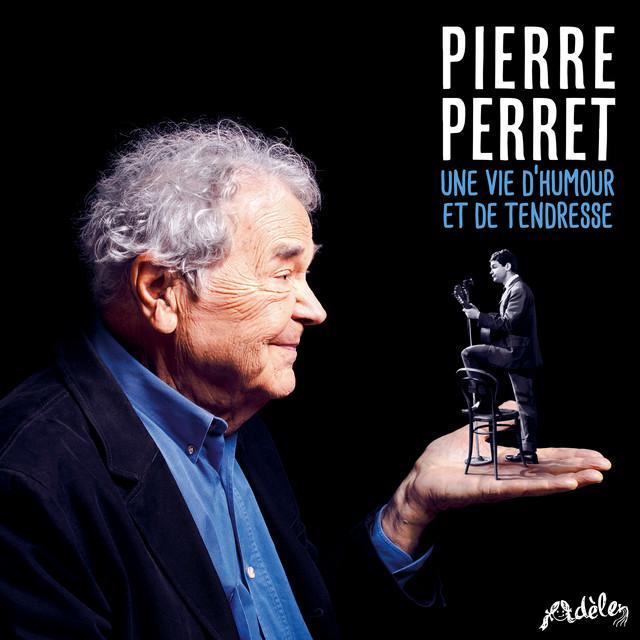
The meaning of La cage aux oiseaux Pierre Perret is both direct and surprisingly rich. On the surface, it is a song about opening birdcages and letting trapped birds fly away. But its lasting power comes from how simply it turns that image into a moral lesson about freedom, kindness, and the way people justify control.
"La cage aux oiseaux" - Pierre Perret
Regardez-les s'envoler, c'est beau
Les enfants si vous voyez
Loading lyrics...
Unable to load lyrics
We're unable to display the lyrics at this time. Please try again later.
Pierre Perret is known in French song for mixing humor, plain speech, and social observation, a reputation reflected in biographical overviews from sources such as the Encyclopaedia Britannica and major French reference pages like Larousse. In this song, they use that familiar style to make a strong point sound playful rather than preachy.
A Children's Song With Adult Teeth
At first listen, the song sounds almost like a tune for kids. The central plea, ouvrez la cage aux oiseaux
, is easy to remember and impossible to misunderstand. The speaker asks listeners—especially children—to open the door and choose liberty over decoration.
That childlike framing matters. By speaking to young people, the song strips away adult excuses. A bird in a cage may be fed and displayed, but it is still confined. The lyric mocks the idea that a little water, a perch, and bright surroundings can make captivity acceptable.
Regardez-les s'envoler, c'est beau
Ouvrez-leur la porte vers la liberté
Those lines present the song's emotional center: real beauty is not possession, but release. The joy comes when the bird flies, not when it sits prettily in a human home.
Watch the official La cage aux oiseaux
music video
What the Verses Are Really Doing
The verses sharpen the message by attacking the mindset behind cages. One section describes the tiny comforts people offer trapped birds, reducing care to a few objects and routines. The point is not that the bird lacks food; it is that survival is not the same as freedom.
The song then gets more satirical. It targets smug owners who think a caged bird puts sunshine in the house
. Perret turns that claim inside out. The house may feel brighter for the owner, but the bird is still sad, reduced to an ornament.
This is where the writing becomes more than a simple animal-rights song. It exposes a selfish habit: people often rename control as care. They call confinement love, convenience beauty, and ownership responsibility.
The Neighbor Scene and Its Humor
One of the funniest verses imagines a neighbor proudly showing off imported birds on a balcony. The singer suggests flattering her, distracting her, and then freeing the birds once her back is turned. The scene is comic, almost mischievous, but the humor has a purpose.
Instead of delivering a heavy moral lecture, the song invites listeners to laugh at the vanity of possession. Exotic birds become status symbols. Their songs are reduced to household charm. By making that behavior look silly, Perret weakens its moral authority.
The phrase quel plumage
works in that spirit. It sounds like admiration, but in context it is part of a playful act that exposes the owner's shallow pride.
How the Chorus Turns Ethics Into Memory
The chorus repeats often because repetition is the whole strategy. A message about freedom becomes stronger when it feels like common sense. Each return to ouvrez, ouvrez
turns the song into something between a singalong and a civic lesson.
Interpretation: the repeated hook may also suggest that freedom is not a one-time ideal. It requires action again and again, wherever people see captivity treated as normal.
That is why the song stays with listeners. It does not bury its point in mystery. It trusts melody and repetition to make compassion memorable.
Sound, Style, and Why the Message Lands
Musically, the song fits the French chanson tradition: clear vocal delivery, strong melodic shape, and a light, accessible arrangement that keeps the words in front. Even without a dense production style, that simplicity is effective. The music sounds open, bright, and social, which mirrors the song's faith in ordinary decency.
That matters for interpretation. A darker arrangement might have made the song bitter or tragic. Instead, Perret's approach gives it warmth. They sound like someone teaching a lesson at the kitchen table, with wit instead of anger.
For American listeners unfamiliar with Perret, that tone can be the key to understanding why the song became memorable. It is not only what they say; it is how gently and confidently they say it.
A Wider Meaning Beyond Birds
The most responsible reading stays with the literal message: birds should not be caged for pleasure. Still, there is room for a broader interpretation.
Interpretation: the birdcage can also stand for any system that limits living beings while pretending to protect them. In that sense, the song speaks to control itself—the habit of locking life up, then calling the arrangement civilized.
Even so, the lyric's strength comes from its concrete image. It does not need abstraction to work. A trapped bird is enough.
Why the Song Endures
The meaning of La cage aux oiseaux Pierre Perret lasts because the song joins three things that rarely stay balanced: moral clarity, humor, and melody. It is easy enough for children to sing, sharp enough for adults to feel judged by, and humane enough to avoid cruelty in its own tone.
Its final idea is simple: if people love beauty, they should not imprison it. They should let it move.
Disclaimer: This interpretation distinguishes between direct lyrical meaning and broader symbolic readings. As with all songs, some meaning remains open to listener experience.







