Why Pinegrove’s “Phase” Feels So Restless
Pinegrove’s “Phase” turns a sleepless night into something vivid, messy, and emotionally split. The meaning of Phase Pinegrove starts with insomnia, but it does not end there. The song shows how a room, a body, and even the night sky can feel distorted when someone is tired, anxious, and stuck inside their own thoughts.
"Phase" - Pinegrove
And I was seeing what was trembling there
On the edge of my restless eyelid
Loading lyrics...
Unable to load lyrics
We're unable to display the lyrics at this time. Please try again later.
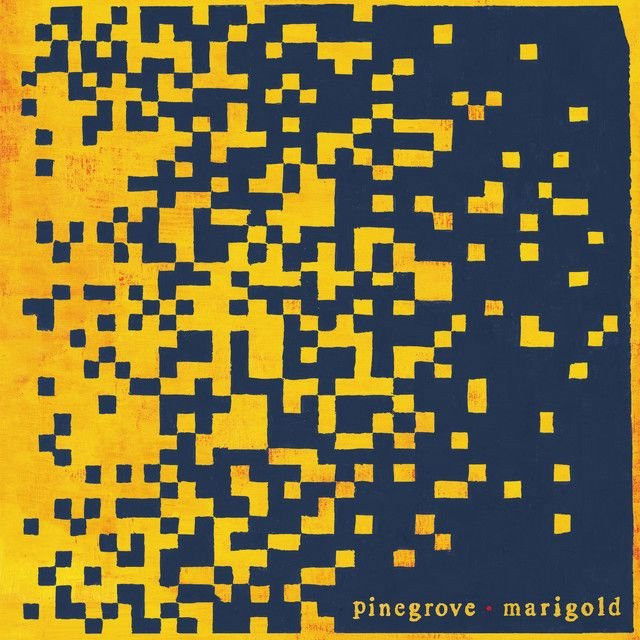
Factually, “Phase” was released on October 30, 2019, as a single from Marigold, written by Evan Stephens Hall and produced by Hall with Sam Skinner. It later became Pinegrove’s first song to chart on Billboard’s Adult Alternative Airplay ranking. Research sources also note Hall described it as a song about insomnia and racing thoughts.
A Sleepless Night Becomes the Whole World
At its core, “Phase” is about lying awake and watching the mind turn ordinary objects into emotional signals. Hall’s own explanation frames the song as a struggle to fall asleep while mentally listing tasks and drifting through anxiety. That makes the song’s images feel less random and more like the logic of a tired brain.
The opening is full of tiny edges and surfaces: eyelid, horizon, letter, moon. Instead of seeing clearly, the speaker seems trapped in half-focus. Interpretation: this suggests a person who is awake enough to notice everything, but too worn down to make sense of it.
That is why a line like restless eyelid
matters so much. It is not just a body detail. It signals that the whole song sits in the uneasy space between waking and sleep.

Watch the official Phase
music video
The Real Conflict Is Inner Division
The emotional center arrives in the refrain: divided right in two
. Before that moment, the verses move through clutter, rituals, colors, and moonlight. Then the chorus cuts through all of it with a blunt diagnosis.
Interpretation: the split can mean several things at once:
- the self who wants rest versus the self who keeps spiraling
- the public self versus the private self
- hope for improvement versus the heavy feeling of being stuck
The room is important here. When the speaker says they are consumed by the mess around them, the clutter feels mental as much as physical. A bedroom becomes a map of unfinished thoughts.
Rooms, Colors, and Rituals in the Lyrics
One of the strongest parts of “Phase” is how it links household details to identity. The speaker imagines someone helping to pick my room up
, but that wish is about more than cleaning. It sounds like a wish for order, relief, and maybe care.
Then the song turns to self-presentation. The body is described through colors and adornment, almost like dressing is a small ritual that gives shape to the day. Later, those colors fade, and the self feels covered by shadow instead.
That shift makes the phrase shadow like a uniform
especially powerful. A uniform usually gives purpose or belonging. Here, shadow becomes the thing they wear every day. Interpretation: sadness or anxiety has started to feel normal, even habitual.
Why the Moon and Stars Feel So Strange
The title “Phase” points strongly to the moon imagery that runs through the song. The moon does not just light the room. It changes the emotional weather. At one point, the moon seems almost alive, while later the stars look artificial.
This matters because sleep loss changes perception. Things can feel overcharged, unreal, or emotionally loaded. The phrase phase so strange and torn
suggests a cycle that is not smooth or natural. It feels broken.
There is also a strong contrast between beauty and discomfort. Brambles, silver, thorns, stars, and moonlight all sound poetic, but they do not bring peace. Instead, they sharpen the speaker’s unease.
I’m torn right through
Divided right in two
I’m lost without using
The brightest light I knew
Those lines briefly make the song’s emotional logic plain: the speaker feels split, disoriented, and cut off from a former source of guidance.
How the Music Carries the Meaning
Musically, “Phase” supports that restless feeling with warmth and tension at the same time. Research on the song’s reception noted the presence of slide guitar, and that detail matters. The steel and guitar textures give the track a floating, slightly blurred quality, which fits the half-dreaming mood.
Pinegrove often blends indie rock and Americana, and “Phase” uses that mix well. The arrangement is gentle enough to feel intimate, but it still moves with urgency. Interpretation: that balance mirrors the lyric itself, where tenderness and distress live side by side.
The vocal delivery also helps. Hall does not oversing these lines. The restraint makes the confusion feel believable, like thoughts spoken from bed rather than performed from a stage.
Artist Context Without Overreading It
“Phase” appeared during the Marigold era, a period when critics described Pinegrove as reflecting and rebuilding artistically. It is fair to note that context because songs are heard within their moment. Still, the clearest factual anchor remains Hall’s own statement that the song is about insomnia and anxious thought.
That focus keeps the reading grounded. Listeners do not need outside drama to understand why the song hits. Nearly anyone who has stared at the ceiling at 2 a.m. can recognize its emotional landscape.
What “Phase” Ultimately Means
The meaning of Phase Pinegrove is the feeling of being mentally split during a long night, when clutter, memory, and self-image all blur together. It is about wanting order, wanting sleep, and wanting some light strong enough to guide them back to themselves.
Its genius is that it never turns that struggle into a lecture. Instead, it uses room details, moon imagery, and a plainspoken chorus to show how anxiety feels from the inside.
That is why “Phase” lingers. It captures not just sleeplessness, but the strange emotional weather that comes with it.
Disclaimer: This interpretation is based on the released lyrics, documented artist comments, and musical context. Like most songs, “Phase” can support more than one meaning for different listeners.









