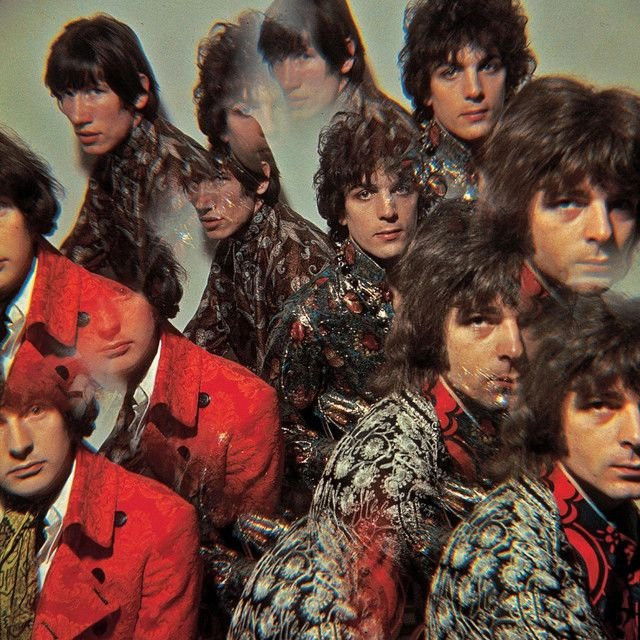
Astronomy Domine by Pink Floyd
The meaning of Astronomy Domine Pink Floyd starts with a simple idea: Syd Barrett turns space into a state of mind. Released as the opening track on The Piper at the Gates of Dawn in 1967, the song introduced Pink Floyd as a band interested not just in rock songs, but in sound as an experience. It is widely described as an early space-rock landmark, and its strange mix of celestial names, vivid colors, and echoing instruments still feels bold today.
"Astronomy Domine" - Pink Floyd
A fight between the blue you once knew
Floating down, the sound surrounds
Loading lyrics...
Unable to load lyrics
We're unable to display the lyrics at this time. Please try again later.
Factually, Barrett wrote the song, it was recorded in April 1967 and produced by Norman Smith for the band’s debut album. It opens with manager Peter Jenner’s megaphone-style voice listing cosmic objects, a detail often noted in standard references on the track’s history.
A Cosmic Trip, Not a Science Lesson
At its core, the song is less about astronomy than about perception. Barrett uses images like lime and limpid green
and icy waters underground
to build a world that feels both beautiful and unsettling. They are not telling a clear story with a beginning and end. Instead, they give flashes of color, movement, and fear, as if the listener is drifting through a dream.
Interpretation: many listeners hear the song as a psychedelic journey. The images seem to shift shape in real time, and the lyrics move by association rather than logic. That is why lines about planets sit next to comic-book language and sudden bursts of sound. The point is not accuracy. The point is immersion.
There is also a second possible reading. Because the song arrived during the 1960s space race, some critics and fans have seen it as reflecting that era’s fascination with the cosmos. That reading is possible, but it should be treated as interpretation rather than a confirmed statement of Barrett’s intent.

Watch the official Astronomy Domine
music video
How the Lyrics Build Awe and Anxiety
Barrett’s lyric writing balances wonder with unease. The list of bodies—Jupiter and Saturn
and names like Oberon, Miranda and Titania
—sounds educational at first. But in context, those names feel incantatory, almost like a chant.
That matters because the title itself carries a ceremonial tone. Early references note the working title Astronomy Dominé (An Astral Chant), which suggests Barrett wanted the song to feel like a ritual address to the heavens. The result is a piece that sounds half nursery rhyme, half cosmic prayer.
Then Barrett breaks the spell with phrases like Stars can frighten
. That short line is key to the song’s emotional center. Space is not only vast and exciting; it is also overwhelming. In just a few words, they move from childlike curiosity to fear of the unknown.
Sound First, Meaning Second
A huge part of the meaning of Astronomy Domine Pink Floyd comes from the arrangement. Barrett’s guitar, played through a Binson echo unit, creates a pulsing, delayed sound that feels like signals bouncing through empty distance. Richard Wright’s Farfisa organ adds a ghostly backdrop, while Nick Mason’s tom-heavy drumming gives the track physical force.
That combination matters more than any single lyric. Before the listener can “understand” the song, they can feel it. The beeping opening, drum fills, and thick echo create the sensation of entering an unstable environment. It sounds like transmission, not conversation.
Nick Mason later praised the track’s complexity, calling it a great drum part and noting its unusual structure. That comment fits the song well: it may sound loose and freaky at first, but it is carefully built to keep the listener off balance.
Sci-Fi Culture in the Middle of the Dream
One of the song’s smartest touches is how Barrett mixes real astronomy with pop culture. The mention of Dan Dare
, a famous British sci-fi hero, pulls the song away from pure science and back toward imagination. This is space as a child might picture it through comics, sound effects, and bright colors.
That blend helps explain why the track still works. It does not try to be “serious” in a narrow sense. It is playful, eerie, and theatrical all at once. Barrett treats outer space as a canvas where myth, science fiction, and altered perception can all exist together.
Why It Opened Pink Floyd’s Debut
As the first song on The Piper at the Gates of Dawn, “Astronomy Domine” announces Pink Floyd’s early identity immediately. It tells listeners they are entering a world where songs can be about mood, texture, and image as much as plot. In that sense, it is a mission statement.
It also became one of the band’s important live pieces, later reworked in post-Barrett versions and revived in later decades. That long life suggests the song carried more than novelty. Its structure gave the band room to expand, but its central feeling—wonder mixed with dread—remained intact.
The Best Way to Hear Its Meaning
The best answer to the meaning of Astronomy Domine Pink Floyd is that Barrett imagines space as both external and internal. The planets and moons are real enough, but they also stand for the strange mental landscapes the song explores. It is a trip through distance, color, noise, and uncertainty.
Interpretation: they may be singing about the universe, but they are really dramatizing what it feels like to face something too big to fully grasp. That is why the song remains powerful. It makes mystery feel thrilling and a little dangerous.
In the end, “Astronomy Domine” is not a puzzle to solve. It is an atmosphere to enter.
Disclaimer: Song meaning is interpretive. Unless the artist has explicitly confirmed a reading, some ideas above are informed interpretations based on lyrics, context, and documented production history.








