
Brain Damage by Pink Floyd
Pink Floyd’s "Brain Damage" turns fear of madness into one of rock’s clearest portraits of how fragile "normal" can feel.
"Brain Damage" - Pink Floyd
Provided by LyricFindThe lunatic is on the grass
The lunatic is on the grass
Remembering games and daisy chains and laughsLoading...Loading lyrics...
Unable to load lyrics
We're unable to display the lyrics at this time. Please try again later.
Why the meaning of Brain Damage Pink Floyd still lands
The meaning of Brain Damage Pink Floyd centers on mental instability, social pressure, and the uneasy line between sanity and madness. The song appears near the end of The Dark Side of the Moon, released in 1973, and it works like the album’s emotional breaking point before "Eclipse" closes the story. According to widely cited band history, Roger Waters wrote it, and the track was recorded during the album sessions at Abbey Road with Pink Floyd producing. It is commonly classified as psychedelic and progressive rock.
Factual context: research sources agree that Waters connected the song to former bandmate Syd Barrett, whose mental decline haunted Pink Floyd’s early history.
Interpretation: even with that personal source, the song is broader than one person. It is about how people label others as unstable, while secretly fearing the same collapse in themselves.
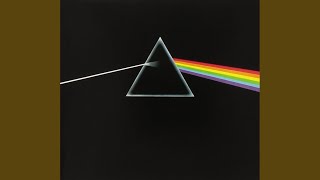
Watch the official Brain Damage
music video
A song that starts with judgment
The opening image uses the phrase the lunatic is on the grass
. Rather than glamorizing chaos, the line points to rule-breaking and social order. Waters reportedly said the image came from signs telling people to stay off the grass, turning a simple lawn into a symbol of conformity.
That matters because the song begins by showing madness as something seen from the outside. Someone is "over there," out of bounds, off the path. Then the lyric about keeping people on the path suggests a society that wants neat categories: sane people here, "loonies" there.
Interpretation: the song questions whether that system is honest. It hints that the need to control people may be its own kind of madness.
How the verses move closer to the mind
One of the smartest things in the writing is the progression of images. First, the "lunatic" is outside. Then the figure gets closer, entering the home and daily life through headlines and public fear. The line about papers and folded faces suggests that media can spread panic, flatten people into stories, and bring crisis to the doorstep every day.
By the third verse, the fear is no longer distant. It becomes in my head
. That shift is the song’s key move. What seemed like a problem belonging to "other people" is now internal and intimate.
The most famous line, there's someone in my head
, followed by but it's not me
, captures dissociation in plain language. They do not need clinical jargon. The idea is terrifying because it is simple: the self no longer feels fully in control.
The chorus turns fear into empathy
The chorus is where the song becomes more than a portrait of breakdown. It imagines pressure building until the mind cannot hold it anymore. Then comes the promise, I'll see you on the dark side
.
Factual context: many critics and listeners connect that refrain to Syd Barrett, and Waters has linked the song to Barrett’s instability.
Interpretation: the line sounds less like a threat than a recognition. Instead of saying, "you are broken and I am safe," it says, in effect, "I know where you are, and I am not as far from it as I want to believe." That is why the chorus feels sad rather than cruel.
And if the band you're in
starts playing different tunes,
I'll see you on the dark side
That brief passage is often read as a nod to Barrett’s erratic performances. But even without that backstory, it works as a metaphor for losing sync with the world.
Sound that feels gentle and unsettling
Musically, "Brain Damage" is quieter than its title suggests. It has an acoustic-leaning, ballad-like frame, with Waters on lead vocal and David Gilmour adding harmonies. Richard Wright’s organ and synthesizer textures widen the sound, while tape effects and the famous laughter deepen the unease.
That balance matters. The arrangement is not wild or noisy. It is controlled, almost warm. This makes the song more disturbing, because the breakdown unfolds inside a beautiful setting. The listener hears calm surfaces and unstable ideas at the same time.
The laughter near the end pushes that feeling further. It sounds human, but also detached, like emotion spilling out after language fails. Flowing directly into "Eclipse," the track then expands from one troubled mind to a full-album statement about pressure, fear, time, money, death, and identity.
Two strong ways to read the song
A portrait of Syd Barrett
The most grounded reading is biographical. The song reflects Waters’ feelings about Barrett, whose absence remained central to Pink Floyd’s story. In this reading, "Brain Damage" is part tribute, part grief, and part attempt to understand a friend they could not bring back.
A warning about ordinary pressure
A second reading is more universal. The song suggests that madness is not just a rare condition belonging to "other people." It can grow out of stress, isolation, social judgment, and the pressure to appear normal. That idea fits The Dark Side of the Moon as a concept album about modern life pushing people toward fracture.
Why the song still matters
The meaning of Brain Damage Pink Floyd lasts because it never reduces mental struggle to a simple slogan. It is personal, but not narrow. It is symbolic, but still emotionally direct.
They made a song that asks a hard question: who gets called crazy, and who gets to do the calling? In under four minutes, Pink Floyd turns that question into something haunting, compassionate, and unforgettable.
Disclaimer: This interpretation combines documented context with critical reading. As with many classic songs, some meanings remain open to listeners.







