La La Love You by Pixies
A Tiny Love Song With a Pixies Twist
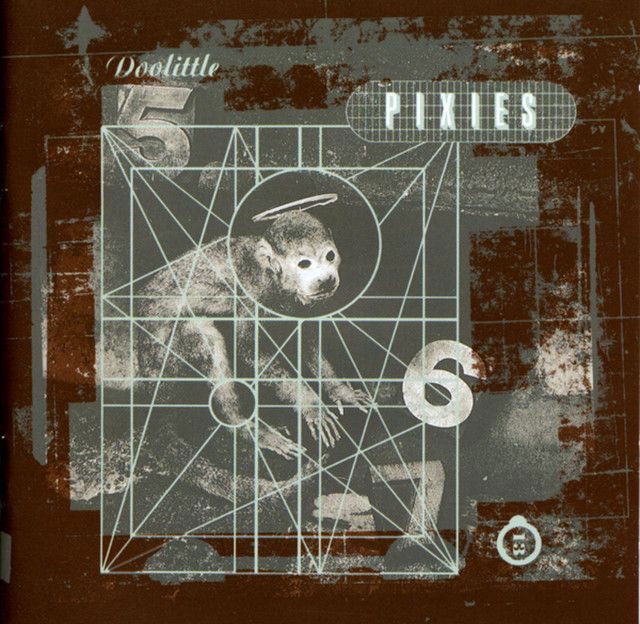
The meaning of La La Love You Pixies starts with a surprise: this is one of the band’s simplest and sweetest songs on the surface, yet it still carries their odd charm. Released on Doolittle in 1989, the track stands out because it feels light, goofy, and almost innocent beside the louder, darker songs around it. According to the album credits documented by 4AD, the song appears on the band’s landmark second album, which helped define alternative rock.
"La La Love You" - Pixies
I love you
I do
Loading lyrics...
Unable to load lyrics
We're unable to display the lyrics at this time. Please try again later.
At its core, the song is about direct affection. The speaker is not hiding behind mystery. They repeat a plain feeling—I love you
—and make that message sound almost childlike in its honesty. But because this is Pixies, that simplicity can also feel sly. The band often balanced sincerity with weird humor, and this track does the same.
Watch the official La La Love You
music video
The Heart of the Message
Straightforward words, playful delivery
Most love songs build drama. This one almost avoids it. Instead of long confession or heartbreak, it offers a blunt statement and a teasing sing-song hook: La la love you
. That phrase sounds carefree, but it also turns a serious emotion into a chant, as if the speaker is trying to make love feel easy, fun, and impossible to misunderstand.
The line don't mean maybe
matters because it removes doubt. The singer is not flirting in a vague way. They are saying the feeling is real and definite. In plain terms, the song presents love as uncomplicated desire: simple words, simple aim, immediate feeling.
Why the Lyrics Feel Funny and Sweet
A big part of the meaning of La La Love You Pixies is its mix of innocence and cheekiness. The song uses the language of teenage romance, including the baseball metaphor First base
and its quick progression toward Home run
. In American pop culture, that image points to physical intimacy, but here it is delivered so briefly and almost cartoonishly that it feels more playful than explicit.
That is why the song can land in two ways at once:
- as a goofy crush anthem
- as a parody of old-fashioned pop love songs
- as a knowingly simple song from a band famous for being stranger than this
Interpretation: The humor does not cancel the affection. Instead, it protects it. By making the words a little silly, Pixies can express desire without becoming overly sentimental.
Who Is Singing, and Why That Matters
This song is also notable because drummer David Lovering sings lead, not Black Francis. That fact changes the mood. Lovering’s vocal is lighter and less aggressive than the voice many listeners expect from Pixies, which helps the song feel bashful and sincere rather than explosive. On a record full of tension, his performance gives the track a kind of offbeat tenderness.
A brief moment captures the whole mood:
I love you
I do
I love you
Those short lines are almost absurdly plain, but that is the point. They strip love down to its most basic statement. There is no poetic cover. The speaker sounds like someone blurting out a crush because they can no longer keep quiet.
Sound and Production: Why It Feels So Light
Produced by Gil Norton, Doolittle is famous for sharp dynamics and clean detail, as noted in the album’s credits on AllMusic. On this track, though, the production serves a different goal than on heavier Pixies songs. The arrangement is compact, bright, and uncluttered.
The whistling, the simple beat, and the airy guitar feel all support the lyric’s directness. Nothing in the music tries to deepen the emotion with grand drama. Instead, the band gives the song a tossed-off quality, like a love note passed in class. That casual sound is important: it makes the affection feel spontaneous.
Interpretation: The production suggests that the song is not trying to be the ultimate statement on romance. It is more like a snapshot of desire—brief, catchy, and a little mischievous.
How It Fits the World of Doolittle
Placed on Doolittle, this song works as contrast. The album moves through surreal images, violence, religion, sex, and dark comedy. Against that backdrop, “La La Love You” feels almost tiny. But that smallness gives it purpose.
It shows that Pixies were not only masters of tension and chaos. They also knew how to use simplicity as a shock of its own. On an album loaded with unease, a cheerful mini-love song can feel just as strange as a scream.
That contrast likely explains why the track became a fan favorite. It reveals another side of the band: not softer exactly, but more playful and human. The song’s charm comes from hearing a group known for jagged edges act like they are making a bubblegum pop single for two minutes.
The Best Reading of the Song
The strongest reading is that “La La Love You” is both genuine and ironic at once. It means what it says: someone is in love, or at least in strong infatuation, and they want the other person to know it clearly. But the song also knows that pop music has a long history of reducing love to catchy slogans.
Pixies lean into that tradition, then wink at it. They use repetition, a nursery-rhyme feel, and old dating imagery to make the emotion sound universal and slightly ridiculous. That tension is the song’s secret strength.
Why It Still Connects
The meaning of La La Love You Pixies lasts because many people know this feeling: wanting to say something huge with very few words. The song understands that love can make people sound simple, even foolish. Instead of resisting that, it celebrates it.
That is why the track still feels fresh. It captures the awkward bravery of saying exactly what they feel and hoping that plain language is enough.
Disclaimer: This interpretation is based on the song’s lyrics, performance, and documented context. As with most art, listeners may hear different meanings in it.









