Summer's Gone by Placebo
A short, uneasy song about trying to change before time, grief, or self-destruction closes in.
"Summer's Gone" - Placebo
Provided by LyricFindCue to your face so forsaken
Crushed by the way that you cry
Cue to your face so forsakenLoading...Loading lyrics...
Unable to load lyrics
We're unable to display the lyrics at this time. Please try again later.
Why the meaning of Summer's Gone Placebo still hits
The meaning of Summer's Gone Placebo centers on a painful moment of recognition. The song watches someone who is hurting, panicking, and possibly spiraling, while a blunt chorus keeps returning to one idea: they want to change before it is too late.
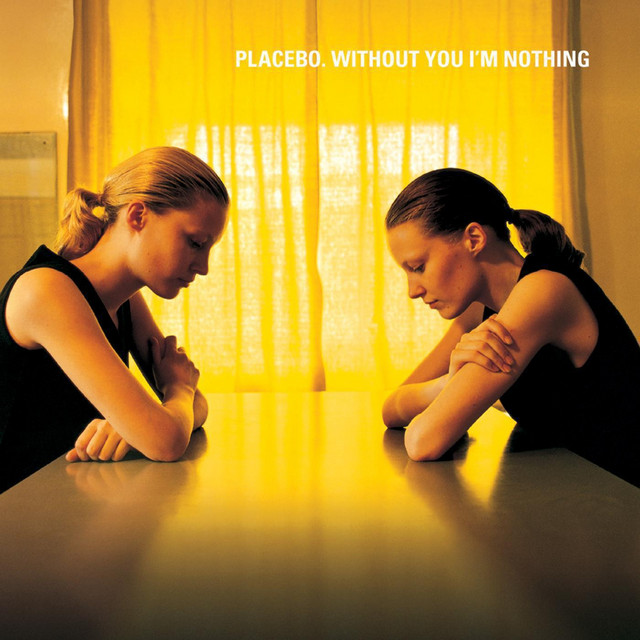
Factually, “Summer's Gone” is track 10 on Without You I'm Nothing, Placebo’s second studio album, released October 12, 1998. It runs 3:05, and the album was produced mainly by Steve Osborne. The record became one of the band’s breakthrough releases, reaching No. 7 in the UK and later earning platinum certification there (Wikipedia).
That album context matters. Critics and band commentary around Without You I'm Nothing often point to themes of vulnerability, romance, dislocation, and drug references. So even though there is no widely cited band quote explaining this track line by line, the song fits neatly into that emotional world.

Watch the official Summer's Gone
music video
A song built from direct address
One of the most striking things in the lyrics is the repeated use of “you.” The song does not sound distant. It sounds like someone standing very close to a person in trouble, noticing their face, their tears, and their racing heart.
Short phrases like forsaken
and what a surprise
suggest a bitter mix of empathy and irony. The speaker seems to see pain clearly, but they may also be tired of watching the same cycle repeat.
Interpretation: This direct-address style creates two possible readings:
- They are speaking to another person they love.
- They are really speaking to themselves, as if looking in a mirror.
Both readings work because Placebo often wrote songs that blur intimacy and self-judgment.
The chorus turns pain into a deadline
If the verses describe collapse, the chorus gives that collapse a clock. The repeated line about trying to break the mould
before getting old makes the song’s central fear very clear.
This is not just sadness. It is fear of becoming fixed. The “mould” sounds like a life pattern, identity, addiction, social role, or emotional habit that keeps trapping the person. The phrase before you die
raises the stakes from discomfort to urgency.
Interpretation: The chorus is less about rebellion in a glamorous sense and more about survival. It asks whether change can happen before time runs out. That is why the hook feels so haunting: it turns self-improvement into a last chance, not a fresh start.
Verse images of breakdown and numbness
The song’s imagery is simple but harsh. A face is crushed by crying. A heart is racing. An eye stings. These are physical details, and they make the crisis feel immediate.
Then the final section pushes into stranger territory. The lover imagery is not romantic in an easy way. It feels drained, like care has become difficult work. The phrase blood from a stone
suggests trying to force feeling, comfort, or devotion out of something already emptied.
The same section also mentions being high and dried out. The wording points toward substance use, emotional depletion, or both.
Sing for your lover
who's waiting at home
you're never alone
with the dead instead
Paraphrased, the lines suggest a person trying to perform love and connection, yet ending up in the company of memory, ghosts, or deadened feelings instead of real intimacy.
What “summer” may symbolize
The title barely appears in the lyric itself, but it frames the whole mood. “Summer” usually suggests warmth, youth, freedom, and motion. Saying it is gone implies the loss of all of that.
Interpretation: In this song, summer may symbolize:
- youth slipping away
- a relationship after its peak
- the end of a high, literal or emotional
- the loss of innocence or ease
That reading matches the album’s broader mood. Without You I'm Nothing often deals in aftermath rather than arrival. Its characters are not falling in love so much as dealing with what remains once excitement fades.
How the music supports the lyric
Placebo’s lineup on the album was Brian Molko, Stefan Olsdal, and Steve Hewitt, with Molko handling vocals and guitar, Olsdal on bass and keys, and Hewitt on drums (Wikipedia). The band’s late-1990s sound mixed alternative rock with glam and Britpop textures, but “Summer’s Gone” feels leaner and more shadowy than their louder singles.
The arrangement supports the lyric by refusing release. Rather than building toward triumph, the song circles its central tension. The beat and guitars feel tight, almost boxed in, which matches the idea of someone stuck in a pattern they cannot escape.
Molko’s vocal style matters too. They often sing with a thin, strained edge that sounds both fragile and confrontational. In this song, that quality helps the words land as concern and accusation at once.
A final reading: compassion mixed with warning
The strongest reading of the meaning of Summer's Gone Placebo is that it captures a person on the edge of emotional disappearance. Someone sees their pain, but seeing it is not enough. The song keeps asking whether they can change, reconnect, or survive before numbness becomes permanent.
That is what makes the track memorable. It is not a grand anthem about transformation. It is a small, tense portrait of somebody who knows change is needed and may still fail to reach it.
Last takeaway
“Summer’s Gone” feels like the sound of warmth leaving a life. It turns tears, panic, and addiction-coded imagery into a bigger fear: becoming trapped in a self that can no longer change.
Disclaimer: This interpretation combines verified release context with critical reading of the lyrics. As with most Placebo songs, some meanings remain open to listener interpretation.








