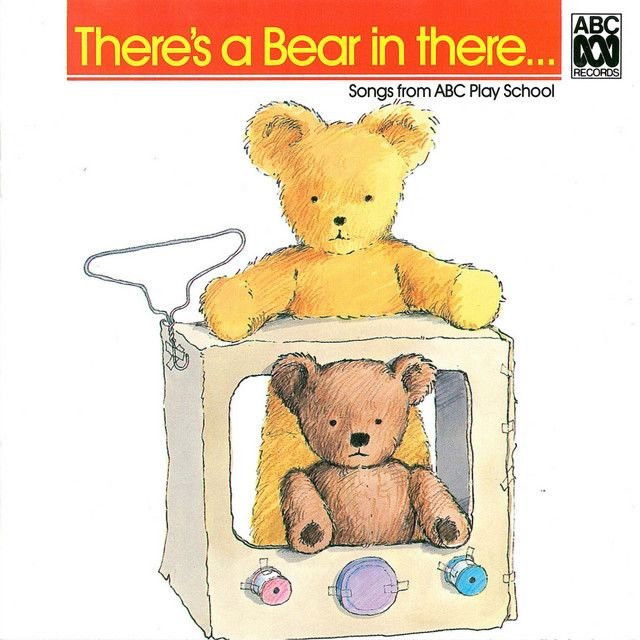
Why Play School Turns This Silly Song Into Joy
The meaning of Do Your Ears Hang Low? Play School is less about a hidden message and more about what children’s music does best: turn repetition, rhythm, and absurd images into shared fun. In Play School’s hands, the song becomes a game. It asks impossible questions, invites kids to picture nonsense, and creates a safe space where being odd is part of the joke.
"Do Your Ears Hang Low?" - Play School
Do they wobble to and fro?
Can you tie 'em in a knot?
Loading lyrics...
Unable to load lyrics
We're unable to display the lyrics at this time. Please try again later.
Because the song is commonly treated as traditional, it belongs to a long line of folk material shaped by oral performance rather than one modern author. That matters here. Traditional children’s songs often survive because they are easy to remember, easy to act out, and fun to repeat.
A Nonsense Song With a Purpose
At first glance, the lyrics seem to be only a chain of silly questions. The song wonders if ears can hang low
, be tied up, wave around, or even do jobs they clearly cannot do. That absurdity is the point.
Rather than telling a story, the lyric builds a comic world where body parts behave like toys, tools, or costumes. One verse imagines ears like cloth, another like wings, another like household objects. The result is playful exaggeration. Children laugh because they know the ideas are impossible, but they can still imagine them.
Interpretation: the song lightly celebrates imaginative freedom. It gives listeners permission to think in a loose, creative way, where language does not need to stay realistic.
Watch the official Do Your Ears Hang Low?
music video
How the Repetition Creates Meaning
The key to the meaning of Do Your Ears Hang Low? Play School is the repeated question-and-answer shape. Each verse starts with a catchy prompt and then piles on comic variations before returning to the main line.
That pattern does three things:
- It makes the song easy to memorize.
- It invites call-and-response performance.
- It creates anticipation, since listeners begin to expect another ridiculous image.
Short phrases like tie 'em in a knot
or tie 'em in a bow
are funny not because they reveal character, but because they stretch one idea further and further. The humor comes from escalation.
Speaking Directly to the Listener
The lyric is written in the second person, always addressing your ears
. That direct approach matters. Instead of describing someone else, the song playfully recruits the listener into the joke.
For children, that makes the song interactive. They are not just hearing it; they are being asked to imagine their own body transformed in silly ways. In a Play School setting, that likely pairs naturally with gestures, facial expressions, and movement.
Interpretation: this direct address can also soften self-consciousness. By joking about ears that wobble, stick out, or flap, the song turns physical difference into comedy rather than shame. It does not target one person. It turns everybody into part of the same pretend game.
The Imagery: Absurd, Physical, Memorable
One reason the song lasts is its concrete imagery. It does not speak in abstract ideas. It gives children things they can picture right away.
A few examples show the method:
wobble to and fro
makes ears seem loose and floppy.reach up to the sky
flips that image and makes them tall and proud.fly around the town
pushes the body into pure cartoon logic.
These images are physical and visual. They invite kids to act them out, which is one of the basic strengths of children’s television and classroom music. The song is almost built for motion.
Why Play School Is a Natural Fit
Play School has long been associated with early childhood learning and imaginative play. Even without relying on one specific recording detail, their style makes a song like this feel purposeful. A simple arrangement, bright tempo, and clear group-friendly singing would support the lyric’s main job: helping children join in quickly.
In production terms, songs like this usually work best when the melody is uncluttered and the beat is steady. That simplicity is not a weakness. It lets the words land cleanly and gives space for gestures, laughter, and repetition.
Interpretation: in a Play School performance, the meaning expands beyond the text. The song becomes an activity. Its real message is participation.
Is There Any Deeper Meaning?
There are at least two fair readings.
Reading One: Pure Comic Nonsense
The most straightforward view is that the song is just a humorous folk-style children’s piece. Its job is to entertain, create rhythm, and keep attention through repetition and surprise.
Reading Two: A Gentle Lesson in Difference
A second reading sees the song as lightly normalizing unusual features. Ears that droop, stick out, or look strange are treated as funny in a broad, harmless way, not as something to fear. The lyric turns difference into imagination.
Neither reading needs to cancel the other. Children’s songs often work exactly because they are simple on the surface and socially useful underneath.
Why the Song Still Works
The meaning of Do Your Ears Hang Low? Play School lasts because it understands how children listen. Kids respond to rhythm before analysis, to repetition before symbolism, and to images they can picture instantly. This song delivers all three.
Its humor is broad, its structure is sturdy, and its language is easy to repeat. Most of all, it invites participation. Children can sing it, move to it, laugh at it, and even make up new verses.
That may be the song’s biggest strength. It does not close meaning down; it opens play up.
Final Take on the Song’s Appeal
In the end, this is a nonsense song with real craft behind it. It uses repeated questions, comic body imagery, and a strong sing-along pattern to create joy. Play School’s approach fits that design perfectly by making the song feel warm, active, and communal.
Disclaimer: This interpretation is based on the lyrics provided, the song’s traditional nature, and the common conventions of children’s performance. Because traditional songs exist in many versions, meaning can vary by context and performance.









