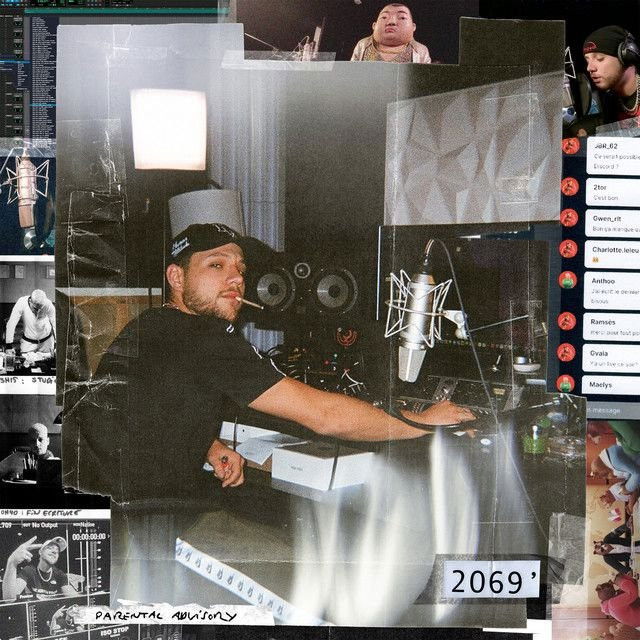
Why 'Pelo' by PLK Hits So Hard
The meaning of Pelo PLK comes down to a simple tension: they want more from life, but they do not want to lose the hard-earned code that got them there. The song mixes hunger, neighborhood identity, family duty, and suspicion. Even when PLK dreams about cars, screens, and a better view, the track stays grounded in labor and street wisdom.
"Pelo" - PLK
Ouais (ouais, ouais, ouais)
Je veux pas laisser de place au doute j'taff tout l'temps comme ça j'peux pas pelo
Loading lyrics...
Unable to load lyrics
We're unable to display the lyrics at this time. Please try again later.
PLK, born Mathieu Claude Daniel Pruski, built a career from Paris rap and later became one of the stronger chart performers in French rap; even Wikipedia’s discography summary shows how often his projects and singles have landed high on French charts. It also notes that Pelo reached No. 11 among his charting songs, which helps explain why listeners keep returning to it: it is catchy, but it also feels personal.
The Core Idea Beneath the Hook
At its center, the song is about refusing passivity. When the narrator says they work so much they cannot pelo
, the point is not just slang. It is a statement of discipline. They do not want to leave room for doubt, weakness, or wasted time.
That hook also ties identity to place. The line about coming from 9.2
and saying mon kho
instead of pelo
is really about local codes. PLK uses language to show belonging. In this reading, words are social borders: how people speak tells listeners who is inside the circle and who is not.
Interpretation: The repeated rejection of “pelo” sounds less like a literal attack on one word and more like a refusal of a mindset. They want authenticity, not performance.
Trust Is Fragile in PLK’s World
One of the strongest ideas in the song is that danger often comes from familiar faces. PLK warns that future enemies can come from today’s friends. That line gives the whole track emotional weight because it moves the song beyond ambition and into self-protection.
The same mood appears in the warning that after midnight, only worries arrive. This image is simple, but effective. Night becomes a symbol for bad choices, bad company, and the kind of chaos that can undo progress.
A Street Rule, Not Just a Complaint
PLK is not only venting. They are laying out a code:
- work before talking
- watch who stays around
- avoid trouble that looks fun at first
- learn early, so pain costs less later
That practical voice is a big part of the meaning of Pelo PLK. The song sounds like advice learned through experience rather than a speech made for effect.
Ambition Without Pretending
The verses are full of material goals: luxury cars, paddle shifters, Paris views, summer trips, TV exposure. But PLK keeps balancing these wants with realism. They say they prefer someone who gets up each morning to lift pallets over someone who only acts tough for attention.
That contrast matters. The song respects labor more than image. Even as PLK reaches toward success, they insist they are in the real world and do not like fake appearances. This is one of the song’s best tensions: they want glamorous results, but they still value ordinary effort.
Family Gives the Dream Its Purpose
The most human part of the song is that the money is not only for ego. There is a clear wish to buy gifts for the mother, build walls, and create security. Those details turn ambition into responsibility.
So when PLK talks about making money for the clan, the emotional center becomes clearer. Wealth is not presented as random excess. It is protection. It is repair. It is proof that past struggles will not be wasted.
A Self-Portrait of Growth
Another reason the song works is that PLK places success beside memory. They mention garage work and rough, improvised hustling before the current stage of concerts and visibility. That gives the track a timeline.
In short, the narrator moves through three stages:
- hard beginnings and unstable surroundings
- lessons about fake people and real work
- a push toward success without forgetting where they came from
This arc fits PLK’s broader public image. He began writing young and came up through groups before his solo rise, according to biographical summaries of his career. That context makes a song like “Pelo” feel consistent with his persona: proud of his roots, competitive, and aware of what climbing costs.
How the Sound Reinforces the Message
Even without getting lost in technical credits, the production style helps the meaning land. The beat feels built for repetition and assertion rather than vulnerability. Its rhythm gives PLK space to deliver lines with blunt confidence.
That matters because the lyrics are full of warnings and goals. A softer, more floating instrumental might have made the song feel reflective. Instead, the production pushes it forward. The result is a record that sounds like motion: keep moving, keep earning, keep watching.
Why the Delivery Matters
PLK’s tone is key too. He sounds conversational, but firm. That balance makes the track believable. The listener hears someone thinking out loud, yet also stating rules they already trust.
Interpretation: This is why the song feels bigger than a simple flex track. Its energy comes from pressure. Even the dream images carry stress beneath them.
The Lasting Meaning of Pelo PLK
In the end, the meaning of Pelo PLK is about building a future without betraying survival instincts from the past. They chase comfort, but they do not romanticize the road there. They want success, yet they keep returning to work, caution, and family.
That mix is why the song lasts. It is not just about getting rich. It is about learning who to trust, what to value, and why winning matters in the first place.
Disclaimer: This interpretation is based on the lyrics provided, public artist context, and musical analysis. As with any song, some meanings remain open to listener interpretation.







