Why “Try” by P!nk Still Hits So Hard
P!nk’s “Try” sounds simple at first: love hurts, but people keep going. That plain idea is exactly why the song has lasted. The meaning of Try P!nk is not about blind optimism. It is about choosing effort even after disappointment, and accepting that love can leave marks without destroying a person.
"Try" - P!nk
How it all turned to lies?
Sometimes I think that it's better
Loading lyrics...
Unable to load lyrics
We're unable to display the lyrics at this time. Please try again later.
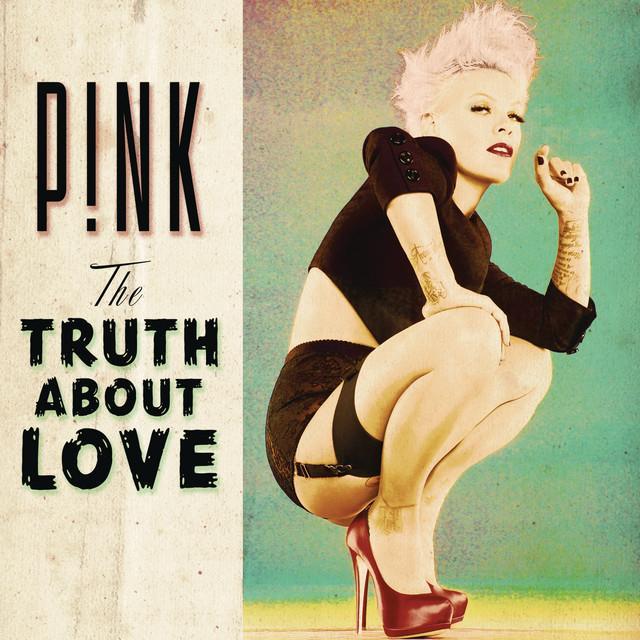
Released on P!nk’s album The Truth About Love, the song became one of her most recognizable anthems. It was written by Michael Busbee and Ben West, and its pop-rock edge gives the message force rather than softness.
A Heartbreak Song That Refuses to Stay Broken
At the center of the song is emotional risk. The verses describe the confusion that follows betrayal and romantic doubt. Early questions about lies and whether it is better not to ask why show a speaker who knows that truth can hurt.
Still, the song does not stay in that wounded place. It moves from fear into action. When the lyric points to desire
and flame
, it frames love as something intense and dangerous. Wanting someone can warm a life, but it can also burn it.
That metaphor matters because it keeps the song honest. P!nk is not saying love is easy. They are saying pain is part of the deal, and avoiding love altogether is not the answer.

Watch the official Try
music video
How the Chorus Changes the Whole Message
The chorus is the emotional engine of “Try.” It admits that getting hurt is likely, then rejects the idea that pain should end the story. The key line, get up and try
, turns the song from reflection into resolve.
This is why the meaning of Try P!nk feels bigger than a breakup. The chorus can apply to romance, but also to any setback that makes someone want to quit. Failure, rejection, and fear are treated as painful but survivable.
someone's bound to get burned
doesn't mean you're gonna die
That brief turn is the song’s thesis. Hurt is real, but it is not final. The message is not “nothing happened.” It is “something painful happened, and they can keep living.”
The Speaker’s Voice: Vulnerable, Then Defiant
The lyrics begin with uncertainty. Questions like whether the heart can be trusted suggest a speaker who has seen patterns repeat. The song recognizes how people fall for the wrong person even when warning signs are visible.
That emotional movement is one of the song’s strengths:
- First comes suspicion and sadness.
- Then comes recognition that love can deceive.
- Finally comes a decision to keep taking chances.
This progression gives “Try” a believable arc. It does not jump straight into empowerment. It earns it.
Fire, Falling, and Survival
The imagery is basic, but effective. Fire is the main symbol, and it works on several levels. It stands for attraction, danger, passion, and consequence all at once. The song also uses the idea of falling in love as something almost automatic, even when it is not wise.
Interpretation: That combination suggests that the song is less interested in one failed relationship than in the repeated human habit of choosing hope over caution. People know they may get hurt, yet they move toward connection anyway.
Another important phrase is just getting by
. In context, it sounds like a challenge. The song asks whether surviving is enough, or whether real living requires risk. That is a strong emotional question, especially for listeners stuck between self-protection and desire.
Why the Sound Makes the Message Stronger
“Try” works because the production mirrors the lyric. It starts with tension and restraint, then opens into a larger, driving chorus. That contrast makes the emotional shift feel physical, almost like standing back up after being knocked down.
P!nk’s vocal performance is key. They do not sing the chorus as a delicate promise. They push it with grit, which makes resilience sound active and earned. The voice carries strain, but also control.
The song’s polished pop structure keeps it accessible, while the rock texture gives it bite. In live performance and in the well-known music video, that struggle becomes even more visible. The choreography emphasizes impact, collapse, and return, which matches the lyric’s insistence on trying again.
Artist Context Matters Here
P!nk has long built songs around emotional bluntness and survival. Across much of their catalog, they return to themes of conflict, self-respect, and recovery. “Try” fits that identity well because it avoids fantasy. It does not promise safe love; it argues for courage.
That context helps explain why the song connected so widely in the United States. Listeners often respond to P!nk when they want strength without pretending not to hurt. “Try” offers exactly that balance.
One Song, Two Useful Readings
There are at least two strong ways to hear the song.
Interpretation 1: It is about romantic resilience. In this reading, the speaker accepts that relationships can fail, but chooses not to shut down emotionally.
Interpretation 2: It is a broader self-help anthem. Here, romance is just the starting point, and the real lesson is about recovering from any kind of emotional setback.
Both readings fit because the wording stays open. The song is specific enough to feel personal, but broad enough to travel.
Why “Try” Endures
The meaning of Try P!nk lasts because it speaks to a common fear: that pain will ruin a person for good. The song answers that fear with realism, not fantasy. Love may burn, hearts may mislead, and effort may fail. But none of that means people should stop reaching.
That is what makes “Try” more than a breakup song. It is a resilience anthem built on scars rather than slogans.
Disclaimer: This interpretation is based on the released lyrics, performance, and available song context. As with any song, listeners may hear meanings that differ from this reading.








