Why Poison's Saddest Hit Still Cuts Deep
The meaning of Every Rose Has Its Thorn Poison comes down to a simple but lasting idea: love can be beautiful and painful at the same time. That is why the song still connects decades later. It turns a breakup into a larger truth about relationships, regret, and the scars people carry after things end.
"Every Rose Has Its Thorn" - Poison
In the dead of the night
Although we both lie close together
Loading lyrics...
Unable to load lyrics
We're unable to display the lyrics at this time. Please try again later.
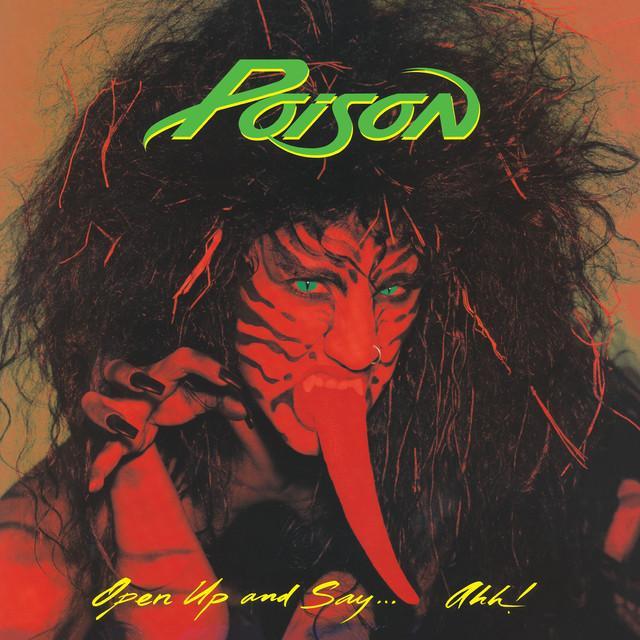
Released in 1988 as a single from Open Up and Say... Ahh!, the track became Poison's signature power ballad and their only No. 1 hit on the Billboard Hot 100, where it stayed for three weeks. It also helped widen the band's image beyond party-rock excess into something more vulnerable and human.
A breakup song built on distance
The verses place listeners in a room where two people are physically close but emotionally far apart. That contrast is the emotional engine of the song. When the narrator describes feeling miles apart inside
, the pain is not just about separation after a breakup. It starts before the relationship is even over.
That detail matters. The song is not only mourning loss; it is showing the slow failure of communication. The singer keeps asking whether a wrong word or action caused the damage. That self-questioning gives the song its emotional weight. They are not singing like a hero wronged by fate. They sound like someone replaying a painful night and wondering what they missed.

Watch the official Every Rose Has Its Thorn
music video
The chorus turns private pain into a universal truth
Poison's famous hook works because it widens one breakup into a lesson about life. The line Every rose has its thorn
says that beauty and hurt often come together. The other comparisons in the chorus make the metaphor feel inevitable, as if heartbreak is part of a natural cycle rather than a shocking exception.
Interpretation: This is why the song lasts beyond its era. It does not just say, "I lost someone." It says loss is built into love itself. That idea can feel comforting and crushing at once.
Every rose has its thorn
every night has its dawn
Even in that brief image, the song balances pain with movement. Night does not last forever, but dawn does not erase what happened. The song understands both truths.
Where the song came from in real life
According to widely cited accounts, Bret Michaels wrote the song after calling his girlfriend from Dallas and hearing another man's voice in the background. He later said he took his acoustic guitar into a laundromat and began writing from that devastated feeling. That origin story fits the song's plainspoken honesty.
It also helps explain why the lyrics sound more bruised than dramatic. Michaels has described the song as coming from a low point, and on Behind the Music he connected the rose metaphor to success itself: the band's rise was the rose, while the damage to his relationship was the thorn. That context deepens the song. It is not only about a breakup; it is about the cost of the life he was chasing.
A timeline of regret, not just sadness
The song moves through a clear emotional arc:
- Two people lie together in silence.
- The narrator wonders what went wrong.
- Memory turns into a general truth in the chorus.
- Time passes, but the wound still lingers.
- News of a new partner reopens the pain.
The later verses are especially sharp because the hurt has changed shape. Early on, the singer is confused. Later, they are haunted. The image of a scar that remains tells listeners that healing is incomplete. The body survives, but the mark stays.
When the song says that scar remains
, it captures a common breakup feeling: people may move on publicly while still carrying private damage.
Why the sound matters as much as the words
A big part of the meaning of Every Rose Has Its Thorn Poison comes from how it sounds. Poison were known as a glam metal band, but this track leans on acoustic guitar, a measured beat, and a restrained vocal. That softer setup makes the song feel closer, almost like a confession instead of a performance.
Critics at the time noticed the change. Cash Box praised its acoustic texture and called it a well-measured ballad. That choice was crucial. If Poison had played this as a loud arena rocker, the regret might have felt less believable.
Interpretation: The production mirrors the lyric's emotional exposure. The band strips away some of the flash so the vulnerability can lead.
More than an '80s power ballad
The song is often filed under glam metal nostalgia, but its staying power comes from something more basic: it tells the truth about mixed feelings. The narrator seems hurt by the other person, yet they also blame themselves. They miss the relationship, but they also know it may have been broken already.
That emotional split is why lines like easy come and easy go
land with irony. The radio voice treats love casually, while the singer feels wrecked by it. The song quietly rejects the idea that heartbreak is simple or disposable.
Its legacy supports that reading. The track has appeared on many best-of lists, earned strong chart success in the United States and abroad, and remained a reference point for power ballads because it showed that a band known for swagger could make room for sorrow.
The lasting takeaway
In the end, the meaning of Every Rose Has Its Thorn Poison is not that love is doomed. It is that love is risky, and people often understand its value most clearly when it is slipping away. Poison turned that painful realization into a song that feels personal and universal at once.
That is why it still cuts deep: it accepts that beauty can wound, and that some endings stay with people long after the moment has passed.
Disclaimer: This article offers a literary interpretation based on the lyrics, artist commentary, and the song's context. Meanings can vary from listener to listener.








