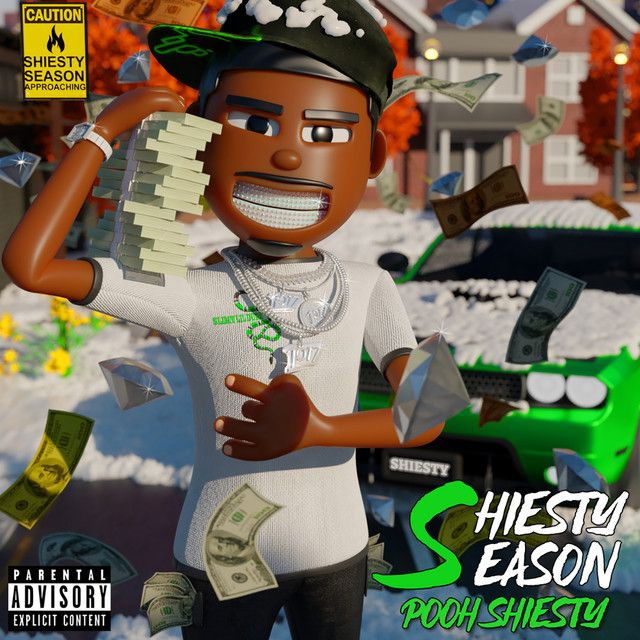
See Red by Pooh Shiesty
Why This Track Feels Like Pure Adrenaline
The meaning of See Red Pooh Shiesty starts with one blunt idea: rage becomes a lifestyle. In the song, they present a world where anger, fear, pride, and survival all blend together. The title phrase suggests losing calm and acting on instinct, but the track goes further than simple temper. It describes a circle of people who stay armed, suspicious, and ready for violence.
"See Red" - Pooh Shiesty
To help us on our way (mm, mm, mm, Big Blrrrd)
Together we can face another day
Loading lyrics...
Unable to load lyrics
We're unable to display the lyrics at this time. Please try again later.
That makes the song less of a story with a neat beginning and end, and more of a portrait of pressure. The hook keeps returning to a single image of a crew that sees threat everywhere. From that angle, “See Red” is about emotional overload as much as street power.
Watch the official See Red
music video
The Core Message Beneath the Threats
On the surface, the song is full of intimidation. They describe enemies running, talk about retaliation, and frame aggression as the rule of the environment. Short lines like see red
and one in the head
make that mood immediate. The first phrase points to anger; the second points to permanent readiness.
Interpretation: beneath those threats is a deeper message about living in defense mode. The narrator acts like hesitation can get someone hurt or killed, so they treat speed and force as common sense. The repeated references to reacting first turn the song into a study of hypervigilance.
That is why the chorus matters so much. It is not just boasting. It suggests that violence is normalized inside the speaker’s circle, almost like a shared language. Instead of stopping to question the system around them, the song reflects what it feels like to live inside it.
A Voice Built on Paranoia and Pride
Pooh Shiesty’s delivery helps sell that message. Their voice is sharp, clipped, and forceful, which makes each bar sound like a warning. Even when the lyrics shift to money or luxury, the tone does not soften.
One telling moment is the line about ending up in the Hills
but still speaking like danger is close. That contrast matters. Success has arrived, yet safety has not. The song suggests that wealth changes the setting, not the mindset.
Another key phrase is shoot first the motto
. Paraphrased, the track argues that their world rewards action before thought. This is one reason the song feels so tense: it leaves very little room for trust, peace, or regret.
How the Verses Build a World
The verses move in quick flashes rather than long scenes. They jump from weapons to crew loyalty, from drugs to designer clothes, from old struggles to new success. That structure mirrors a mind constantly scanning for the next threat.
A few major ideas repeat:
- enemies are always near
- the crew identity matters more than outsiders
- money offers status, but not peace
- violence is treated as routine
The line about needing a lil' bread
also matters. It reminds listeners that the song is not only about anger for its own sake. Financial pressure sits in the background too. Hunger, ambition, and fear feed the same mindset.
Everybody 'round me see red
Everybody 'round me got one in the head
This brief hook captures the song’s whole world. First comes emotion, then comes the means to act on it. The chorus ties rage to readiness, making the track feel communal rather than personal.
Memphis Rap Context Sharpens the Meaning
Pooh Shiesty emerged from Memphis, a city with a strong trap tradition built on stark realism, booming low end, and hard-edged delivery. They broke through widely with “Back in Blood,” and their rise made them one of the defining voices of early-2020s street rap. For basic career context, readers can look at sources like Billboard and AllMusic.
That context helps explain “See Red.” The song fits a style where threat, loyalty, and consequence are central themes, not side notes. It also matches the blunt, percussive approach associated with modern Memphis rap.
The writing credits provided for the song are Lontrell Williams, Nick Seely, and Tiquon Pryor. Those names matter because they point to collaboration behind the record, even when the performance feels raw and personal.
The Beat Turns Anger Into Atmosphere
Production is a huge part of the song’s meaning. The instrumental is cold and minimal, with hard drums and space around the vocal. That emptiness is important. It makes every line hit harder and gives the track a feeling of isolation.
Instead of lush melody, the beat leans on tension. The bass feels heavy, the rhythm stays locked in, and the energy rarely lets up. Interpretation: the production makes the song sound like a standoff that never fully ends.
There is also a chilling detail in the lyric that shouts out the beatmaker, saying TP cooked up the beat
. That line briefly pulls listeners behind the curtain, but it also reinforces how central the production is to the song’s effect. The beat does not decorate the lyrics; it embodies them.
One More Layer: Performance as Persona
It is also useful to hear “See Red” as persona-building. Rap often blends autobiography, exaggeration, and image-making. Interpretation: this song is not only reporting a reality but strengthening a reputation. Every threat, flex, and warning helps build Pooh Shiesty’s identity as someone who stays dangerous even after fame.
That reading explains why the song keeps mixing trauma, bravado, and luxury. The point is not balance. The point is to show that success has not made them soft.
What Listeners Take Away
The meaning of See Red Pooh Shiesty is less about one event than one state of mind: anger sharpened into survival. The song connects street loyalty, violence, money, and fame into a picture of someone who feels they must stay ready at all times.
For some listeners, it will sound like a raw document of pressure. For others, it will sound like a hard-edged performance of power. Both readings can exist at once.
Disclaimer: This interpretation is based on the song’s lyrics, sound, and public artist context. As with most rap music, some details may reflect persona, symbolism, or exaggeration rather than literal fact.







