Why 'Trains' Feels Like Time Slipping Away
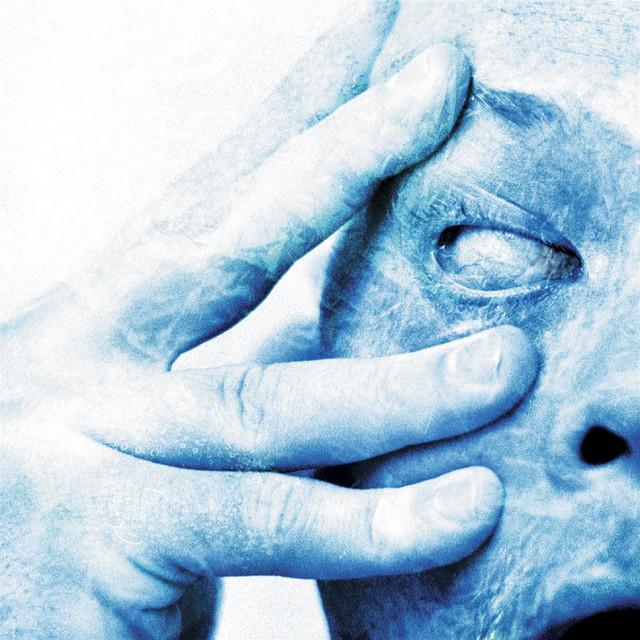
The meaning of Trains Porcupine Tree comes down to a simple but powerful feeling: they capture how memory, love, and childhood seem bright in the moment but impossible to keep. The song is one of Porcupine Tree’s most beloved tracks, appearing on In Absentia in 2002, a key album in the band’s catalog. Steven Wilson has discussed the record and its making in multiple interviews and reissues, and the album is widely recognized as a turning point where melodic songwriting met heavier textures in a sharper way.
"Trains" - Porcupine Tree
Shiny and contoured the railway winds
And I've heard the sound from my cousin's bed
Loading lyrics...
Unable to load lyrics
We're unable to display the lyrics at this time. Please try again later.
In this song, though, the band leans into warmth. They build a memory piece that sounds gentle on the surface but carries a painful idea underneath: life moves on, whether they are ready or not.
The Heart of the Song Lives in Memory
The clearest emotional clue is the repeated thought that the summers are slipping away
. They do not present summer as weather alone. It stands for youth, innocence, first desire, and the kind of long afternoons that feel endless until they are gone.
That is why the song feels so immediate and so distant at once. The narrator recalls railways, bedrooms, countryside, and desire as if all of them belong to one blurred season of life. Interpretation: the trains are not just machines; they are signals that time is passing and cannot be called back.
The title image matters because trains are built to move forward. They follow fixed tracks, which makes them a strong symbol for fate, routine, and the unstoppable pull of time.

Watch the official Trains
music video
Small Images, Big Feelings
The verses work by using ordinary details. They mention a train set, the view under a blind, and the sound of an engine in the distance. Those details make the memory feel domestic and believable, not abstract.
Then the imagery grows larger and more dramatic. A phrase like a 60 ton angel
turns a train into something half-industrial, half-spiritual. It is beautiful and heavy at the same time.
That contrast is central to the song’s meaning. Trains cut across nature, leaving scars in the country
, yet the narrator still hears them with wonder. The song suggests that growing up works the same way. Life marks people, but they still feel tenderness when they look back.
Love and Motion Become One Scene
The middle section shifts from childhood memory into romantic memory. When the narrator hears the engine pass, the song ties that sound to physical closeness and emotional intensity.
Short phrases like I'm in luck
and I'm dying of love
make the moment feel breathless and immediate. The train’s hiss fades, evening arrives, and intimacy takes over. The scene is sensual, but it is not only about sex. It is also about how a sound can unlock a whole emotional world.
Interpretation: the train may act as a trigger for memory, where past and present collapse together. They hear the engine, and suddenly desire, youth, and nostalgia all return at once.
Why the Chorus Hurts So Much
The chorus is simple, which is exactly why it lands. Instead of offering a complex argument, it repeats the fear of loss and adds a plea to stop it. The song does not believe time can actually be frozen, but it still asks anyway.
Always the summers are slipping away
Find me a way
That brief appeal says everything. They know the season is ending, yet they still want an answer. In emotional terms, that is the center of the song: not denial, but helpless awareness.
How the Sound Carries the Meaning
A big reason the meaning of Trains Porcupine Tree connects so strongly is the arrangement. The song opens with bright acoustic guitar and a melodic, almost pastoral mood. It sounds open, sunny, and intimate, which mirrors the memory of summer.
As the track develops, the band adds texture without losing that softness. The harmonies, subtle rhythm work, and polished production give the song a dreamlike motion. Porcupine Tree were known for progressive rock detail, but here they use restraint. That choice matters.
Instead of overwhelming the listener, the music glides like a passing train. The groove feels steady, almost inevitable. By the time the wordless vocal section arrives, language drops away and emotion takes over. That section often feels like memory itself: vivid, musical, and just out of reach.
Artist Context Helps Explain Its Reach
Porcupine Tree formed under Steven Wilson’s direction and gradually grew from a psychedelic project into a full band known for progressive rock, alternative rock, and art rock textures. In Absentia is often seen as one of their breakthrough releases in the U.S. and beyond, and “Trains” became one of their signature songs.
That wider context helps explain why the track stands out. While the album explores darker themes elsewhere, “Trains” offers a more melodic and reflective doorway into the band. It shows they could make something technically rich without losing emotional clarity.
The credited writers given here are Colin Edwin Balch, Gavin Richard Harrison, Richard Barbieri, and Steven Wilson. Their combined touch can be heard in the song’s balance of atmosphere, rhythm, and melody.
Two Strong Ways to Read It
There are at least two solid interpretations:
- A childhood-memory reading. The song looks back on summers shaped by railway sounds, family spaces, and the first awareness that good times end.
- A love-memory reading. The train becomes linked to romance and physical closeness, turning sound into an emotional trigger.
These readings do not cancel each other out. In fact, the song is stronger because they overlap. They suggest that memory is messy: childhood, place, desire, and time all blur together.
The Lasting Pull of “Trains”
What makes “Trains” endure is its balance of precision and openness. They give listeners enough detail to feel a real life behind the song, but enough space to place their own memories inside it.
That is why the meaning of Trains Porcupine Tree still resonates. It is about trains, but more than that, it is about hearing life move past and wishing, even for one second, that it would stay.
Disclaimer: This interpretation combines widely known song context with close reading of the lyrics and music. As with most great songs, meanings can vary from listener to listener.









