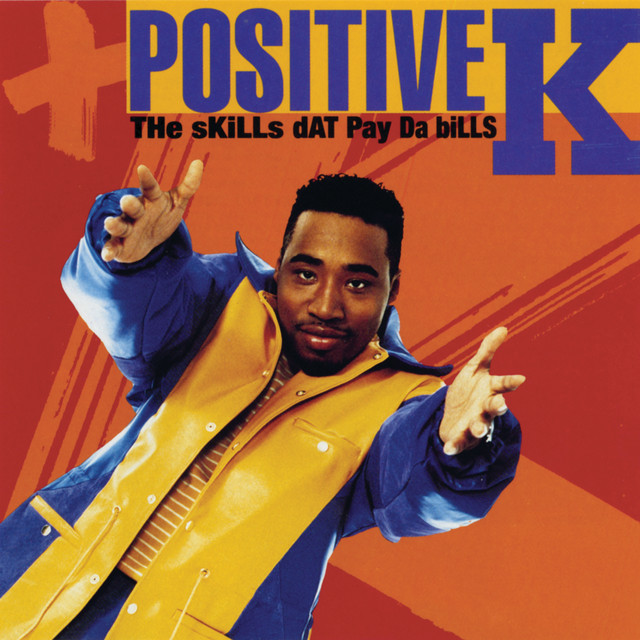
Why "I Got a Man" Still Works
The meaning of I Got A Man Positive K starts with a simple setup: one person keeps pushing for a date, and the other keeps saying no. What makes the song memorable is not just the joke, but the tension inside that joke. It sounds playful, yet the whole track turns on a serious point about boundaries, confidence, and who gets to control the conversation.
"I Got A Man" - Positive K
What's a girl like you, doin' in this rough city?
I'm just here, tryin' to hold my own ground
Loading lyrics...
Unable to load lyrics
We're unable to display the lyrics at this time. Please try again later.
Released in December 1992 as the lead single from The Skills Dat Pay Da Bills, the track became Positive K’s biggest hit, reaching No. 14 on the Billboard Hot 100 and No. 1 on the Hot Rap Singles chart. It was also certified Gold by the RIAA. Those facts help explain why the song still comes up in debates about rap storytelling and gender dynamics. Even without reproducing the full lyrics, its hook is hard to forget: I got a man
.
A Flirtation That Turns Into a Standoff
At the story level, the song is a dialogue. A man approaches a woman, tries charm, boasts, pressure, and jokes, and she answers with refusal. The clever studio trick is that Positive K performs both roles, with the woman’s voice pitch-shifted in the recording. That production choice is widely noted in coverage of the song and became part of its identity.
More important than the gimmick is what it reveals. The woman’s answer stays steady. She keeps repeating that she is unavailable, and when he tries to turn that into a challenge, she does not move. In plain terms, the song dramatizes a common social scene: one person treats rejection as negotiation, while the other treats it as final.
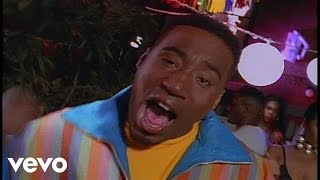
Watch the official I Got A Man
music video
The Hook Means More Than Relationship Status
On the surface, I got a man
means exactly what it says. She already has a boyfriend. But the deeper function of the phrase is defensive. It becomes a shield, a way to end the interaction without giving this stranger more access.
Interpretation: the line may not only be about loyalty. It also suggests the social pressure many women face when a simple no is not respected. In that reading, saying she has a man is the fastest route to safety and clarity.
The male voice keeps asking, in effect, why her existing relationship should matter to him. That is where the song’s central conflict lives. He frames attraction as enough reason to continue. She frames commitment, self-respect, and choice as the real issue.
How the Verses Build the Song’s Meaning
The back-and-forth gets sharper as the song continues. At first, the man sounds smooth and playful. Soon he becomes defensive, competitive, and mocking. He insults her boyfriend, praises himself, and acts as if persistence should wear her down.
That shift matters. It shows that his pursuit is not really about connection. It is about winning. When he acts like Don Juan
and talks himself up, the song exposes a familiar ego pattern: rejection becomes a bruise, so he tries to restore status through swagger.
The woman’s replies cut through that. She tells him, in different ways, that charm is not enough, money is not enough, and promises are not enough. One of the smartest moments is when she compares his talk to empty salesmanship. She hears his lines, but she does not believe them.
I got a man
What's your man got to do with me?
This short exchange captures the whole theme. One speaker insists on boundaries; the other insists on ignoring them.
The Sound Makes the Comedy Land
Part of the song’s staying power comes from its sound. The beat is bright, bouncy, and sample-heavy, drawing from records including A Taste of Honey’s “Rescue Me,” along with other sampled elements noted in song documentation. That groove keeps the track lively even when the subject gets tense.
There is a real contrast here. The music feels fun, almost cartoonish, while the conversation underneath is a battle of wills. That contrast is why many listeners remember the track as funny first. The instrumental invites them in; the dialogue gives them something sharper to think about.
Positive K and producer Shawn Thomas understood pacing too. The repeated hook gives the song a call-and-response structure, almost like a mini scene in a comedy sketch. Each return to I got a man
makes her refusal feel firmer.
Artist Context Changes the Reading
Positive K has said the song was not meant as street harassment but as a comic routine built from role-play. That context matters because the track clearly aims for performance and exaggeration, not realism alone. It belongs to a rap tradition that loves characters, voices, and verbal sparring.
At the same time, modern listeners may hear it differently. Interpretation: what sounded like light banter in 1992 can now sound like a portrait of refusal being tested again and again. Both readings can exist at once. The song can be witty as craft and uncomfortable as social behavior.
That tension is a big reason it lasts. It is not a flat love song. It is a snapshot of dating scripts, ego, and resistance.
Why the Song Still Connects
The meaning of I Got A Man Positive K endures because the song is really about more than a boyfriend. It is about a person drawing a line and another person refusing to accept it. Its humor, memorable hook, and dual-voice concept made it a hit, but its real staying power comes from that conflict.
For some listeners, it is a playful classic. For others, it is a lesson in how persistence can slip into disrespect. Both responses grow out of the same writing. That is what makes the track interesting three decades later.
Disclaimer: This interpretation is based on the song’s lyrics, performance, and publicly available context. Meaning can vary by listener.








