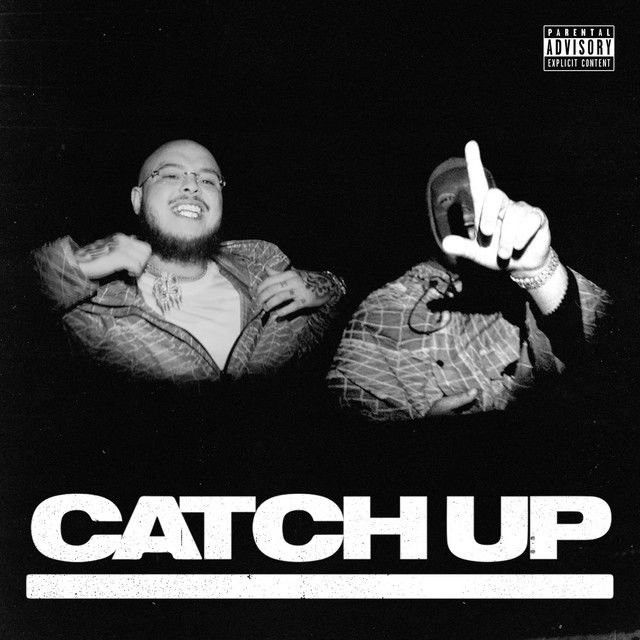
Why 'Catch Up' Is About More Than Winning
The meaning of Catch Up Potter Payper, M Huncho centers on ambition, survival, and the cost of getting ahead. On the surface, the track sounds like a victory speech. They rap about money, jewelry, cars, and rising fees. But under that flex, the song is really about proving they made it through pressure that others only watch from the outside.
"Catch Up" - Potter Payper, M Huncho
They're playing catch up, I'm putting down P's
They're still pocket watching, their money on E
Loading lyrics...
Unable to load lyrics
We're unable to display the lyrics at this time. Please try again later.
Potter Payper has long built his reputation on blunt street storytelling, while M Huncho often brings a cooler, melodic distance to similar themes. Together, they make “Catch Up” feel both hard-edged and reflective. It is less about simple celebration and more about what success means when it comes from chaos.
The Hook Turns Success Into a Gap
The chorus gives the song its main idea. When they say people are playing catch up
, they frame life as a race they now lead. That is not only about cash. It is also about respect, reputation, and experience.
They follow that with images of rising prices and people watching their pockets. In plain terms, they believe others are focused on counting their money instead of building their own future. The hook creates a social divide: the artists move forward, while critics stay stuck watching.
Interpretation: The repeated hook suggests that catching up may be impossible because the real distance is not only financial. It is built from trauma, risk, and years spent surviving systems stacked against them.

Watch the official Catch Up
music video
Family Gives the Flex Real Weight
One of the most revealing parts of the song is how often they connect money to family. They mention buying diamonds for loved ones, not just for themselves. That detail changes the tone.
Instead of luxury as empty showing off, the song presents wealth as a way to repair the past. When they point to diamonds for mum
, the idea is simple: success matters because it can be shared. Their rise becomes proof that the people around them can feel safer and more valued.
That same feeling appears in lines about siblings and close friends. The track keeps returning to the crew, the family, and the people who vouched for them. Even when they boast, they rarely sound isolated. Their success is framed as communal.
Street Reality Stays in the Room
Even at its flashiest, “Catch Up” never forgets where the money came from. The verses mention drug dealing, jail, snitching, and distrust. Those details stop the song from becoming fantasy.
A brief section captures that tension well:
As long as we breathe
As long as we cook
As long as we dream
Those short phrases tie together survival, crime, and hope. The logic is harsh: they keep living by continuing the same dangerous cycle. Dreaming and hustling sit right next to each other.
Interpretation: This is one of the song’s most important contradictions. They celebrate progress, but they also admit that progress came through environments where legality, safety, and morality were never clean choices.
Distrust Is Everywhere in the Lyrics
Another key part of the meaning of Catch Up Potter Payper, M Huncho is paranoia. They show almost no trust for outsiders. Traitors, fake friends, police, and even people claiming love are treated with suspicion.
When one line says I ain't convinced
, it sums up the emotional mood of the whole song. Success has not made them relaxed. If anything, it has made them more guarded.
This matters because it explains why the record feels colder than a standard celebratory rap song. They have money now, but they still talk like people who expect betrayal. In that sense, “Catch Up” is about the mental cost of survival, not just the rewards.
Potter Payper and M Huncho Play Different Roles
Potter Payper’s writing style is usually direct, detailed, and grounded in lived street experience, something noted in coverage of his catalog by outlets like The Guardian and NME. That background helps explain why his verse in “Catch Up” feels so physical: traps, jail, watches, knives, and shopping all appear as hard facts.
M Huncho brings a different texture. His section is smoother and more detached, but it still carries the same ideas. He asks who would have expected this level of wealth, then moves from jewelry to prison visits. That shift is important. He reminds listeners that success and absence still live side by side.
Together, they create balance. Potter sounds like the person still fighting through the pressure. M Huncho sounds like the person standing above it, looking back. Both angles support the same message.
The Production Keeps the Song Cold and Focused
The beat supports the lyrics by leaving plenty of room for their voices. It has the sleek, minimal feel common in UK rap and trap: heavy bass, crisp drums, and a dark melodic loop. That kind of production makes every line land with extra weight.
There is no warm, uplifting sound here. Instead, the instrumental feels controlled and expensive, matching the song’s images of luxury while keeping a shadow over everything. The music does not celebrate wildly. It stalks forward.
That choice fits the theme. “Catch Up” is not a party anthem. It is a status report from artists who have made gains but still move like they are under threat.
The Deeper Meaning Beneath the Bragging
At its core, “Catch Up” is about converting pain into proof. They measure their progress in money and status because those are visible signs that they escaped, or at least outran, some part of the life behind them.
But the song also says escape is incomplete. Jail still lingers. Distrust still lingers. The street economy still lingers. So when they say others are behind, they are not only boasting. They are defending the value of what it took to get here.
Final Take
The meaning of Catch Up Potter Payper, M Huncho is bigger than wealth talk. It is about survival becoming success, and success still carrying the mindset of survival. That is why the song hits: it sounds triumphant, but it never sounds fully free.
Disclaimer: This interpretation is based on the song’s lyrics, performance, and public artist context. As with any song, listeners may hear different meanings.









