Why 'Gangsteritus' Hits Harder Than Street Rap
The meaning of Gangsteritus Potter Payper, Tiggs Da Author comes down to one core idea: this is a song about the damage caused by a street identity that starts as survival and turns into a trap. Rather than glamorize that life, they show its cost in grief, paranoia, pride, and sacrifice.
"Gangsteritus" - Potter Payper, Tiggs Da Author
Bringin' fire to my eyes, I, ooh
I know, I know it's killin' me inside
Loading lyrics...
Unable to load lyrics
We're unable to display the lyrics at this time. Please try again later.
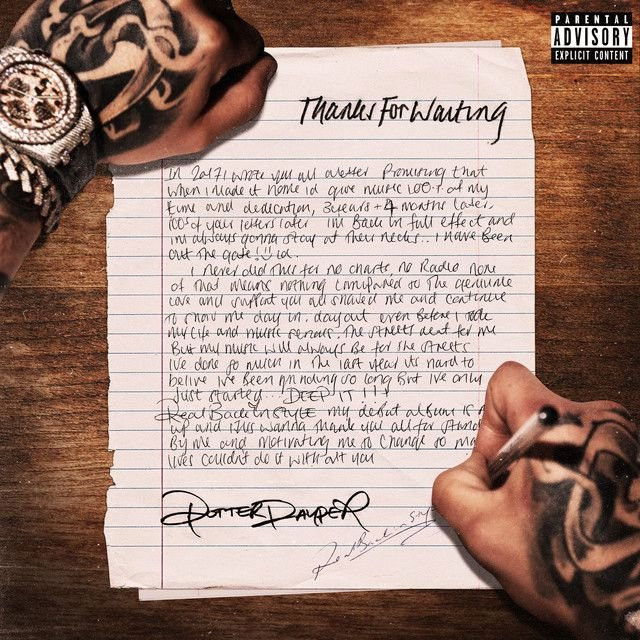
Released in 2021 on Thanks for Waiting, the song became a major breakthrough for Potter Payper. According to Songfacts and Wikipedia, it later reached a much wider audience after appearing in Top Boy, helping it become his first UK Top 40 hit and eventually earn Gold certification in the UK. Those facts matter because the song's message is bigger than one artist's backstory. It connected because listeners heard both toughness and pain in the same record.
A Street Anthem That Doubts the Street
At first listen, "Gangsteritus" can sound like a victory lap. Potter Payper raps with force, confidence, and technical control. But the deeper message is much darker.
The title itself points the way. In a quote reported by Songfacts, Potter described "gangsteritus" as an affliction: the urge to live a lie that can only end badly. That definition changes how the whole song lands. The verses are not just boasts. They are symptoms.
When they say everybody must make sacrifices, the song asks what kind of sacrifice this life demands. The answer is brutal: peace, family stability, innocence, and sometimes life itself. That is why the hook feels wounded rather than triumphant.

Watch the official Gangsteritus
music video
The Hook Turns Swagger Into Sadness
Tiggs Da Author's chorus is essential to the song's meaning. His voice softens the track and brings out the emotional truth behind Potter's bars. The repeated pain in lines like killin' me inside
and things I sacrificed
reframes everything around them.
Instead of acting as a catchy break, the chorus works like a confession. Potter's verses describe the machinery of street life, but Tiggs expresses what it feels like after the adrenaline fades. The women mentioned in the hook may be literal, but the larger feeling is distraction, temptation, and emotional damage.
Interpretation: the hook suggests that even success cannot quiet the inner burn. They may have escaped one version of struggle, but the psychic cost remains.
Memory, Prison, and the Price of Becoming Somebody
One of the strongest parts of the song is how it moves between past and present. Potter jumps from courtrooms and prison memories to rap success, but he does not present fame as a clean escape.
When they reference Crown court
and later compare old street work with making tapes, they draw a straight line between illegal hustle and music hustle. The skills transfer, but the trauma does too. They are still measuring risk, reading threats, and carrying old instincts into a new career.
A key emotional moment comes when Potter remembers family support and absence at once. The memory of a grandmother's affection sits beside mentions of loss and danger. That contrast gives the song its depth. They are not only explaining what happened. They are showing how love and violence can exist in the same life story.
What the Verses Say About Identity
Potter's writing is packed with internal rhyme and sharp switches in tone. He can sound funny, threatening, reflective, and numb within a few bars. That instability feels intentional.
A phrase like go viral
places the song in a modern rap climate where visibility is currency. Potter pushes back against that world. He is not chasing trends; he is documenting damage. Even when he sounds superior to other rappers, the pride is mixed with disgust.
Interpretation: the song argues that "gangster" can become a role people perform until the performance owns them. The illness in the title is not just criminal behavior. It is a mindset built from neglect, pressure, and learned survival.
Why the Sound Feels So Heavy
The production helps explain why the song lingers. Songfacts reports that producer Show N Prove reworked the track with a live band after Potter initially disliked it. That detail matters. The final version feels broad, cinematic, and haunted, not skeletal or club-focused.
The live instrumentation gives the record a sense of gravity. The drums still hit hard, but the musical bed carries sorrow as much as menace. Tiggs' melodic hook glides over that tension, making the track feel like both a street chronicle and a lament.
Wikipedia also notes that Potter later said the spoken-word addition gave the song "a new depth and a new meaning." Even without focusing on every version detail, listeners can hear that depth in the performance: they sound like someone reviewing a life while still trapped inside its reflexes.
Why It Resonated Beyond Core Rap Fans
"Gangsteritus" stood out because it offered more than realism. It gave realism a diagnosis. That is one reason critics and fans treated it as a standout British rap single, and why its Top Boy placement felt so natural. The song fits crime drama, but it also critiques the mindset such dramas often stylize.
There is also a universal side to it. Most listeners have not lived Potter's exact story, but many understand what it means to inherit bad patterns, chase status, and lose parts of themselves along the way.
The Lasting Meaning of "Gangsteritus"
The meaning of Gangsteritus Potter Payper, Tiggs Da Author is not that street life is exciting. It is that the habits formed in pain can feel normal, even when they are destroying a person. The song's brilliance is that they never flatten that contradiction.
They sound proud, damaged, grateful, and angry all at once. That tension is the point.
This interpretation is based on the lyrics, artist comments, and release context. As with any song, meaning can vary from listener to listener.









