Why ‘Impressioni di Settembre’ Still Glows
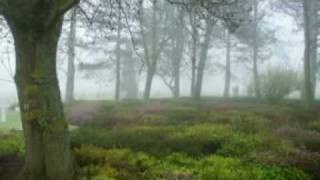
The meaning of Impressioni di Settembre Premiata Forneria Marconi begins with a simple image: a person standing in the countryside, surrounded by dew and fog, trying to understand what they feel. From there, the song opens into something larger. It is not only about nature or memory. It is about identity, solitude, and the quiet hope that clarity can return.
"Impressioni di Settembre" - Premiata Forneria Marconi
Cerco il sole ma non c'è
Dorme ancora la campagna, forse no
Loading lyrics...
Unable to load lyrics
We're unable to display the lyrics at this time. Please try again later.
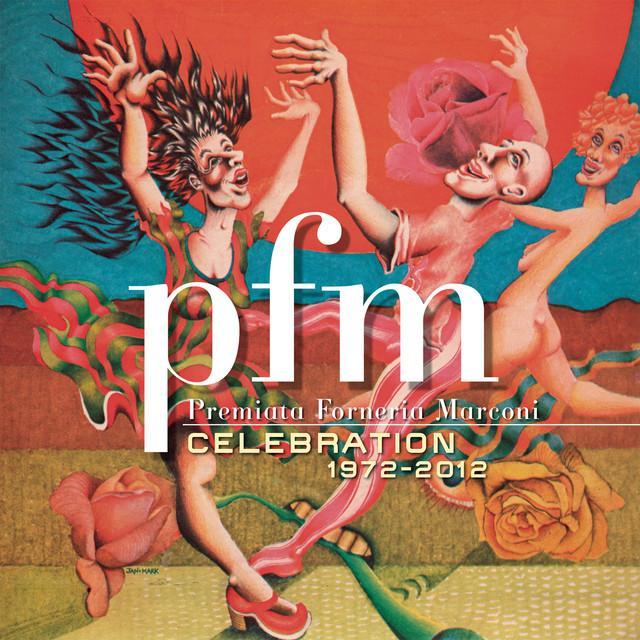
Premiata Forneria Marconi, or PFM, formed in Milan in 1970 and became the first Italian rock band to reach major international audiences, according to their widely cited career history. Their 1971 single Impressioni di settembre
later appeared in a re-recorded form on Storia di un minuto (1972), and the song is often noted as a landmark early Italian hit featuring synthesizer.
A Morning Scene That Becomes an Inner Journey
On the surface, the song describes a rural morning. The speaker notices dew, fog, earth, grain, grass, and a horse in a field. They breathe in the air and think of someone absent. That level is clear enough.
But the key move is emotional. The natural world does not stay background scenery. It starts reflecting the speaker’s state of mind. When they say cerco il sole
, they are not just looking for weather. They seem to be looking for warmth, certainty, or direction.
This is why the song feels so intimate even when very little “happens.” The landscape becomes a mirror. The more they observe the fields around them, the more they realize they are still trying to understand themselves.
Watch the official Impressioni di Settembre
music video
Where the Real Meaning Turns
The emotional center arrives when the song shifts from description to self-definition. Until then, the voice is drifting through sensory details. Then it admits uncertainty in direct terms.
un uomo in cerca di se stesso
That brief confession gives the earlier images a new meaning. The dew, the fog, and the stillness are not decorative. They stage a moment of self-recognition. The speaker is not only missing someone; they are also unsure who they are without that connection.
Interpretation: the absent penso a te
may refer to a loved one, but it can also point to a lost version of the self. The lyrics allow both readings.
Nature Symbols That Carry the Song
Several images do most of the song’s work:
- Dew and fog suggest uncertainty, softness, and half-formed thought.
- Earth and grain ground the speaker in physical life and routine.
- The sea-like grass makes the familiar world feel vast and slightly unstable.
- The horse reflects the speaker’s stillness, then breaks it by fleeing.
- Sunlight through fog hints that confusion is temporary.
One of the smartest details is how movement stays limited for most of the song. The speaker watches more than acts. Even the horse first seems to share that stillness. When it runs, the moment underlines how fragile calm can be.
The Chorus Is About Solitude, Not Defeat
When the song repeats its uncertainty, it does not sound dramatic or self-pitying. It sounds honest. The line about not knowing what they are now gives the song its existential weight.
Then comes another striking thought: solo il suono del mio passo
. Paraphrased, the speaker is left with only their own footsteps. That image captures loneliness, but also presence. They are still moving, however carefully.
This matters because the ending does not collapse into despair. The sun begins to filter through the mist, and the day will continue as always. That final note is modest but powerful. Life does not suddenly solve the speaker’s crisis, yet the world offers a small, believable form of hope.
How PFM’s Sound Deepens the Meaning
Part of what makes the song endure is the way its music supports the lyrics. PFM were central to Italian progressive rock, blending symphonic ideas, folk color, and rock structure. The song became especially notable because of its use of synthesizer, with keyboardist Flavio Premoli associated with early Minimoog experimentation in the Italian scene.
That matters for interpretation. The pastoral images could have produced a purely acoustic folk song. Instead, PFM place them inside a progressive arrangement that feels airy, modern, and slightly uncanny. The result matches the lyric’s emotional tension: nature feels real, but consciousness keeps turning it into thought.
The melody also helps. It rises gently rather than pushing hard, which keeps the song reflective. They do not perform the lines like a grand crisis. They let them unfold. That restraint is a big reason the song feels timeless.
Why the Song Still Matters
PFM later reworked the track for international audiences, and the English-market album The World Became the World (1974) included an English-language version tied to the band’s expansion abroad. Yet the Italian original remains especially beloved because its imagery is so rooted in mood and sound.
For many listeners, the meaning of Impressioni di Settembre Premiata Forneria Marconi lies in that balance between the personal and the universal. Almost everyone knows the feeling of waking into a day that seems ordinary while carrying private uncertainty. The song gives that feeling a shape.
It says that a person can feel alone, unsure, and suspended between seasons, yet still sense light beginning to break through. That is why it still glows.
Disclaimer: This interpretation is based on the lyrics, musical context, and documented band history. As with most poetic songs, listeners may reasonably hear different meanings in the same images.








