Why 'Lay Down' by Priestess Feels So Unsettling
The meaning of Lay Down Priestess is rooted in death, but what makes the song memorable is how calmly it stares at that fact. Rather than offering comfort, Priestess build a scene of burial, separation, and emotional numbness. The words feel intimate and cruel at the same time, which is why the track still sparks debate.
"Lay Down" - Priestess
I'll be nothing when you're gone
Lay down just like in a coffin
Loading lyrics...
Unable to load lyrics
We're unable to display the lyrics at this time. Please try again later.
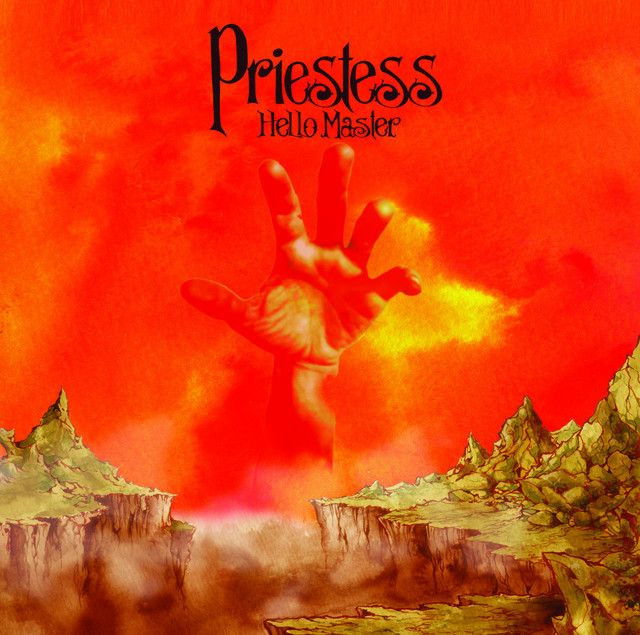
"Lay Down" appears on Hello Master, Priestess's debut album, first released in Canada in 2005 and later remastered for U.S. release in 2006. It was produced by Gus Van Go, with Tom Siler contributing organ on the track. The song also reached many listeners through Guitar Hero III: Legends of Rock, where it appeared as a playable master track. Those facts are widely cited in reference sources about the song and album.
A Death Song With No Easy Comfort
At the most basic level, the song describes someone facing a dead loved one and trying to accept burial. The repeated image of a coffin is not symbolic in a vague way; it is direct, physical, and final. When the speaker addresses a little darling
, the tenderness clashes with the cold setting, making the song feel more disturbing.
A common reading, supported by song reference sources, is that the narrator is a mourner at graveside trying to come to terms with death. In that interpretation, the command lay down
sounds like a painful acknowledgment that the person cannot return.
Interpretation: The song may be about the moment when love runs into reality. The speaker still feels attachment, but death has stopped the relationship from continuing in any normal sense.

Watch the official Lay Down
music video
The Darker Possibility Inside the Lyrics
There is also a harsher reading. One source summary claims "Lay Down" is about a man who murders his wife. That idea is not confirmed by the band in the research provided, so it should be treated as interpretation rather than settled fact. Still, the lyrics do support a guilty, unsettling voice.
The line built around leave you in a coffin
does not sound purely sad. It can also sound detached, almost practical. Later, the speaker admits they cannot love the person when you're dead
, which is a brutally flat sentence. Instead of romantic grief, the song presents emotional shutdown.
That is why the track works in two ways at once:
- It can be heard as grief after a death.
- It can be heard as a confession shaped by guilt.
Both readings fit the song's chill.
How the Verses Tell the Story
The song unfolds in a simple but effective sequence. First, the speaker addresses the dead person gently, almost like singing a lullaby. Then the language shifts toward burial and church imagery. By the second verse, there is no pretending anymore: breath is gone, the body is being left behind, and the earth is waiting.
One short section captures the whole emotional arc:
this pain will be long gone
absence of your breath
Even here, the speaker seems split. They recognize pain, but they also talk as if pain can be escaped by moving on. That tension gives the narrator a hard edge. They do not sound broken open by grief; they sound like someone trying to seal it off.
Why the Chorus Feels Haunted
The chorus is where the song's emotional confusion becomes clearest. Phrases like I know I won't go
and it's not my turn
shift attention away from the dead person and back to the speaker. Suddenly, survival itself becomes the issue.
Interpretation: This may mean the speaker is overwhelmed by survivor's guilt. They remain alive while someone else has been buried. But it could also suggest fear of judgment, punishment, or mortality. In the murder reading, those lines sound even more loaded, as if the speaker is insisting they will not follow the victim into death.
That is the smart part of the writing. The hook is catchy, but its meaning never settles into one emotion. It holds grief, fear, and self-protection all at once.
The Sound Makes the Lyrics Hit Harder
Priestess were known for a hard rock style shaped by classic metal and stoner rock, and Hello Master was often compared to bands like Black Sabbath and AC/DC in critical coverage. "Lay Down" uses that throwback power well. The guitars drive forward with confidence instead of sorrow, which creates a sharp contrast with the funeral imagery.
That contrast matters. If the music were slow and mournful, the song might feel too obvious. Instead, the riffs give it motion, almost swagger. The added organ deepens the atmosphere and gives the track a faintly church-like shadow without turning it into a ballad.
Interpretation: The upbeat force of the arrangement may reflect denial. The speaker keeps moving, keeps pushing, even while the lyrics stare at death. That mismatch is a big reason the song feels eerie rather than simply sad.
Why It Stayed in People’s Heads
Part of the song's legacy comes from exposure. Its placement in Guitar Hero III brought Priestess to a much wider audience, and the track's punchy structure made it ideal for that format. But popularity alone does not explain its staying power.
The real reason is that "Lay Down" says something ugly and human: death can leave behind love, numbness, resentment, and even relief at the same time. The song refuses to clean those feelings up.
Final Take on the Meaning of Lay Down Priestess
The meaning of Lay Down Priestess is best understood as a confrontation with death told through a speaker who may be grieving, guilty, or both. The coffin imagery, the refusal to follow, and the blunt language about love after death all point to emotional fracture rather than peace.
That ambiguity is the point. Priestess turn a hard rock song into a scene of burial where tenderness and cruelty sit side by side.
Disclaimer: Song meaning is interpretive. Unless the artists have clearly explained a lyric, readings can vary between listeners.








