Why Primus Made Uncle Sam Sound Dangerous
The meaning of Electric Uncle Sam Primus starts with a simple idea: authority is speaking, and it wants everyone to know it is in charge. Instead of describing power from the outside, Primus let power talk for itself. That choice turns the song into a dark joke, a warning, and a political cartoon all at once.
"Electric Uncle Sam" - Primus
I'm the old one that torments you. I am the voice that tells you to:
Don't get caught with your fingers in my pie.
Loading lyrics...
Unable to load lyrics
We're unable to display the lyrics at this time. Please try again later.
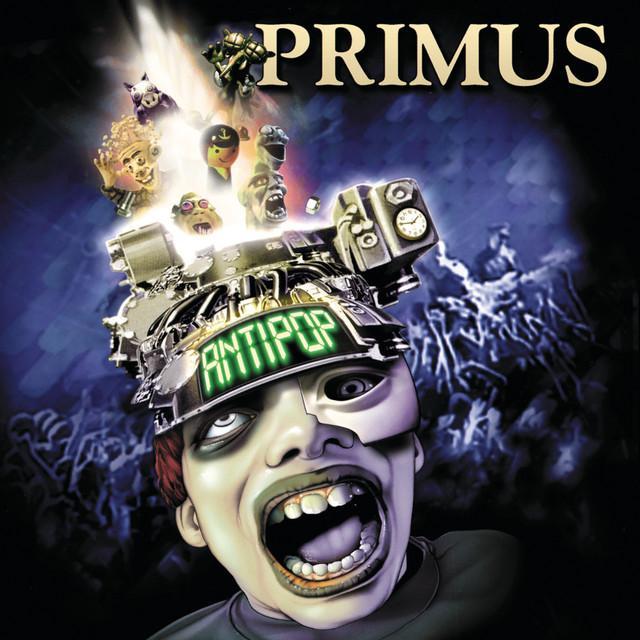
Released on Antipop in 1999, the track came from a strange moment in the band’s history. Antipop was Primus’s sixth studio album, and it featured outside producers including Tom Morello, who co-wrote and produced this song. It was also the band’s last studio album before a hiatus, a period Les Claypool later described as tense and creatively difficult in retrospective comments about the record. Those facts matter because the song sounds jagged, pressured, and confrontational in a way that fits that era.
A Villain With a Flag on His Sleeve
On the surface, the song presents a swaggering speaker who claims total control. Early lines boil down to: they make the rules, they decide what is allowed, and they punish anyone who crosses them. Short phrases like I am the plan
and I am the man
show that this voice is not humble or democratic. It sounds absolute.
Then the identity becomes clear: I am your Uncle Sam
. That image pulls from the famous U.S. national symbol, but Primus twist it. This is not a smiling recruitment poster. This Uncle Sam is menacing, possessive, and always watching.
Interpretation: The song is best read as satire. Primus seem to be mocking a version of American power that presents itself as protective while acting controlling.
Watch the official Electric Uncle Sam
music video
How the Lyrics Build a Threat
The verses work because they are so blunt. The speaker warns against getting too close to what belongs to them, using fingers in my pie
as a crude, greedy image. In plain language, the song suggests that power defends its interests first and calls that justice later.
The threat gets even sharper with surely gonna' die
. That line is exaggerated, but that is the point. Primus often use grotesque humor and cartoon-like voices, and here the overstatement makes the narrator sound both ridiculous and scary.
The chorus expands the idea. The speaker says they are everywhere, not just in one office or one building. That turns Uncle Sam into a system rather than a person.
I'm here, I'm there, I'm everywhere.
I am your Uncle Sam.
That is the song’s clearest image of power: invisible, constant, and impossible to avoid.
The Strongest Reading: State Power as Performance
For many listeners, the meaning of Electric Uncle Sam Primus is a critique of government power, surveillance, and patriotic pressure. The song’s first-person bragging makes authority sound theatrical. It is less a policy speech than a bully’s monologue.
The line about not sitting among enemies also hints at forced loyalty. In paraphrase, the speaker does not just want obedience; they want people to stay away from anyone labeled disloyal. That widens the song from a complaint about rules into a broader attack on fear-based nationalism.
Interpretation: The song may be aimed not only at government itself, but at the mindset of control—where institutions demand conformity and frame dissent as danger.
Why “Electric” Matters
The title’s most interesting word may be “Electric.” Uncle Sam is an old image, but “electric” makes him modern and active. It suggests wires, broadcasts, shocks, and systems that travel instantly.
That matters in a late-1990s context. Antipop arrived in 1999, when media saturation, culture wars, and suspicion of authority all had a louder public presence. The title makes Uncle Sam feel upgraded from a poster into a live current running through modern life.
In other words, this is not just patriotic symbolism. It is power amplified.
The Sound Turns Satire Into Pressure
Musically, the track hits hard and fast. Antipop is widely described as mixing alternative metal, funk metal, funk rock, and experimental rock, and this song leans into the heavier side of that blend. Tom Morello’s involvement is especially important here; his style favors sharp riffs, percussive attack, and tension.
Primus were never a standard metal band, though. Les Claypool’s bass gives the groove a warped, elastic feel, while Larry LaLonde’s guitar adds weird angles instead of smooth heroics. Brain’s drumming keeps the song driving forward without making it neat.
That sound supports the lyric perfectly. The music feels mechanical but unstable, like a machine grinning at the people it controls.
Where the Song Fits on Antipop
As the second proper track on Antipop, “Electric Uncle Sam” helps announce the album’s aggressive side. According to album credits, the song was written by Les Claypool, Larry LaLonde, Brain, and Tom Morello, with Morello also producing the track. That collaboration helps explain why it feels more directly combative than some earlier Primus material.
At the same time, it still sounds unmistakably like Primus. Even when the band moved closer to late-1990s heavy rock, they kept their oddball humor and crooked rhythms. That is why the song works: it is political, but it is also weird enough to avoid sounding preachy.
The Lasting Meaning
So what is the meaning of Electric Uncle Sam Primus? Most likely, it is a mocking portrait of authority that demands loyalty, claims omnipresence, and protects its own power with threats. The song makes that point by letting the system speak in its own ugly voice.
That does not mean there is only one reading. Some listeners may hear a broader attack on any controlling institution, not just the U.S. state. Others may focus on the song as a caricature of macho domination in general.
Either way, the core effect is the same: Primus turn a national symbol into a live wire of intimidation.
Disclaimer: This interpretation is based on the lyrics, performance, and available song context. As with most Primus songs, ambiguity and satire are part of the design, so other reasonable readings are possible.







