Why 'Conquistador' Turns Victory Into Loss
The meaning of Conquistador Procol Harum comes down to a sharp reversal: a man who came to conquer ends up powerless, ruined, and forgotten. Instead of praising glory, the song studies what is left after ambition collapses.
"Conquistador" - Procol Harum
And like some angel's haloed brow
You reek of purity
Loading lyrics...
Unable to load lyrics
We're unable to display the lyrics at this time. Please try again later.
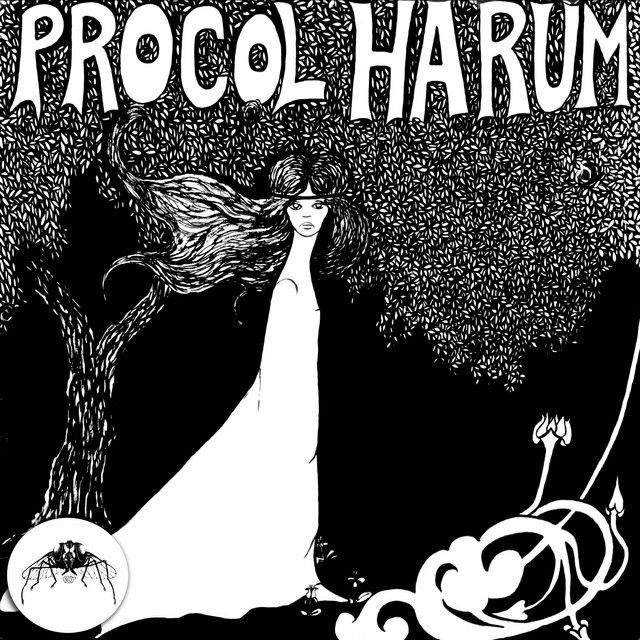
Written by Gary Brooker and Keith Reid, "Conquistador" first appeared on Procol Harum's 1967 debut album, then became a bigger hit through the 1972 live recording with the Edmonton Symphony Orchestra, which reached No. 16 on the U.S. Billboard Hot 100 and No. 22 in the UK. Those release details and chart facts are widely documented in reference sources on the song's history.
A Dead Conqueror at the Center
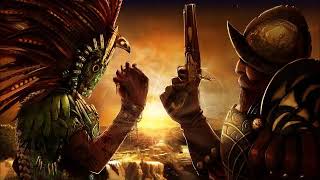
Factually, the lyric addresses a fallen conquistador. The singer is not watching battle happen in real time. They are standing before the remains of a man who once carried power, armor, and a weapon, but now looks empty.
That is why the imagery matters so much. Short phrases like your stallion stands
, lost its sheen
, and the sand has taken seed
show decay overtaking old symbols of rank. The horse needs company, the armor has dulled, and nature is moving into the warrior's equipment. The song turns military pride into stillness and erosion.
Interpretation: this is less about one historical soldier than about the failure of conquest itself. The conquistador becomes a monument to human arrogance.
Watch the official Conquistador
music video
From Mockery to Regret
One of the most striking things in the song is the speaker's emotional shift. Early on, they seem detached and almost sarcastic. The dead man's purity is questioned, and his appearance is observed in cold detail.
By the final verse, that tone changes. The speaker admits, I came to jeer
but leaves with regret
. That is the emotional key to the whole song. They begin by wanting to expose a fraud, but end by seeing a tragic human limit.
This change gives the lyric depth. It refuses both easy hero worship and easy ridicule. The conquistador may have brought violence, but he is also shown as mortal, lonely, and defeated.
The Refrain's Empty Search
The repeated refrain is the most abstract part of the song, but it helps explain the speaker's state of mind.
And though I hoped for something to find
I could see no maze to unwind
Paraphrased, the speaker expected to discover some hidden truth, grand pattern, or moral puzzle in front of this fallen conqueror. Instead, there is no mystery to solve. The answer is blunt: death emptied the legend.
Interpretation: the refrain suggests disappointment not just with this one man, but with the whole myth of empire. The speaker looks for meaning in conquest and finds none.
Symbols That Carry the Song
Keith Reid's lyric packs several strong images into a short running time. Each one pushes the same theme from a different angle:
- The horse suggests status, movement, and command.
- The faded armor points to glory that cannot last.
- The vulture introduces death and scavenging.
- The sea and sand show nature reclaiming what humans try to rule.
- The untouched jeweled blade suggests wealth without purpose.
The closing thought, only die
, lands with force because the whole song has been moving there. The conqueror's sword, costume, and wealth cannot protect him from the oldest truth of all.
Why the Music Feels So Grand and Sad
The song's meaning is not only in the words. Its sound matters too. According to accounts of the song's origin, Gary Brooker wrote the music first, and Keith Reid said its Spanish flavor led him to the conquistador idea. That detail helps explain why the melody feels stately and theatrical.
The original 1967 version is compact, with piano, organ, guitar, and a tense psychedelic-rock atmosphere. The later live version with the Edmonton Symphony Orchestra made the drama much bigger. That recording, made after Procol Harum performed with the orchestra in Edmonton in 1971, became the famous hit version.
The orchestral scale makes the song's themes feel public and historical rather than private. Most memorable is the mournful trumpet coda, often described as mariachi-like in feel. It sounds less like celebration than a funeral salute. That ending underlines the lyric's verdict: the march of conquest ends in lament.
A Song About Empire, Ego, and Time
For many listeners, the meaning of Conquistador Procol Harum is broader than one dead soldier on a shore. The song can be heard as a warning about empire, colonial ambition, and the illusion that force creates lasting greatness.
It can also be heard more personally. Interpretation: the conquistador may represent anyone who builds an identity around winning, dominating, or appearing invincible. Time strips that image away.
That is why the song still works. It speaks in old-world imagery, but its message feels current. Success without wisdom can become emptiness. Victory without humanity can become failure.
Why It Still Resonates
The song endured partly because the live version gave it a huge emotional frame, and partly because Reid's lyric avoids simple preaching. It shows a body, some ruined objects, and a speaker whose feelings change. That restraint lets listeners do some of the work.
In the end, the song does not say history is neat or fair. It says that conquest is smaller than death, and pride is weaker than time. That idea gives the song its haunting power.
Disclaimer: This interpretation is based on the lyrics, documented song history, and widely cited commentary, but song meaning can remain open to individual listeners.







