Why "Veteran's Memorial" Hits So Hard
The meaning of Veteran's Memorial Prodigy comes through as both a tribute and a breakdown. This is not just a song about one loss. It is about a whole circle of friends, family members, and neighborhood figures who shaped Prodigy’s life and then disappeared, leaving memory as the only place they still feel close.
"Veteran's Memorial" - Prodigy
I flash back we was little niggas livin most real
1989's when we first met
Loading lyrics...
Unable to load lyrics
We're unable to display the lyrics at this time. Please try again later.
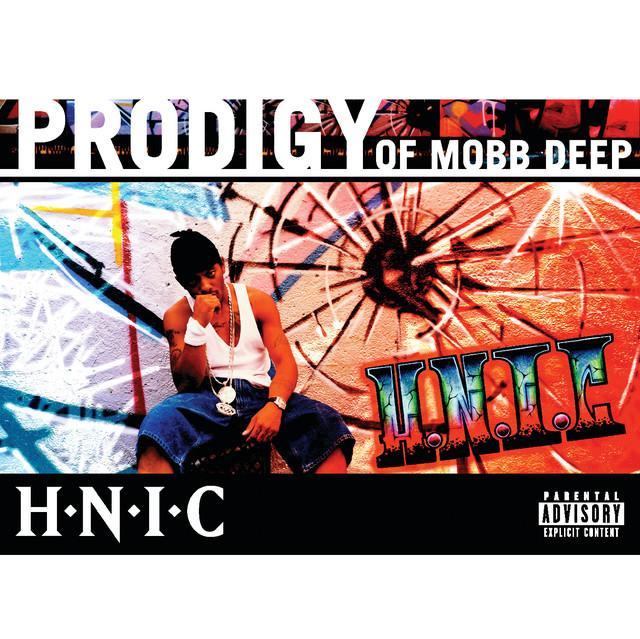
Released on Mobb Deep’s album H.N.I.C. and written by Alan Maman, Albert Johnson, and Al Johnson, the track sits inside Prodigy’s solo world rather than the duo’s usual back-and-forth style. That matters. They sound less like a street reporter here and more like someone building a memorial out of scenes, names, and pain.
A Memorial Built From Memory
At its core, the song is about survival after repeated loss. Prodigy starts by looking backward, almost like he is running old home movies in his head. When they say memories play like film, they frame the whole track as a replay of youth, friendship, and the early Queensbridge years.
Those early details matter because they make the dead feel alive again. They remember skipping school, hanging out in apartments, watching friends on the block, making rough music with simple gear, and dreaming before fame arrived. Short phrases like play the bench
and record and pause
do a lot of work. They show ordinary life, not glamorous legend. That is why the grief lands harder later.
Interpretation: the song argues that mourning is not only about death. It is also about the small routines that vanish with the people who shared them.
Watch the official Veteran's Memorial
music video
How the Verses Move Through Time
The first verse stays in childhood and adolescence. Prodigy places them in 1989, when friendships were still forming and identity was still being built. They remember the crew before success, before violence fully took over, and before everyone understood how fragile life was.
The second verse jumps to the mid-1990s, when Mobb Deep had become major rap figures. That shift is important. Success does not erase danger. Touring, overseas travel, and rap fame exist right beside dice games, weapons, and funerals. The contrast makes the song feel tragic: they got out in one sense, but they never escaped death’s reach.
The hook then pulls both timelines together. It asks how so much shared history can end in absence. The key emotional point is not just that people die. It is that all those years, jokes, fights, meals, and plans somehow reduce to remembrance.
The Hook Turns Nostalgia Into Grief
The chorus is the emotional center of the song. Prodigy imagines seeing a woman with a dead friend’s children or finding an old photo from 125th Street. Those passing moments trigger a flood of emotion.
The line about wishing they could begin again is especially important. In plain terms, they are not asking to rewrite fame or career choices. They are asking for one more chance to be with the people they lost before life hardened and split everyone apart.
Who would thinkanyone would cease to exist? Left with thoughts of the past, trying to reminisce.
That brief section sums up the whole song: disbelief, memory, and the helpless work of keeping the dead present.
Why the Last Section Feels Almost Too Real
One of the strongest parts of the track is the ending, where Prodigy stops rapping in structured verse and starts naming the dead in a broken, emotional monologue. This section sounds less polished and more exposed. They list friends, relatives, even unborn children, and the song becomes a direct address to loss itself.
That spoken ending changes the song’s meaning. Up to that point, the track is crafted and reflective. After that, it feels immediate and unstable, as if memory has overwhelmed form. The repeated insistence that nothing else can be taken reads like defiance, but also fear. They sound like someone trying to bargain with grief after it has already won too many times.
Interpretation: this is why the title matters. A memorial usually sounds formal and finished. Here, the memorial is still happening in real time.
Sound, Production, and Emotional Weight
The production supports that feeling of haunted remembrance. The song is credited to The Alchemist, whose work often uses dusty loops, dark textures, and slow-moving drums; his production discography is widely documented by outlets like AllMusic. On this track, the beat does not rush. It leaves room for recollection.
That slower pace helps the listener sit inside each memory. The instrumental feels heavy but not explosive, which fits a song about carrying grief for years. Instead of building toward triumph, the beat circles, almost like thought itself. That gives phrases like cease to exist
and start it all over again
extra force.
Prodigy’s delivery also matters. They rap with control for most of the track, which keeps the pain from turning sentimental. Then the voice loosens at the end, and the rawness breaks through. That contrast is one reason many listeners hear the song as one of their most personal recordings.
Artist Context Deepens the Meaning
Prodigy was central to Mobb Deep, the Queensbridge duo whose work helped define a darker, more realistic East Coast rap sound, as covered by sources like Britannica and The Recording Academy. In that larger context, “Veteran’s Memorial” feels like a solo extension of themes already present in their catalog: loyalty, trauma, survival, and the cost of street life.
But this song is more intimate than most of their famous records. It does not just describe the environment. It mourns the people inside it. That makes the meaning of Veteran's Memorial Prodigy more personal than political, even though the social backdrop is always there.
Final Take on the Song's Meaning
In the end, the song is about what remains after loss: scenes, names, habits, handshakes, and pain. It honors the dead by refusing to flatten them into symbols. They were friends, family, kids on the block, and parts of a shared world.
That is why the track still resonates. It treats memory as both comfort and wound. Interpretation: Prodigy suggests that love does not end with death, but it does change into a lifelong act of remembering.
Disclaimer: This article offers an interpretation based on the lyrics, recording context, and publicly available credits. Meaning can vary from listener to listener.








