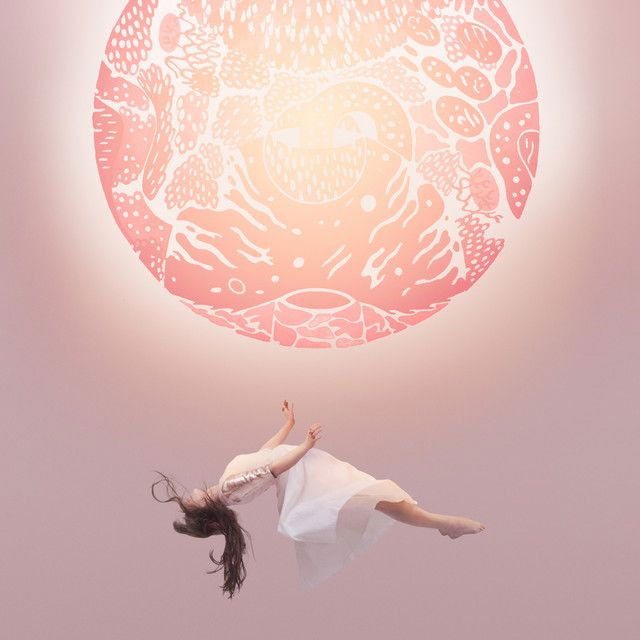
Heartsigh by Purity Ring
A song that feels like a hand on the shoulder in the dark, Heartsigh opens Purity Ring’s 2015 album Another Eternity with a promise both tender and uneasy. For listeners searching the meaning of Heartsigh Purity Ring, the track reads like a dream-sworn vow to carry someone’s pain—yet it also questions what care becomes when it turns enclosing.
"Heartsigh" - Purity Ring
I won't forget to close your eyes for you
I'll sing before you lie down, down
Loading lyrics...
Unable to load lyrics
We're unable to display the lyrics at this time. Please try again later.
A Lullaby for the Overwhelmed
At its core, the song is a lullaby for a person under heavy strain. The narrator speaks softly—Whisper, whimper on
—as if granting permission to be fragile. They pledge to soothe and to guard, but their language keeps circling walls, floors, and hidden spaces.
Interpretation: the narrator wants to protect a beloved who is exhausted or grieving. The comfort is real. So is the weight of it.

Watch the official Heartsigh
music video
Who’s Talking in This Dream?
The voice is first-person, addressing a specific “you.” It is intimate and hands-on, promising action: I’ll build a house around you
. That house suggests safety, but also control.
This double edge runs through the whole lyric. The caretaker holds, hushes, and covers—but they also gather the other person so tightly that boundaries blur.
The Story in Motion
Think of the song as four moves:
- Soothe: The speaker promises rest and ritual care, like tucking someone in.
- Enclose: The shelter grows; a moat appears—
Stir a moat until you drown
—hinting that protection can suffocate. - Absorb: The refrain vows to
Whisk away your heart sigh
, as if lifting pain right out of the body. - Endure: A mantra follows—
Carry on, wearily on
—turning the lullaby into a survival spell.
Interpretation: the narrative tracks from comfort, to containment, to self-sacrifice, to resigned persistence. The care becomes a system—loving, but heavy.
Symbols that Seal and Shelter
The song’s objects feel domestic yet eerie: floors, drawers, houses, moats. They describe emotion like architecture. The home is a haven, but also a sealant. Tears “drip from the drawers,” which suggests grief stashed in ordinary places. The phrase Only lonely
repeats like a tag, shrinking the world to the two of them and, sometimes, to one.
Water and sleep imagery blur comfort with danger. A moat is safety by separation; drowning is what happens when separation goes too far. Heartsigh captures that thin line between cocooning and closing off.
Sound Choices that Carry the Theme
Musically, Heartsigh maps this protect-and-enclose idea into sound. The tempo sits in a midrange that feels like breathing—unhurried, steady. Synth pads bloom in wide, glassy layers, while sub-bass moves like a soft undertow. Clicky, trap-leaning percussion snaps against those clouds, giving the lullaby a spine.
Megan James’s vocal is close-miked and translucent, with reverb that places her in a dim, reflective room. Corin Roddick’s production favors luminous synth leads and chime-like tones, cleaner and brighter than the duo’s hazier debut. As the chorus returns, the mix swells rather than explodes, matching the lyric’s promise to absorb pain rather than blast it out.
The song’s structure is cyclical, not climactic. That looped feeling mirrors the mantra of caring through exhaustion: you keep showing up, breath after breath, until sleep—or morning—finally arrives.
The Chorus as Promise
The hook centers on removal—taking the “heart sigh” away and holding it. Interpretation: the heart sigh is the soft exhale after crying, the leftover ache. By offering to carry it, the narrator claims both love and power. This is comfort, but it is also authorship over another’s pain.
That tension makes the refrain moving. It frames care as an act of intimacy that risks becoming possession: your sorrow is safe with me because it is now inside me.
Why the Meaning Endures
For many listeners in the United States, the meaning of Heartsigh Purity Ring resonates as a portrait of caretaking in hard times—depression, grief, burnout, or the slow drag of a relationship that needs more rest than it gets. The images are simple but layered. Walls keep weather out; they also keep people in. Drawers hide mess; they also hide needs.
Interpretation: the song invites lovers, friends, and caregivers to see the cost of unending sheltering. It honors the impulse to protect, and it quietly asks how far that shelter should extend.
Final disclaimer: Song interpretations vary. This reading reflects one informed take on the lyrics, context, and production—not definitive fact.
Sources
- https://pitchfork.com/reviews/albums/20238-purity-ring-another-eternity/
- https://www.rollingstone.com/music/music-album-reviews/another-eternity-76660/
- https://www.npr.org/2015/02/22/385750308/first-listen-purity-ring-another-eternity
- https://www.thefader.com/2015/03/04/purity-ring-interview-another-eternity
- https://www.discogs.com/release/6680442-Purity-Ring-Another-Eternity









