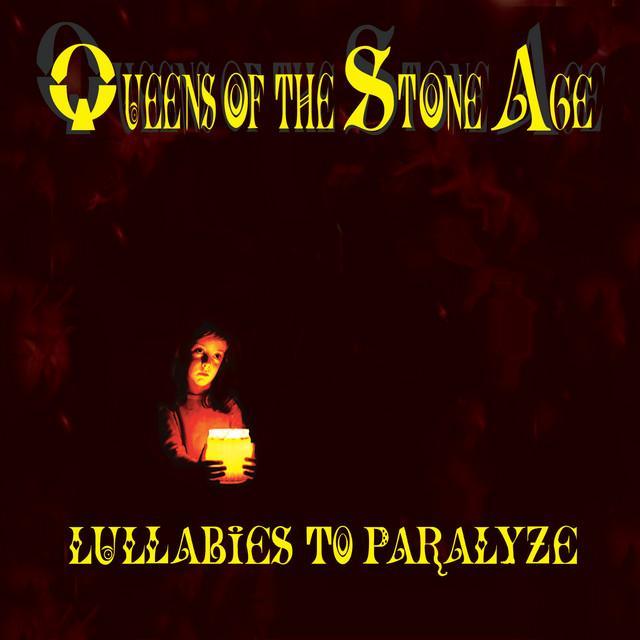
Why ‘Burn the Witch’ Feels Like a Public Trial
The meaning of Burn the Witch Queens of the Stone Age comes into focus when they treat accusation like a ritual. On the surface, the song uses images of a witch hunt, a crowd, and fire. Under that surface, it points to public judgment: how fast people choose a villain, how gossip hardens into “truth,” and how silence can make the target seem even guiltier.
"Burn The Witch" - Queens of the Stone Age
Burn the witch
Burn the witch
Loading lyrics...
Unable to load lyrics
We're unable to display the lyrics at this time. Please try again later.
Factually, “Burn the Witch” appeared on Lullabies to Paralyze in 2005 and was later released as a single in 2006. It was written by Joshua Homme, Troy Van Leeuwen, and Joey Castillo, and produced by Homme and Joe Barresi, according to Wikipedia.
The Core Idea Hiding Inside the Fire
At its heart, the song is about persecution. The Salem witch-trial imagery is not there just for shock or gothic flavor. It gives the band a way to describe what happens when fear, rumor, and group anger all feed each other.
Interpretation: the repeated title phrase works like a chant from a crowd that has already made up its mind. The target no longer matters as a person. They become a symbol the mob can destroy.
That is why lines about children, oaths, and secrecy matter so much. When the song says the first to speak
, it suggests that whoever shapes the story first can control the blame. When it adds bite your tongue
, the pressure becomes social as well as physical. People are told to stay quiet, protect themselves, and let the crowd decide.
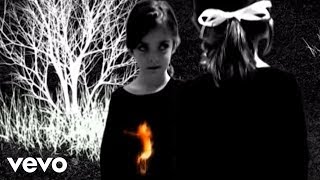
Watch the official Burn The Witch
music video
Josh Homme’s Real-Life Context
The song’s meaning becomes sharper with artist context. According to Songfacts, Josh Homme later explained that he felt persecuted after firing former bandmate Nick Oliveri. Homme said he kept quiet about the reasons, expecting privacy to be respected, but instead felt attacked by public reaction.
That does not mean the song is a literal diary entry. It means the witch-hunt image had a real emotional source. Homme used a historical metaphor to turn personal frustration into something bigger and more dramatic.
Interpretation: this is why the lyrics do not sound defensive in a normal way. Instead of arguing point by point, they stage a public execution of reputation. The song is less about proving innocence than showing how ugly accusation can become once a mob wants blood.
How the Verses Build a Mob Scene
The verses move with a strange mix of playfulness and menace. The opening image, holding hands
and skipping, sounds almost childish. But that innocence curdles fast. The scene starts to feel like a nursery rhyme crossed with a punishment ritual.
That contrast is one of the song’s smartest tricks. A community can make cruelty feel normal, even cheerful, when everyone joins in. The image of people moving together suggests social pressure before the fire imagery even arrives.
Then the song shifts toward confession and rumor. The question burn in hell
sounds like moral panic, while the references to writing something down and casting it away suggest secret guilt, forced testimony, or invented evidence. Soon the crowd appears directly, and the lyric about the mob
crying for blood makes the target’s situation unmistakable.
One Brief Glimpse of the Song’s Logic
Fan the flameswith a little lie
Then turn away until it fades
This short moment captures the whole structure of the song. First comes exaggeration. Then comes denial. People create the damage, then act innocent once the destruction is done.
What the Chorus Really Does
The chorus is brutally simple, and that simplicity matters. By hammering the title again and again, the band removes nuance on purpose. The crowd’s language becomes one command.
Interpretation: repetition here is the sound of dehumanization. Once the chant starts, nobody has to think. They only have to join in.
The closing image of ash and bone
pushes that idea to its end point. It is not just punishment. It is total erasure. The accused person is reduced to remains, as if the crowd needs complete destruction to feel satisfied.
Why the Music Sounds So Dangerous
The song’s meaning is not only in the words. It is also in the swagger and weight of the arrangement. “Burn the Witch” blends hard rock force with bluesy menace, which fits the band’s style during the Lullabies to Paralyze era. The track also features Billy Gibbons of ZZ Top on lead guitar and backing vocals, a collaboration noted by both Songfacts and Ultimate Classic Rock.
That guest spot matters because Gibbons brings grit and authority. His presence makes the song feel older, meaner, and more rooted in American blues and outlaw imagery. The vocal interplay around Homme also helps. Different voices can sound like witnesses, judges, or even members of the crowd.
The drums keep things marching forward, almost like a procession. Meanwhile, the guitar tone stays dirty and sharp rather than polished. That roughness supports the theme: this is not a clean moral debate. It is a public roughing-up.
Two Strong Ways to Read It
There are at least two solid readings of the song:
- Personal persecution. In this reading, Homme turns backlash into art. The witch-hunt metaphor reflects what it feels like to be condemned without the full story being known.
- A broader warning about mob justice. Even without band history, the lyrics stand on their own as a study of rumor, fear, and social violence.
These readings do not cancel each other out. They reinforce each other. A specific personal conflict gave the song its spark, but the writing reaches beyond one incident.
Why “Burn the Witch” Still Lands
Part of what keeps this song alive is how familiar its social pattern still feels. People still rush to judgment. Crowds still reward certainty over patience. Stories still get twisted because a neat villain is easier to handle than a messy truth.
So the meaning of Burn the Witch Queens of the Stone Age is ultimately about what happens when accusation becomes entertainment and punishment becomes communal bonding. They turn old witch-trial imagery into a modern portrait of scapegoating.
That is an interpretation, not a final verdict. Like many Queens of the Stone Age songs, its power comes from leaving enough ambiguity for listeners to bring their own fears about blame, shame, and public cruelty into the fire.








