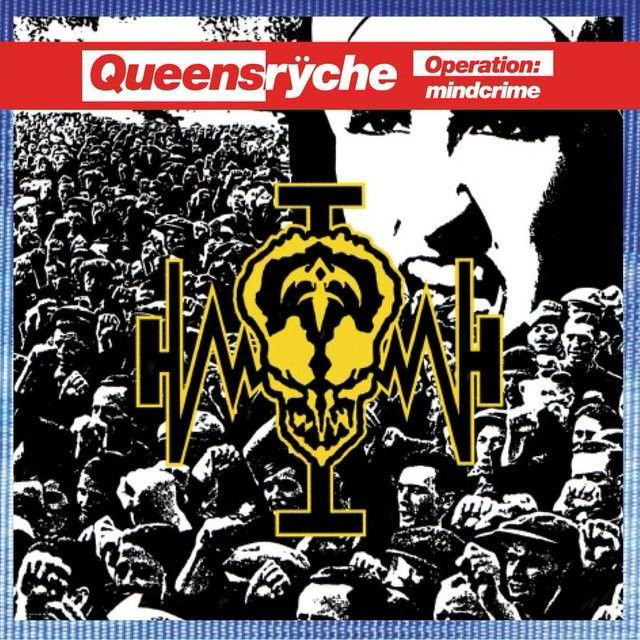
The Mission by Queensrÿche: Meaning and Mindset
The meaning of The Mission Queensrÿche comes down to a hard question: what happens when a person gives their whole identity to a cause? In this song, they present a narrator who sounds torn between conviction and collapse. He believes his purpose mattered, yet he is also isolated, haunted, and desperate for relief.
"The Mission" - Queensrÿche
Beside my window
I wear a face born in the falling rain
Loading lyrics...
Unable to load lyrics
We're unable to display the lyrics at this time. Please try again later.
Rather than sounding like a simple victory song, “The Mission” feels like the diary of someone who has paid a terrible personal price. That tension is what gives the track its depth.
A Portrait of Faith, Duty, and Damage
At the surface level, the lyrics describe a person waiting in hiding after carrying out orders. He sits alone, surrounded by ritual-like details, replaying the past and trying to make sense of what he has done. Short phrases like Holy pain
and wash my sins away
suggest that he sees his suffering in moral or spiritual terms.
Interpretation: the song is about political extremism, secret missions, or revolutionary violence reframed as sacred duty. The narrator talks like someone who has been taught that obedience serves history itself. But the lyrics also show the emotional wreckage left behind.
That is why the chorus matters so much. When he claims My mission saved the world
, the line can sound proud, but the verses make it unstable. The song asks whether that belief is truth, propaganda, or self-protection.

Watch the official The Mission
music video
The Speaker Lives Inside a Private Prison
The setting is small and claustrophobic. They place the narrator in a room, in a chair, by a window, with candles and shadows. This imagery makes his world feel sealed off from ordinary life.
He does not sound like a hero enjoying triumph. He sounds trapped inside memory, ritual, and guilt. Even when he speaks about purpose, the physical details point back to loneliness. The walls, candlelight, and rain all turn his room into a kind of mental cell.
Why the “Sister” Matters
One of the song’s most important figures is the “sister.” The narrator waits for her because she can ease sorrow and cleanse him emotionally. The lyrics do not define her clearly, which opens the door to more than one reading.
Interpretation: she may be a literal caregiver, lover, or nun-like figure. She may also symbolize absolution itself—a personification of mercy in a life built on violence. That ambiguity is central to the song’s power.
How the Story Moves From Recruitment to Ruin
The narrative unfolds in stages:
- The narrator sits alone in the aftermath.
- He recalls receiving orders from above.
- He remembers being chosen when younger for a “new society.”
- He repeats the belief that the mission changed the world.
- He ends by merging his personal story with a larger underground movement.
That timeline shows a person shaped by ideology from early on. He was not just asked to do something; he was formed into someone. The line about being picked when young suggests indoctrination as much as destiny.
The underground will rise
we'll all stand proud
Those lines widen the frame from one broken individual to a collective cause. The ending sounds bigger and louder, but not necessarily healthier. It suggests that private pain has been absorbed into group identity.
Symbols That Carry the Song’s Weight
Several images keep the meaning sharp:
- Candles: memory, ritual, mourning, and confession.
- Rain: grief, cleansing, and emotional exposure.
- Walls: secrecy, paranoia, and a life boxed in.
- Sins: guilt that ideology cannot fully erase.
- Mission: a word that mixes military duty with religious calling.
These symbols matter because the song never presents violence in direct, graphic detail. Instead, it focuses on the emotional system around it: belief, shame, waiting, and repetition.
That is why delivery of pain
is such a striking phrase. It reduces action to function, almost like a task on a list. The coldness of that wording makes the narrator feel even more damaged.
How Queensrÿche’s Sound Supports the Meaning
Queensrÿche built a reputation on ambitious, thought-driven hard rock and progressive metal, especially in the late 1980s and early 1990s. Songwriting by Chris DeGarmo helped shape that melodic but dramatic style, and he is credited here as the writer. Their broader catalog often explored power, control, and systems of belief.
Musically, “The Mission” works because the arrangement balances introspection with lift. The verses feel tense and inward, matching the narrator’s isolation. The chorus opens up emotionally, which mirrors his need to believe his suffering had purpose.
Interpretation: that contrast is the key production idea. The music gives the mission grandeur, while the lyrics reveal its human cost. Together, they create a song that sounds stirring without being simple.
A Song About Conviction Under Pressure
For listeners searching for the meaning of The Mission Queensrÿche, the strongest answer is this: it is a study of conviction after the damage is done. The narrator clings to purpose because the alternative would be unbearable. If the mission did not save the world, then all the pain, guilt, and isolation were for nothing.
That is what makes the song memorable. It does not only ask what people fight for. It asks what stories they tell themselves so they can keep living with the consequences.
Disclaimer: This interpretation is based on the lyrics provided, known band context, and musical analysis. As with most songs, different listeners may hear different meanings.








