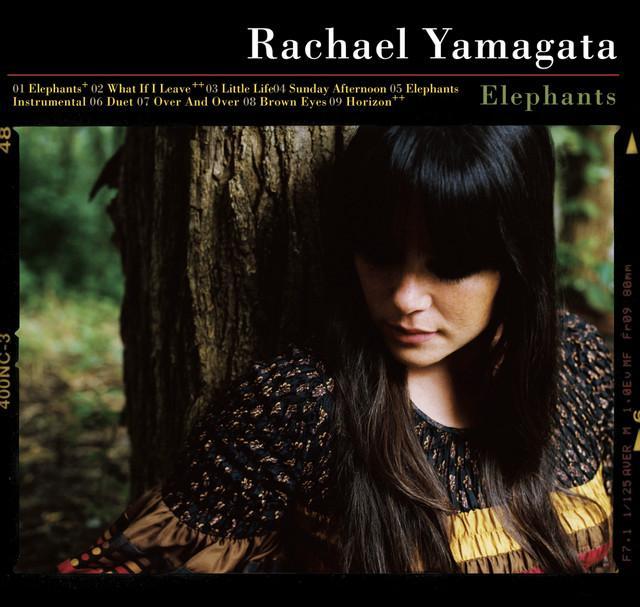
Duet by Rachael Yamagata
The meaning of Duet Rachael Yamagata centers on love tested by distance, pride, and time. The song speaks in a soft, pleading voice, but it is not weak. Instead, it sounds like someone trying to hold a relationship together while life keeps pulling both people in different directions.
"Duet" - Rachael Yamagata
Till I come back again
For these arms are growing tired,
Loading lyrics...
Unable to load lyrics
We're unable to display the lyrics at this time. Please try again later.
Rachael Yamagata is known for emotionally direct songwriting and piano-led pop/rock work, as noted in artist bios and discographies such as AllMusic. That context matters here. “Duet” fits her style: intimate, wounded, and honest without becoming overly ornate.
Where the Heart of the Song Lives
At the most basic level, the song is about waiting for a lover to come back. The speaker asks for patience and believes that hurt feelings can calm down over time. Early on, the plea hold on
frames the whole song as a request for emotional endurance.
But the track is not only about romantic waiting. It is also about the strain between love and motion. The speaker admits that the path they chose is calling them elsewhere, which means this separation is not just bad luck. It may be partly self-created.
Interpretation: That makes the song more complex than a simple reunion ballad. It suggests they want closeness, yet they are also drawn toward something beyond the relationship—possibly ambition, restlessness, or personal change.

Watch the official Duet
music video
One Voice, Two People, Shared Memory
Even though the song is called “Duet,” the lyric mostly presents one speaker. The title likely points to emotional duality rather than literal back-and-forth singing. They keep speaking in ways that include both lovers, especially when the lyric recalls what they promised in bed and imagines a future reunion.
That memory is important because it acts like proof. The relationship is not built on fantasy alone; it rests on words once spoken in private trust. When the speaker says come back home
, “home” feels less like a house and more like the place where both people were most honest with each other.
A Story of Leaving, Regret, and Hope
The narrative unfolds in clear stages:
- First, the speaker asks the lover to wait.
- Then they promise that anger will fade.
- Next, they admit they are lost and pulled away by the road they chose.
- After that, forgiveness enters the song.
- Finally, the ending imagines reunion and a larger shared destiny.
This movement gives the song its emotional shape. It starts as a plea, becomes a confession, and ends as a vow. The phrase the road I've chosen
is especially revealing because it shows agency. They are not only abandoned; they are also implicated in the distance.
How Key Lines Deepen the Meaning
Several short phrases reveal the song’s strongest themes. The image of arms are growing tired
suggests exhaustion—not just physical, but emotional. Waiting, explaining, and hoping have all become draining.
Later, anger will settle down
shows that conflict sits between the lovers. The song does not pretend the relationship is pure or easy. There has been damage. Still, the speaker believes time can cool what words once inflamed.
The most interesting turn comes near the end with make history
. That phrase suddenly widens the song’s world. The couple is no longer just trying to survive a rough patch. They are trying to become part of something larger than the present pain.
"We'll be back soon as we make history."
Interpretation: This closing thought can sound hopeful, but it can also sound fragile. The speaker may be using grand language to keep despair away. In other words, the promise of a bigger future might be sincere—or it might be the only story they have left to believe.
The Sound They Likely Hear in the Song
Without overclaiming specific production details not provided here, the song’s pop framing matters. Pop often depends on repetition, melodic clarity, and emotional immediacy. Those qualities match the lyric’s directness.
Yamagata’s work often leans on expressive vocals and understated arrangements, according to broad career coverage at AllMusic. In a song like this, that kind of delivery would heighten the tension between softness and ache. A gentle melody can make regret feel more intimate, while repeated phrases can mimic the cycle of remembering, pleading, and promising.
Two Strong Readings of “Duet”
Reading One: A love song about reconciliation
This is the clearest reading. Two people are apart. Harsh words were said. One of them wants to repair the bond and believes forgiveness is still possible.
Reading Two: A song about love versus calling
Interpretation: The “road” may symbolize a creative or personal path that takes the speaker away from stability. In that reading, the song becomes about the cost of choosing movement, work, or self-discovery when someone they love wants them near.
The title “Duet” then becomes almost ironic. A duet requires harmony and shared timing, yet the song captures two lives falling out of sync.
Why the Song Still Lands
The meaning of Duet Rachael Yamagata lasts because the song understands a very common fear: that love can remain real even when timing fails. It does not offer a perfect fix. Instead, it gives listeners a believable emotional mix of guilt, tenderness, memory, and hope.
That balance is what makes the lyric effective. They do not just say love hurts. They show how love survives inside apology, distance, and unfinished plans.
Final takeaway
“Duet” is best heard as a song about trying to keep a shared promise alive when life has already complicated it. Its power comes from how gently it admits fault while still reaching for reunion.
Disclaimer: This interpretation is based on the lyrics provided and publicly known artist context. As with any song, listeners may reasonably hear different meanings in it.








