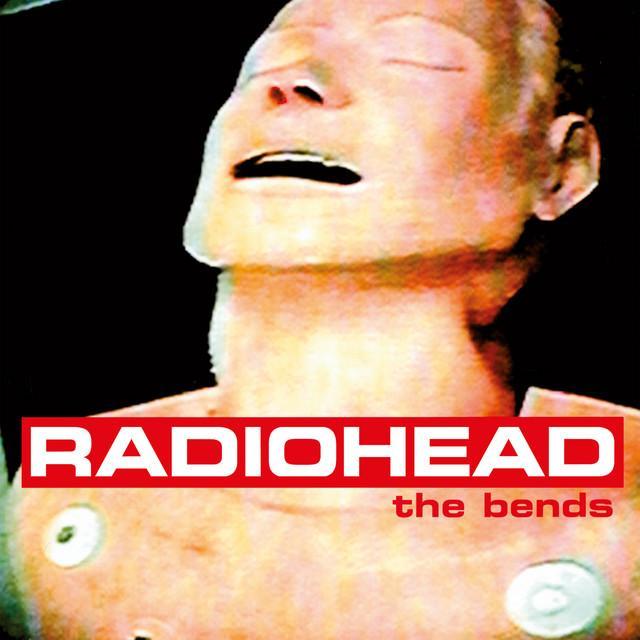
Why 'The Bends' Feels Like Emotional Freefall
The meaning of The Bends Radiohead starts with a feeling many listeners know well: the sense that life is speeding up while the mind falls behind. Radiohead turn that panic into a song that sounds huge, restless, and wounded. It is not just about sadness. It is about dislocation—social, emotional, and even physical.
"The Bends" - Radiohead
Oh, oh, oh
Where do we go from here?
Loading lyrics...
Unable to load lyrics
We're unable to display the lyrics at this time. Please try again later.
Released on The Bends in 1995, the song was actually written earlier, in 1992, before Radiohead's breakout with “Creep,” according to documented release history and band commentary gathered in major reference sources. It was later recorded at Manor Studio with producer John Leckie. That timeline matters, because it complicates the simple claim that the song is only about fame.
A Portrait of Panic, Dirt, and Doubt
On the surface, the narrator sounds isolated and mentally frayed. The song opens with uncertainty and broken communication, then moves into imagery of travel, sickness, and emotional exposure. When the voice asks where someone is “when I need you,” the plea feels intimate, but the world around it feels unstable.
A key part of the song's emotional force is its fear that there may be nothing solid inside the self. The line about needing to wash again suggests shame, contamination, or the wish to strip away a false image. Then the song turns to friendship and trust, using real friends
as a painful test. They do not sound sure who can be counted on.
Interpretation: This makes the song less a story than a psychological spiral. It tracks what happens when insecurity spreads from the body to relationships to the entire world.
Watch the official The Bends
music video
Why the Title Matters So Much
The title refers to decompression sickness, a real condition caused by rapid pressure change. Radiohead use that idea as a metaphor for emotional and social whiplash. The speaker seems unable to adjust to the pressure around them.
That helps explain why the body imagery is so strong. My blood will thicken
and the famous refrain got the bends
make distress feel physical, not abstract. They are not just unhappy; they sound chemically wrong, as if the environment itself is making them ill.
Friendship as the Song's Hidden Core
Thom Yorke later said the song was about “knowing who your friends are,” a brief comment often cited in discussions of the track. That idea sharpens the chorus. Beneath the dramatic imagery, the song keeps returning to one fear: crisis reveals how alone a person really is.
So the illness metaphor does two jobs at once. It describes pressure from the outside, but it also exposes what pressure uncovers on the inside.
The "Sixties" Line Is Probably a Joke With Teeth
One of the song's most discussed moments is the wish for another era. Some listeners hear longing. Others hear sarcasm. The second reading has strong support.
Yorke said he was partly taking the piss
when he wrote the song, and later pushed back against people taking every line literally. Critics have also connected the song to a swipe at 1960s nostalgia and Britpop's backward glance. In that light, the wish to be happy “like the sixties” sounds less like sincere nostalgia and more like contempt for easy cultural myths.
Interpretation: The song may be mocking the fantasy that another time, another trend, or another scene could fix a damaged inner life.
From Barroom Drift to Global Paranoia
A striking feature of the lyrics is how quickly they expand. The song begins with private confusion, then widens into surreal political menace. There is a line about the planet as a gunboat, and later references to the CIA and Marines. These details are so oversized that they can sound absurd.
That absurdity seems intentional. The song mixes ordinary depression with cartoonish paranoia, as if a bad mood has swollen into a worldview. The result is unsettling but also darkly funny.
I want to live, breathe
I want to be part
of the human race
This is the song's clearest emotional center. After all the dirt, waiting, and suspicion, the real desire is simple: belonging. They do not want glamour or coolness. They want to feel human again.
How the Sound Carries the Meaning
Musically, “The Bends” is one of the most dynamic songs on the album. Reference sources describe it as having five distinct sections, loud-quiet contrasts influenced by the Pixies, and a dense guitar arrangement shared across the band. That structure mirrors the lyric's instability.
The guitars arrive in waves, shifting from tension to release and then back again. Yorke's vocal is not calm or polished in an easy way; it strains upward, giving the song its feeling of near-breakdown. Critics have called it a roaring, soaring performance, and that combination is exactly why the song lands.
Producer John Leckie reportedly helped trim earlier versions that felt too bombastic, while small ambient cassette sounds were added to soften the opening. That detail matters because it shows Radiohead balancing arena-sized force with unease and fragility.
The Best Way to Read the Song Today
The meaning of The Bends Radiohead is best understood as a layered song about pressure. Factually, it predates the band's fame narrative, so it should not be reduced to a single commentary on celebrity. But emotionally, it still fits the experience of public stress, social distrust, and identity slippage.
Interpretation: The song works because it is both personal and cultural. It is about one person's unraveling, but also about a wider world of fear, irony, and false promises.
That is why it still connects. It turns anxiety into a physical event, then asks a basic question beneath all the noise: how can someone stay human when everything feels chemically, socially, and emotionally off?
Disclaimer: This interpretation combines documented context with informed reading of the lyrics and sound. Like many Radiohead songs, “The Bends” remains open to more than one meaning.







