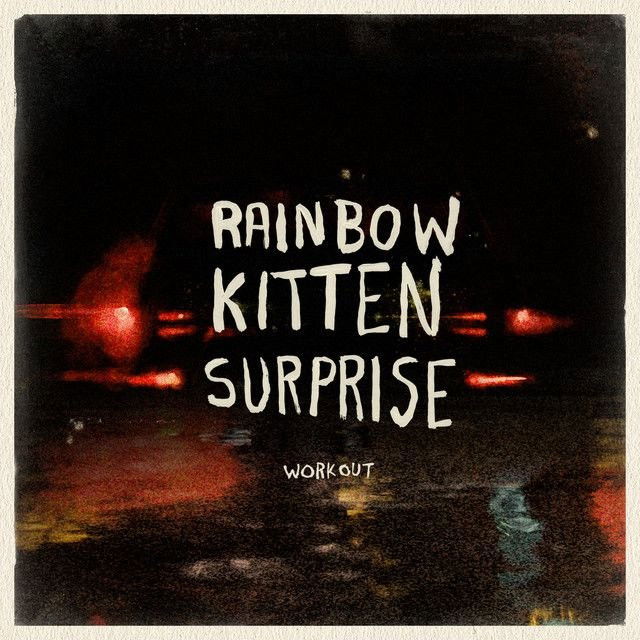
Work Out by Rainbow Kitten Surprise
A breakup song on the move, "Work Out" turns the road into a map of hurt, memory, and uneasy healing.
"Work Out" - Rainbow Kitten Surprise
Provided by LyricFindWell, there's two sides to my taillights
And they both don't work right
There's a motel on the highwayLoading...Loading lyrics...
Unable to load lyrics
We're unable to display the lyrics at this time. Please try again later.
Why This Breakup Song Hits So Hard
The meaning of Work Out Rainbow Kitten Surprise centers on emotional aftermath. This is not a song about a dramatic breakup in one moment. It is about what comes after: the miles, the replaying, the anger, and the slow effort to carry pain out of the body.
At its core, the song follows a narrator who knows the relationship is over but still feels marked by it. They remember tenderness, but they also see manipulation and damage more clearly now. That split explains why the lyrics move between grief and sharp resentment.
Interpretation: the title matters because "work out" suggests both problem-solving and physical release. The narrator is not simply sad; they are trying to process pain through movement, distance, and song.

Watch the official Work Out
music video
The Speaker Sounds Done — But Not Unhurt
One of the song's strongest ideas is contradiction. The narrator has deleted the number, kept driving, and recognized the relationship as unhealthy. Yet they still circle back to the same wounds.
That tension shows up in phrases like we were a team
and you're toxic
. Put together, those lines create the song's emotional engine: a real bond existed, but it became corrosive.
The lyrics also suggest a power struggle. The other person criticizes, provokes, and keeps trying to stay present in memory. The narrator answers with distance, sarcasm, and refusal. When they say they passed the other person by and did not call, it feels like an act of self-protection, not indifference.
A Story Told Through Highways and Open Space
The road is more than scenery
The song keeps returning to driving images because motion helps explain the breakup. Two lanes on a highway
becomes a picture of two people moving in separate directions even when they once shared a path.
The early mention of taillights and a motel outside Nashville deepens that mood. Those details make the narrator seem unsettled and transient, as if heartbreak has pushed them into a life of temporary stops and late-night thinking.
Distance becomes emotional truth
Later, the song suggests that even closeness can feel distant. The relationship may still exist in memory, texts, or songs, but emotionally they are far apart. That is why the travel imagery works so well: roads imply both connection and separation.
Interpretation: the highway is a symbol of recovery that is not neat or linear. Healing means moving forward, but it also means carrying the past for a while.
Old Wounds, New Cuts, Same Pain
Another key pattern in the lyrics is repeated injury. The song compares emotional damage to cuts that heal, reopen, or bleed in new ways. This language turns heartbreak into something physical and visible.
When the narrator says the first hurt healed but later hits still drew blood, the point is clear: experience does not always make love safer. Sometimes it only makes someone better at spotting danger after the damage is done.
That idea connects to one of the song's most bitter turns, when I met you I regret you
. It is a harsh line, but it does important work. It shows how heartbreak can rewrite memory. What once felt exciting now looks like the start of a long collapse.
The Chorus Turns Love Into a Postmortem
The chorus is blunt, and that bluntness matters. Instead of romanticizing the past, it puts the relationship under harsh light. The song admits there was love, but it also insists love alone did not make the bond healthy.
That is why we were in love
lands with sadness rather than comfort. It sounds like a fact from another life, not something the narrator wants back.
Interpretation: the chorus acts like a verdict. The verses wander through memories and images, but the hook keeps returning to the same conclusion: what they had was real, and it still became harmful.
How the Sound Supports the Meaning
Rainbow Kitten Surprise are known for mixing indie rock, folk, and alternative textures across their catalog, as noted on the band's official site and Atlantic Records artist page. That background helps explain why "Work Out" feels restless rather than polished-flat.
The arrangement supports the lyric's push-pull emotion. The groove gives the song forward motion, like a car that keeps rolling even while the driver is stuck in thought. At the same time, the vocal delivery carries strain and bite, which makes the song feel personal instead of purely poetic.
Interpretation: even without a dramatic tempo shift, the performance sells instability. The music moves; the emotions stall and surge.
Artist Context Matters Here
The song was written by Charlie Holt, Darrick Keller, Ela Melo, Ethan Goodpaster, and Jess Haney. That shared writing credit fits a band whose songs often blend vivid imagery with emotional directness. Across Rainbow Kitten Surprise's work, relationships are rarely simple; they tend to be messy, embodied, and hard to escape.
That context makes "Work Out" feel consistent with the band's broader style. They often use unusual images to get at familiar feelings, and here the mix of highways, front porches, flashing lights, and old songs creates a breakup world that feels lived-in.
The Best Way to Read "Work Out"
The best reading is that the song captures the stage after a breakup when clarity has arrived, but peace has not. The narrator knows why they left. They know the other person hurt them. Still, they are stuck doing the emotional labor of untangling what happened.
That is the lasting meaning of Work Out Rainbow Kitten Surprise: healing is active, messy, and sometimes repetitive. The song does not promise closure. It shows someone trying to earn it mile by mile.
Disclaimer: This interpretation is based on the song's lyrics, performance, and available artist context. As with most songs, listeners may reasonably hear different meanings in it.








