Why 'The Rains of Castamere' Sounds Like a Threat
The meaning of The Rains of Castamere Ramin Djawadi, Serj Tankian starts with one simple idea: this is not really a song of grief. It is a song of power. On the surface, it tells a short story about a proud lord who refuses to submit. Under that, it works like a warning label for anyone who challenges House Lannister.
"The Rains of Castamere" - Ramin Djawadi ft. Serj Tankian
"That I must bow so low"
Only a cat of a different coat
Loading lyrics...
Unable to load lyrics
We're unable to display the lyrics at this time. Please try again later.
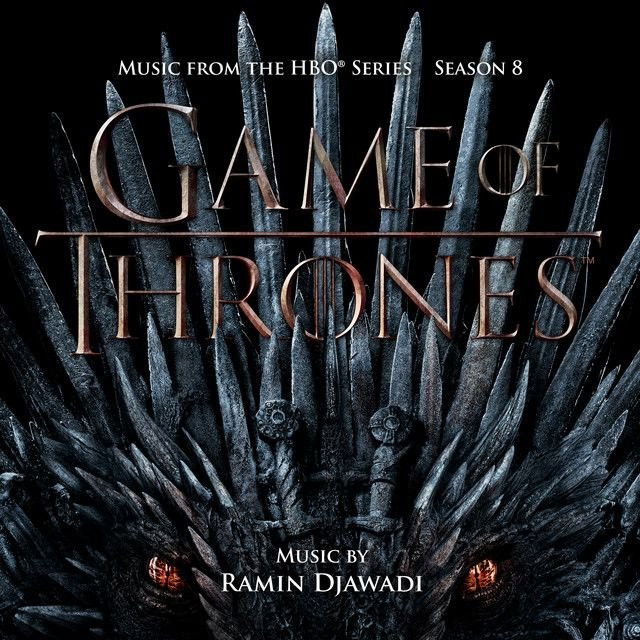
Ramin Djawadi composed the TV version of the tune, while George R. R. Martin wrote the original lyrics in A Storm of Swords. A later recording featuring Serj Tankian appeared on the Season 8 soundtrack. That version matters because Tankian’s voice brings out the song’s menace, sorrow, and theatrical doom all at once.
A Ballad About Pride Meeting Brutality
At the story level, the song recalls the destruction of House Reyne of Castamere, rebellious vassals crushed by Tywin Lannister. In the world of Game of Thrones, the song became a kind of Lannister anthem, and its history is summarized in the song’s background.
The opening challenge, paraphrased, is a lord asking why he should kneel. The key phrase proud Lord
tells listeners that pride is the first trait attached to him. Then the answer compares rival houses as versions of the same beast. When the lyric says a different coat
, it suggests that noble families may wear different colors, but they still fight for dominance in the same violent system.
That leads to the song’s cruel core: lions are still lions, no matter the color. The phrase still has claws
strips away courtly manners and reminds listeners that heraldry is really about force. The song’s worldview is blunt: status comes from survival, and survival comes from being more ruthless than the next house.

Watch the official The Rains of Castamere
music video
The Refrain Turns Memory Into a Warning
The chorus is where the song reveals its real job. It does not only remember the fall of Castamere. It performs that fall again and again.
the rains weep o'er his hall
not a soul to hear
These lines describe emptiness after total defeat. The hall, once full of wealth and family life, is now silent. The image of rain makes the scene sound mournful, but the emotional effect is colder than sadness. This is not a funeral song made to honor the dead. It is a victory song sung by the people who outlived them.
Interpretation: the repeated refrain turns history into intimidation. Every time the hook returns, it says the same thing: defiance ends in erasure. In that sense, the song behaves like political theater. It reminds enemies that the Lannisters do not just win; they make examples of people.
How the Lyrics Build the Theme
A lot of the song’s force comes from how little it says. The lyrics are short, direct, and almost ceremonial. That compact writing gives them the feel of an old warning passed from one generation to the next.
Three lyric ideas connect the whole piece:
- Pride invites confrontation. The lord refuses to bow.
- Similarity does not mean peace. Two lions can still tear each other apart.
- Memory becomes a weapon. The destroyed hall stands as proof of what happens next.
The line And so he spoke
is especially important. It sounds formal, almost like a chronicler recording a doomed speech. That distance makes the fall feel inevitable. Once the lord has spoken proudly, the song jumps straight to the aftermath. There is no battle scene, no plea, no escape. Only silence.
Why Ramin Djawadi’s Music Matters So Much
Djawadi’s composition is central to the song’s meaning. He gives the words a melody that feels old, noble, and deeply uneasy. Rather than sounding like a heroic march, the tune moves with slow certainty. That pace matters. It makes the threat feel patient, not frantic.
The arrangement also supports the Lannister image. The music is elegant, but there is very little comfort in it. It feels stately on purpose, as if power is being displayed with perfect control. In the series, the melody becomes tied to House Lannister as a leitmotif, so even instrumental uses can trigger dread before any violence happens.
Serj Tankian’s version pushes that tension further. His voice carries both classical drama and hard-edged intensity. He does not sing it like a campfire ballad. He sings it like a prophecy that has already come true. That choice deepens the meaning of The Rains of Castamere Ramin Djawadi, Serj Tankian: the song is not just about past punishment, but about the permanent aura of fear left behind.
The Game of Thrones Context Changes Everything
Outside the story, this is an impressive fantasy ballad. Inside Game of Thrones, it becomes one of the franchise’s most loaded symbols. Viewers learned to hear the tune as a sign that danger was near, especially because of its connection to the Red Wedding and other moments of Lannister dominance.
That context changes how the lyrics land. A phrase that might seem poetic on paper becomes terrifying once audiences connect it with betrayal, massacres, and political cruelty. The song’s cultural power comes from that overlap between narrative meaning and viewer memory.
Interpretation: one reason the song stays so memorable is that it collapses three things into one piece of music:
- family pride
- state violence
- the fear of being wiped from history
The Final Meaning Beneath the Ruins
In the end, the song is about what rulers want their enemies to remember. It says power lasts when fear lasts. It says noble pride can be crushed. And it says history is often written by the house that survives.
That is why this song lingers. It sounds beautiful, but its message is brutal. It turns a ruined hall into a lesson: challenge power, and power may leave nothing behind.
Disclaimer: This interpretation is based on the lyrics, the song’s use in Game of Thrones, and publicly available credits and context. As with any art, listeners may hear different meanings in it.









