Why 'I Wanna Riot' Feels So Dangerous
The meaning of I Wanna Riot Rancid comes down to one hard truth: this is not a party anthem. It is a song about a mind pushed toward explosion by violence, fear, and social decay. Rancid package that feeling in a fast, blunt punk track, but the lyrics point to damage, not freedom.
"I Wanna Riot" - Rancid
Took his money and his wallet left him dead on the ground
I saw them gather celebrate the crime
Loading lyrics...
Unable to load lyrics
We're unable to display the lyrics at this time. Please try again later.
The song is tied to the era around ...And Out Come the Wolves and was released as the B-side to Roots Radicals. According to the release history summarized by Wikipedia, I Wanna Riot
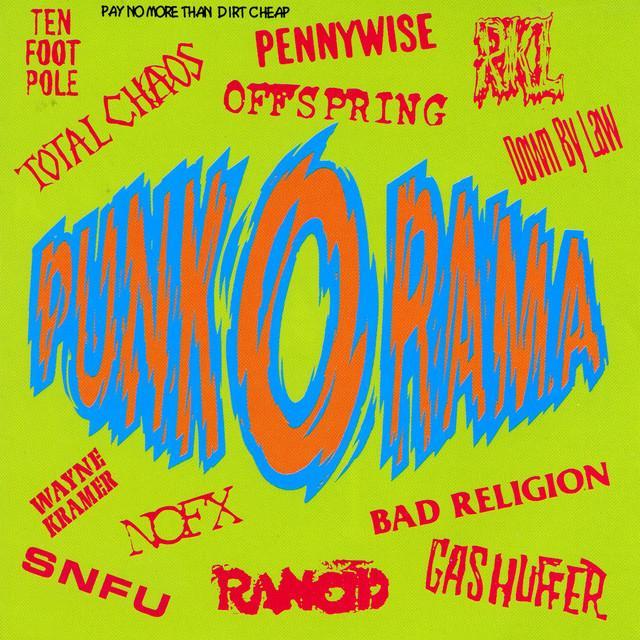
first appeared on Punk-O-Rama Vol. 1 in 1994, and another version with the Stubborn All-Stars later appeared on the Beavis and Butt-head Do America soundtrack in 1996. That context matters because Rancid were already known for mixing street-level realism with classic punk speed.
A Chorus That Sounds Like a Breakdown
At the center of the song is the repeated line I want to riot
. On the surface, it sounds simple. But the verses make it clear that this chant rises out of exposure to brutality and hopelessness.
The narrator watches a man get attacked and robbed, then sees other people celebrate the crime. That detail is key. The song is not just upset about violence itself. It is upset about a culture that starts to normalize it.
Interpretation: the chorus is less a political demand than a psychological confession. They present riot as the thought that enters when someone feels powerless long enough.
Watch the official I Wanna Riot
music video
Street-Level Scenes, Not Abstract Ideas
One reason the song hits so hard is that it stays concrete. The narrator sees bodies, sirens, heat, crowds, and panic. The city is described almost like a war zone, with phrases like city's on heat
and sirens in the night
turning the setting into a place of constant alert.
That imagery supports the bigger theme: public disorder creates private disorder. When a person lives inside chaos, they may begin to mirror it. The line about asking whether starting a riot would bring protection
is especially sharp. It suggests the speaker no longer trusts legal or moral systems to keep them safe.
Instead, they begin to imagine violence as a shield. That is the song’s darkest idea.
The Narrator Is Angry, but Also Lost
The lyrics do not present the speaker as heroic. They sound unstable, scared, and impulsive. When the narrator says they have a lot of problems
, Rancid bring the song inward. The riot fantasy is not only about society failing. It is also about a person failing to manage their own pain.
That is why the brick image matters. Throwing something through a window or into a crowd will not fix anything, but the speaker briefly imagines it might. The song captures that dangerous split second when rage pretends to be a solution.
A Quick Narrative Map
- They witness a brutal crime.
- They see society react with numbness or even pleasure.
- They ask whether joining violence brings safety or control.
- They spiral into fantasies of retaliation.
- The hook turns that spiral into a chant.
This structure keeps the song from feeling random. It traces how despair hardens into destructive desire.
Television, Trauma, and Moral Numbness
Late in the song, the narrator talks about changing the channel and turning into a monster. That moment expands the theme beyond one street corner. Violence is not only happening outside. It is also entering the home through media.
Interpretation: Rancid may be showing how repeated exposure to suffering can flatten empathy. A person watches, absorbs, and eventually starts to copy the aggression they consume. The line about an eternal battle
makes this feel ongoing, not temporary.
This is one of the strongest parts of the song because it links personal rage to a wider culture of spectacle. Pain becomes entertainment, and entertainment feeds more pain.
How the Sound Sells the Meaning
Rancid’s music often blends punk urgency with reggae and ska influences, though this track leans much harder into straight-ahead punk attack. The band’s broader history around Roots Radicals shows how rooted they were in punk and Jamaican musical influence at the same time, as noted in the song background on Wikipedia. Here, though, they mostly strip things down to speed, impact, and shout-along force.
The guitars feel clipped and aggressive. The drums push forward without giving the listener room to breathe. The gang vocals around the hook make the thought of riot feel contagious, which is exactly the point. The production style associated with this period of Rancid’s catalog, including work credited to Jerry Finn and the band on the Roots Radicals single page, helps the song land with sharp edges rather than polished distance.
In other words, the music does not comment on the anger from afar. It throws the listener inside it.
More Than Rebellion: A Warning
Some punk songs use riot language as a badge of cool rebellion. This one feels uglier than that. The details of death, debris, and emotional collapse suggest consequences from the start.
Interpretation: the song can be heard as a warning about what happens when people are surrounded by violence and denied healthy ways to process it. The narrator does not sound free. They sound trapped.
That is the real meaning of I Wanna Riot Rancid: a portrait of rage becoming identity. The song shows how a wounded person can start to believe destruction is the only language left.
Final Take
What makes I Wanna Riot
memorable is its lack of comfort. Rancid do not soften the ugliness or offer an easy moral speech. They let the listener sit inside a dangerous mindset and feel how quickly frustration can turn into harm.
That makes the song less a celebration of disorder than a snapshot of social and personal breakdown. Interpretation disclaimer: song meaning is never fully fixed, and this reading is based on the lyrics, release context, and musical choices rather than a definitive statement from the band.








