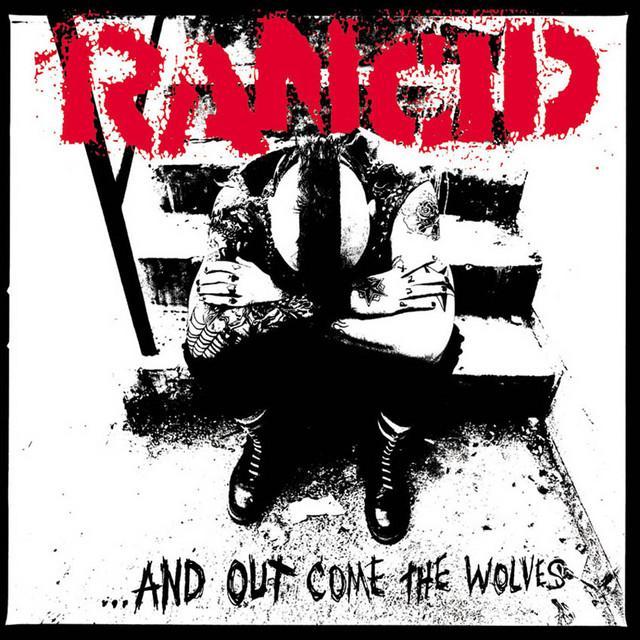
Why Rancid’s "Lock, Step & Gone" Feels Like Flight
Rancid’s "Lock, Step & Gone" turns a few blunt images into a vivid scene of danger, emptiness, and motion. The meaning of Lock, Step & Gone Rancid is not hard to feel even when some details stay open. They present a world that seems close to collapse, then build a chorus around one instinct: leave before the place swallows them too.
"Lock, Step & Gone" - Rancid
But it's comin' real soon (I lock step I'm gone)
I said the feeling isn't fear (there's something wrong)
Loading lyrics...
Unable to load lyrics
We're unable to display the lyrics at this time. Please try again later.
This is classic Rancid territory. The band often writes about streets, institutions, working-class pressure, and survival. Here, they strip that style down to something tense and immediate, using repetition and hard-edged punk energy to make escape sound less like a choice than a reflex.
A City on the Edge, Not the End
The song opens by denying full apocalypse while still warning that disaster is near. That tension matters. The narrator says the end is not here yet, but it is close, and the feeling driving them is not simple panic. In other words, they are not frozen. They are reading the signs.
That is why the phrase there’s somethin’ wrong
keeps returning. It acts like a siren in the background. The song never gives one neat explanation because the point is broader: the whole environment feels off.
Interpretation: rather than describing one event, Rancid may be capturing the psychology of urban decline. The danger is real, but so is the numbness that comes after seeing too much of it.
Watch the official Lock, Step & Gone
music video
The Street Images Tell the Story
Rancid fills the verses with details that suggest both violence and breakdown. There is a fire that will not stop, a killer who was never caught, transit that fails, and docks gone silent. These are not random punk images. Together, they show a city where systems no longer protect people.
The line about waiting while the buses won’t come
is especially sharp. It turns everyday public life into a dead end. The same goes for the image of quiet docks and no ships arriving. A port should mean movement, trade, and connection. Here it means stagnation.
Where there was once unrest, now there is only vacancy. The repeated idea of a whole lot of nothing
feels important because it shifts the mood from chaos to abandonment. The city is not only dangerous; it is drained.
What the Hook Really Means
The center of the song is the phrase I lock, step, I’m gone
. On the surface, it sounds practical: secure the door, move, disappear. That reading fits the song’s survival mood.
But the wording also carries a second layer. According to Lockstep history, the term once described a tightly controlled marching style used in prisons and other rigid systems. That history gives the title extra force. Lockstep can suggest dehumanizing control, forced movement, and life under discipline.
Interpretation: Rancid may be playing with both meanings at once. The narrator locks up and leaves, but they also resist becoming part of a dead, controlled routine. They move to stay alive, not to obey.
Oh, the end isn't here
but it's coming real soon
the feeling isn't fear
it's just telling you to move
That brief chorus sums up the song’s message. The body knows before the mind fully explains it. Motion becomes wisdom.
Broken Signs, Broken Order
A key verse describes a broken stop sign, meters going down, and wild dogs running themselves ragged. These images matter because they all point to failed regulation. Stop signs are supposed to organize traffic. Meters measure time and order. When both break, normal civic rhythm breaks too.
Even the command pair Stop
and Go
feels unstable. The song does not trust clear rules anymore. It suggests a world where signals still exist, but they no longer guide anyone.
That makes the line about a brief moment of clarity stand out. For an instant, everything makes sense. Then the song is moving again. Rancid treats understanding as temporary and action as urgent.
How the Sound Carries the Meaning
Musically, the song works because it does not over-explain. The arrangement hits hard and keeps pushing forward, which mirrors the narrator’s need to move. Fast drums, clipped guitar attack, and rough vocals create a feeling of compressed time.
That matters in a Rancid song. The band’s punk roots, documented on the band’s discography, often favor immediacy over polish. Here, repetition is not lazy writing; it is pressure. Every return to the hook feels like another scan of the street, another decision to keep going.
The call-and-response feel in the chorus also helps. It sounds like inner thought turning into physical action. First comes the warning. Then comes the exit.
A Few Strong Readings
There are at least three useful ways to read the song:
- Urban survival song: the narrator sees a neighborhood becoming unlivable and gets out.
- Social decay snapshot: the failing buses, silent docks, and broken signs point to economic and civic collapse.
- Anti-conformity statement: the title’s echo of prison-style lockstep suggests resistance to control and dehumanization.
These readings do not cancel each other out. In fact, they work best together. Rancid often writes from the street outward, linking personal instinct with larger social failure.
The Lasting Takeaway
The meaning of Lock, Step & Gone Rancid lies in how quickly it turns dread into movement. They portray a place full of warning signs, but they refuse to romanticize staying. The song’s blunt wisdom is simple: when a world is breaking down, leaving can be an act of clarity.
That is why the track still hits. It is not only about fear. It is about recognizing a bad pattern, trusting the signal, and refusing to march in place.
Disclaimer: This interpretation is based on the lyrics, musical context, and available historical references. As with many punk songs, some meanings remain open to the listener.







