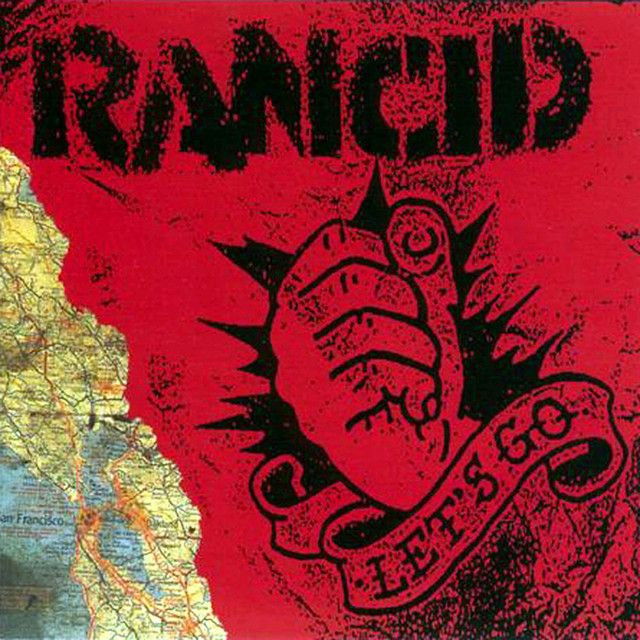
Salvation by Rancid
A Punk Story About Class, Need, and Irony
The meaning of Salvation Rancid starts with a sharp contrast: wealth on one side, poverty on the other. The song follows a narrator linked to charity work and shelter life, then places them face to face with a rich neighborhood. That setup gives the track its emotional charge.
"Salvation" - Rancid
I want your salvation
There's a neighborhood called Blackhawk
Loading lyrics...
Unable to load lyrics
We're unable to display the lyrics at this time. Please try again later.
At its core, the song is about social inequality and the strange theater of charity. The narrator is not speaking from comfort. They say they were down on my luck
and living in a shelter. From there, they travel into a wealthy area where donations are collected for people in need.
That is where the title idea becomes ironic. The repeated cry for your salvation
sounds like a request for help, but it also feels like a challenge. Who really needs saving here: the poor person asking, or the rich people hiding behind gates and gifts?

Watch the official Salvation
music video
The Scene It Builds in Just a Few Lines
Rancid makes the story vivid with concrete details. The narrator works with the Salvation Army, rides into an upscale neighborhood, and gathers cast-off goods like a microwave and refrigerator. Those objects matter because they show a system built on leftovers.
The poor are expected to be grateful for what the rich no longer want. Meanwhile, the wealthy are shown as protected and distant. The song describes a place where all the rich people hide
, which turns the neighborhood into more than a setting. It becomes a symbol of separation.
This is one reason the song lands so quickly. It does not need a long plot. In a few images, they sketch a whole social map: shelter, truck route, gated homes, and suspicious looks.
Who Is Speaking, and Why It Matters
The song uses a first-person narrator, but the feelings point beyond one person. They sound like someone who has seen poverty up close and has also seen how the wealthy try to manage guilt through donations. That perspective gives the song both anger and dark humor.
When the narrator says they are under suspicion
, the line captures more than one moment. It suggests that poor people are often treated as threats, even when they arrive through official charity channels. They are good enough to receive old appliances, but not trusted enough to belong.
A Brief Narrative Map
The song unfolds in a simple sequence:
- The narrator asks for “salvation,” setting up the song's key idea.
- They explain they are struggling and living in a shelter.
- They enter a rich enclave to collect donations.
- They see how the wealthy live and feel the distance between classes.
- The hook returns, now sounding more bitter and loaded.
That structure helps explain the meaning of Salvation Rancid. The chorus does not interrupt the story. It deepens it.
What the Chorus Really Means
The phrase I want your salvation
can be heard in at least two ways. Interpretation: On one level, it sounds like the narrator is asking for material help. They need support, plain and simple.
Interpretation: On another level, the line is sarcastic. The narrator may be mocking the idea that charity alone can fix injustice. The rich can give away old goods, but that does not erase the system that keeps them comfortable and keeps others desperate.
That double meaning is what gives the song its bite. “Salvation” is both practical and spiritual. In punk hands, it becomes a loaded word about money, morality, and power.
Come on baby won't you show me what you got
I want your salvation
Those lines sound almost flirtatious on the surface, but in context they feel confrontational. The narrator is pressing for proof: if the wealthy claim generosity, what are they really willing to give?
Sound, Speed, and Delivery
Rancid came out of the East Bay punk scene, and their band history helps explain why this song hits so hard. Their style mixes fast punk energy with street-level storytelling. That combination is central here.
“Salvation” moves with a punchy, compact drive. The guitars push forward, the rhythm section keeps things tight, and the vocal delivery sounds impatient rather than reflective. That matters. A slower arrangement might turn the song into a sad portrait of hardship. Rancid instead makes it feel urgent and confrontational.
The production also supports the message. Nothing sounds polished in a luxurious way. The track has a lean, working-class feel that matches the lyrics. On the album Let's Go, the song sits comfortably among other tracks about life on the edge, survival, and distrust of authority.
Symbols Hidden in Plain Sight
Several small images carry a lot of meaning:
- Blackhawk: not just a place, but a symbol of exclusion and privilege.
- The shelter: a reminder that the narrator lives inside the problem, not outside it.
- Appliances: useful items, but also signs of a throwaway economy.
- Front yard suspicion: a snapshot of class fear and social policing.
Even the line about people living like kings
matters because it frames wealth as almost feudal. Interpretation: The rich are not simply comfortable; they are elevated, distant, and protected from the struggles beneath them.
Why the Song Still Connects
Part of the lasting appeal of “Salvation” is how direct it is. It does not wrap its ideas in abstract poetry. It points to a real social arrangement many listeners recognize: wealthy communities insulated from the people who serve them, fear of the poor, and charity that may ease conscience more than inequality.
It also avoids easy moral comfort. The song does not say all giving is fake. Instead, it asks listeners to notice the imbalance around that giving. That is a more interesting and more unsettling point.
Final Take on the Meaning
The meaning of Salvation Rancid lies in its tension between need and accusation. The narrator asks for help, but they also expose the limits of charity in a divided world. The song turns one trip into a rich neighborhood into a broader statement about class, dignity, and suspicion.
That is why the track feels bigger than its runtime. It is a fast punk song, but it carries a sharp social critique inside its hook and imagery.
Disclaimer: This interpretation is based on the lyrics, known context, and the song's musical presentation. As with most songs, listeners may hear different meanings in the same lines.







