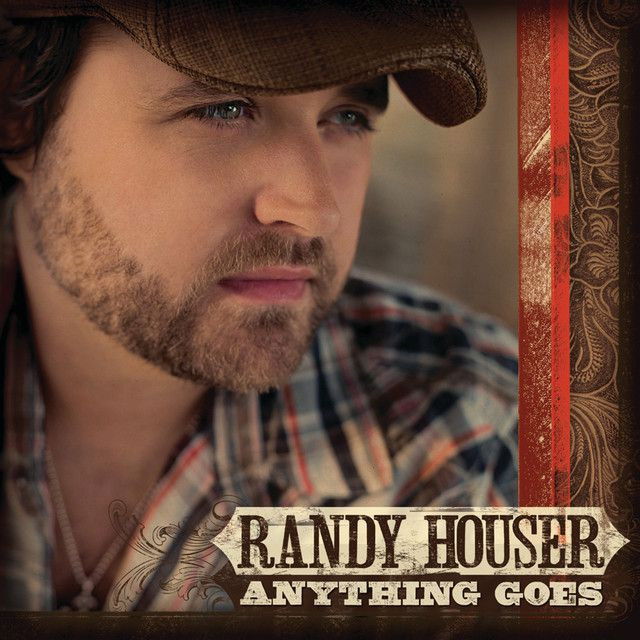
Boots On by Randy Houser
A country anthem about identity, not just a night out
The meaning of Boots On Randy Houser starts with a simple scene: a tired working man finishes a rough day and heads out without trying to look polished. On the surface, it is a fun country song about blowing off steam. But under that easy charm, it is also about pride, self-respect, and staying true to where they come from.
"Boots On" - Randy Houser
Ten hour days and I'm tired
Damn this knuckle busted',
Loading lyrics...
Unable to load lyrics
We're unable to display the lyrics at this time. Please try again later.
The narrator is sore, broke, and worn down by labor. Instead of hiding that, they wear it like proof of character. When the song says workin' too hard
and points to calloused hands
, it frames hard labor as something real and honorable, not embarrassing. That is the heart of the song.
Watch the official Boots On
music video
From hard work to Saturday-night release
The first verse sets up a classic country contrast. The day is all strain and frustration, while the night offers relief. The job is described as punishing and underpaid, so going out becomes more than entertainment. It feels like a small act of freedom.
That is why details matter. The cold drink, the worn clothes, and the rough humor build a world where the narrator does not need glamour to feel alive. They just need space to relax and be seen. In that sense, the song connects work and pleasure: the harder the week, the sweeter the release.
The story moves in three clear beats
- They finish a brutal workday.
- They go out exactly as they are.
- They realize that confidence, not polish, draws attention.
That third point shapes the emotional turn. The narrator notices a very attractive woman and seems surprised she notices them back. The song does not become a makeover fantasy. Instead, it insists there is no need to change
anything.
The chorus turns clothing into a personal code
The chorus lists hat, grin, jeans, and other familiar country markers. These are not random props. They act like a statement of self. The repeated image of going out with my boots on
means they will not dress up to fit somebody else's standard.
Interpretation: the boots symbolize more than fashion. They stand for class identity, rural roots, and masculine self-possession. The narrator is not asking for acceptance. They are assuming it.
This is why the hook works so well. It is catchy, but it also carries the song's argument: authenticity is attractive. The narrator's confidence does not come from money, status, or city style. It comes from knowing who they are.
Why the romantic moment matters
The woman in the song could have been written as a trophy. Instead, she mainly serves another purpose: she tests the narrator's insecurity. They wonder why someone who looks glamorous would look their way.
That moment sharpens the song's message. The narrator begins from self-doubt, calling themselves a modest country boy, then lands on a stronger truth. They do not have to become someone slicker to be worthy of attention. Their rough edges are part of the appeal.
A key lyric expands the idea beyond the bar
Near the end, the song reaches past flirting and nightlife into something bigger:
I am who I am
the man I'm gonna be
This brief turn gives the song its deeper weight. What sounded like a bar anthem becomes a life motto. The narrator is not only saying they will keep their boots on tonight. They are saying they will keep their identity for life.
Faith, mortality, and the final twist
One of the smartest parts of the song is its last leap. It moves from a local night-out setting to the idea of judgment and death. When the narrator imagines the Lord recognizing them, the line is playful, but it also adds conviction.
Interpretation: this ending suggests their public self and private self are the same. They are not one person at work, another at the bar, and another in church. The song treats consistency as a virtue. Even the phrase take me home
carries a double meaning, hinting both at leaving the bar and at final salvation.
That kind of spiritual wink is common in country music, where songs often mix earthly fun with moral grounding. Here, it helps the song avoid feeling shallow.
How the sound supports the message
Houser's vocal style matters a lot. They are known for a big, grainy voice, and that sound makes the song believable. A smoother singer might have made it feel too cute. Houser gives it weight and muscle.
Production-wise, the track leans on midtempo country-rock energy: sturdy drums, electric guitar, and a singalong chorus. That arrangement supports the working-man point of view. It sounds grounded rather than glossy. Houser released the song on their debut album, Anything Goes, and it fits the late-2000s mainstream country lane that mixed radio polish with blue-collar imagery. Songwriting credits list Houser and Brandon Kinney, as noted by MusicRow.
Why the song connected with listeners
The meaning of Boots On Randy Houser likely resonated because it offers a fantasy that still feels earned. The narrator is tired and ordinary, yet they still walk into the room with dignity. Many listeners hear themselves in that balance.
The song also speaks to a long country tradition: everyday people claiming value in a culture that often rewards appearance and money. Boots, mud, and labor become badges of honor. That message is simple, but it is powerful.
Final takeaway on its meaning
At its core, this song is about self-acceptance dressed up as a nightlife anthem. It celebrates a person who has been worn down by work but refuses to feel small. The romance, the humor, and the swagger all serve that bigger point.
Interpretation disclaimer: Song meanings are never fully fixed, and different listeners may hear this track as a party song, a class-pride statement, or a quiet declaration of faith. This reading is based on the lyrics, performance, and available artist context.









