Why Randy Newman's 'Short People' Still Stings
The meaning of Short People Randy Newman often gets misunderstood on first listen. The song sounds like a cruel novelty hit, but that surface is the joke. Randy Newman builds an absurd attack on short people to expose how prejudice works: it reduces human beings to petty physical traits, then turns those traits into a false reason for hate.
"Short People" - Randy Newman
Short people got no reason
Short people got no reason
Loading lyrics...
Unable to load lyrics
We're unable to display the lyrics at this time. Please try again later.
That is why the song still lands. It is funny, uncomfortable, and sharper than its singalong melody suggests.
The Real Target Is Bigotry, Not Height
On the page, the song’s narrator seems nasty and childish. They repeat got no reason
and pile on insults about body parts, voices, and habits. The exaggeration matters. Newman is not making a serious case against short people; they are creating a ridiculous speaker whose logic collapses under its own meanness.
The clearest clue comes in the bridge, where the song suddenly admits just the same
as everyone else. That moment breaks the rant wide open. It reveals the central idea: hatred often survives even when people know, deep down, that the group they attack is no different from them.
Interpretation: The song works as a satire of everyday prejudice. By choosing height instead of race, religion, or class, Newman makes the bias look obviously irrational, then lets listeners connect that irrationality to real forms of discrimination.
Watch the official Short People
music video
Why So Many People Missed the Joke
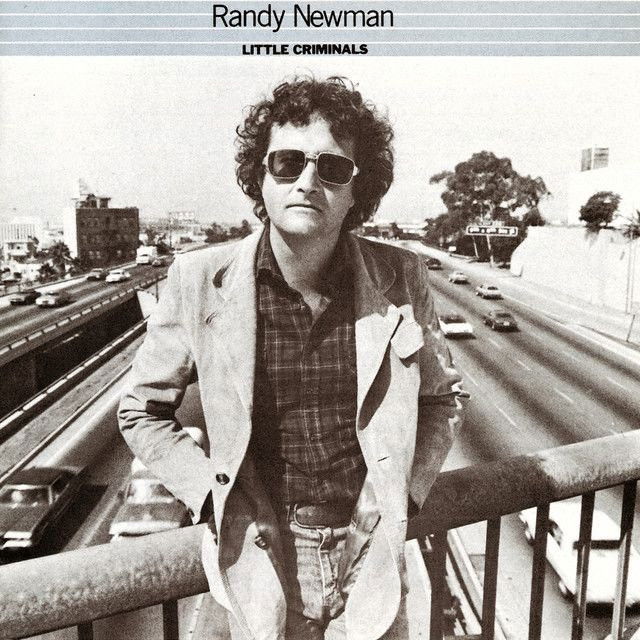
Part of the song’s history is that many listeners took it literally. Released in 1977 on Little Criminals, it became one of Newman’s biggest hits and also one of his most debated songs. Newman was already known for writing from the perspective of flawed or ugly-minded characters, a style discussed in coverage of his songwriting career by sources like Encyclopaedia Britannica and the Rock & Roll Hall of Fame.
Still, satire is risky when the tune is catchy and the hook is easy to chant. Some people heard only the repeated line don't want no short people
and stopped there. That reaction is almost part of the song’s point: audiences do not always notice when a performer is acting in character.
A Character Study in Disguise
Newman often writes narrators who embarrass themselves. Here, the speaker sounds small, insecure, and eager to judge. Their insults are cartoonish, from great big lies
to picky complaints about tiny features. Each detail makes the narrator look worse, not the people they mock.
How the Lyrics Build the Satire
The verses are basically a list of invented grievances. The speaker keeps shrinking people into objects of ridicule, treating size as destiny. That is how prejudice often sounds in real life: repetitive, shallow, and weirdly confident.
There is one especially telling shift in the song. After all the taunts, it pauses for a humane reminder:
All men are brothers
Until the day they die
That brief turn matters more than the insults around it. Newman places a simple moral truth inside a song full of nonsense. The contrast makes the narrator’s cruelty sound even emptier.
Interpretation: The bridge may be the song’s conscience. It interrupts the mock hatred and reminds listeners that the rant has no ethical foundation.
The Sound Makes the Joke Sharper
The arrangement is bright, springy, and deceptively light. Newman’s piano sits at the center, with a pop structure that feels playful rather than threatening. That upbeat sound creates irony: the music is cheerful while the words are ugly.
That mismatch is crucial to the meaning of Short People Randy Newman. If the song were dark and heavy, it might sound sincere. Instead, the almost bouncy production makes the insults feel silly and performative. The hook sticks because it is musically inviting, but that invitation traps the listener into noticing how ugly the message really is.
Newman’s vocal delivery helps too. They do not sing like a righteous protest singer. They sound dry, amused, and slightly detached, which fits the idea that this is a role being played. The performance leaves just enough distance for listeners to hear the satire.
A Broader Reading Beyond the Literal Joke
The song is not only about height. It is about scapegoating itself. People often choose some visible trait, then build a fantasy around it: these people are dishonest, dirty, dangerous, or unwanted. In this song, those claims are so silly they become impossible to defend.
That is what gives the track its long life. Even decades later, it feels like a lesson in how bias gets dressed up as common sense. The specifics are comic, but the structure is familiar.
Why It Still Feels Uncomfortable
The song remains divisive because satire does not guarantee clarity. Some listeners think the joke is too risky, since repeating hateful language can still sting. Others see that discomfort as the point. Newman forces people to hear prejudice stripped of noble excuses.
Both responses help explain the song’s reputation. It is catchy enough to be mistaken for a novelty record and sharp enough to outlast that label.
Final Take on Randy Newman's Message
In the end, the meaning of Short People Randy Newman is not that short people deserve ridicule. It is that prejudice sounds ridiculous once it is exposed. Newman uses a foolish narrator, exaggerated details, and a bright pop arrangement to show how petty bias really is.
That combination is why the song still sparks debate. It makes people laugh, then asks them what exactly they were laughing at.
Disclaimer: This interpretation is based on the song’s lyrics, performance style, and public context. As with most satire, different listeners may hear its message in different ways.








