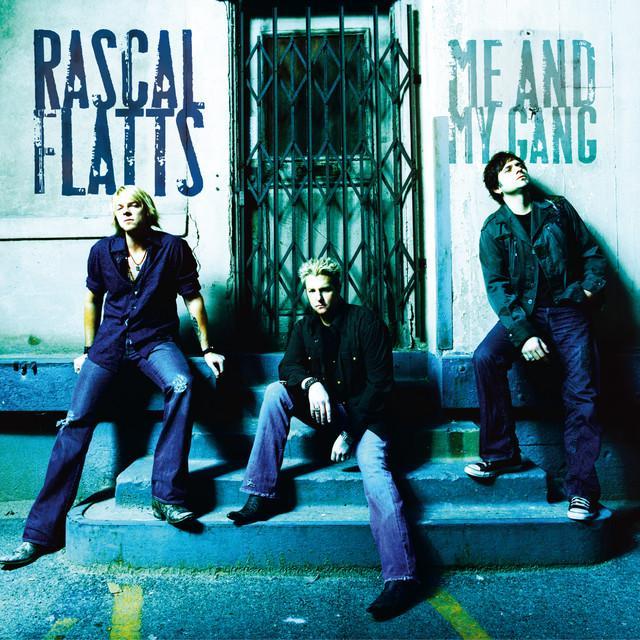
What Hurts The Most by Rascal Flatts
The meaning of What Hurts The Most Rascal Flatts comes down to one crushing idea: regret lasts longer than the moment that caused it. The song is not only about losing someone. It is about living with everything that never got said before that loss became final.
"What Hurts The Most" - Rascal Flatts
That don't bother me
I can take a few tears now and then and just let 'em out
Loading lyrics...
Unable to load lyrics
We're unable to display the lyrics at this time. Please try again later.
Rascal Flatts turned the song into one of the most recognizable country-pop ballads of the 2000s. Written by Jeffrey Steele and Steve Robson, it appeared on the band’s album Me and My Gang and became a major hit for the group, helping define their crossover sound. Those are factual points tied to the song’s release history and credits, even if the emotional meaning is broader than chart data.
The Real Wound Is Regret, Not Just Heartbreak
On the surface, the singer says they can survive the obvious signs of grief. They can handle tears, bad days, and the quiet of an empty room. But the song makes a sharp turn: the deepest pain is not crying or loneliness. It is being close to someone and then losing the chance to speak honestly.
That is why the chorus lands so hard. The narrator says what hurts the most
is having so much to say
and then watching the other person leave. In plain terms, the song argues that heartbreak becomes heavier when it is mixed with silence and missed timing.
Interpretation: This is why the ballad feels bigger than a standard breakup song. It is not just about separation. It is about emotional hesitation, and the damage hesitation can do.
Watch the official What Hurts The Most
music video
A Story Told After the Moment Has Passed
The verses move like a person replaying events after it is too late to change them. First, they describe the surface level of grief. Then they admit they sometimes pretend they are fine. After that, the song reveals the real burden: not the breakup alone, but the realization that key feelings stayed hidden.
A simple timeline helps:
- They live with everyday reminders of loss.
- They act okay in front of others.
- They admit the worst part is the unfinished conversation.
- They imagine what they would change.
That last step matters most. Near the end, the narrator says they would give up the words they kept unspoken
. That confession turns the song from sadness into self-reproach. They are not only mourning the person. They are mourning their own delay.
Who the Song Seems to Address
The lyrics speak directly about one absent person, but they never explain exactly why that person is gone. That open space is one reason the song travels so well across audiences. Listeners can hear it as a breakup, a separation caused by pride, or even a loss made permanent by death.
Interpretation: The most common reading is romantic heartbreak. The details about old friends, forced smiles, and seeing life continue without the relationship fit that frame. Still, because the song never gives a precise event, it allows a wider emotional reading built around unfinished love.
This ambiguity is a strength. Instead of narrowing the story, it makes the emotion feel universal.
The Chorus Turns Nearness Into Pain
The song’s hook is powerful because it connects closeness with failure. Usually, being near someone means safety or intimacy. Here, being near them only increases the regret. The narrator was close enough to speak, close enough to act, and close enough to imagine a future. That makes the ending hurt more.
One key phrase is what could've been
. The song never describes that future in detail, which is smart writing. A vague future can feel even more painful than a concrete one, because the imagination keeps expanding it.
And never knowin' what could've been
And not seein' that lovin' you
Is what I was trying to do
Those lines clarify the narrator’s final understanding. They now know their love was real, but they failed to make it clear in time.
Everyday Images Make the Grief Feel Real
The imagery is simple on purpose. The song opens with rain, an empty house, tears, and later moves to old friends and the effort of getting dressed. None of that is flashy. It is ordinary life.
That matters because grief often feels most intense in routine moments. A dramatic event may start the pain, but daily habits keep reminding someone what is gone. The mention of an empty house
is especially effective because it suggests both physical absence and emotional hollowness.
Why Rascal Flatts' Sound Fits the Message
Part of the meaning of What Hurts The Most Rascal Flatts comes from the performance, not only the words. Rascal Flatts were known for blending country storytelling with polished pop production, and this song uses that formula carefully.
The arrangement begins softly, leaving space for the confession. As the song builds, drums, guitars, and harmony vocals widen the emotional scale. Gary LeVox’s lead vocal is key: he starts restrained, then pushes into a higher, aching delivery on the chorus. That rise mirrors the lyric’s move from controlled sadness to emotional exposure.
The production also avoids clutter. It lets the central feeling stay clear: this is a private regret that grows into something overwhelming.
Why the Song Still Connects
The song remains popular because it expresses a common fear in plain language: saying too little, too late. Many love songs focus on passion or blame. This one focuses on missed communication.
That makes it deeply relatable. Most listeners know the pain of replaying a conversation, a breakup, or a goodbye and wishing they had been braver. Rascal Flatts gave that feeling a huge chorus and a gentle verse structure, so the song works both as personal therapy and as a sing-along release.
Final Take on Its Meaning
In the end, the meaning of What Hurts The Most Rascal Flatts is about the ache of unfinished honesty. The loss hurts, but the uncertainty hurts more. The narrator can survive tears and loneliness; what they cannot shake is the thought that love was real and still somehow left unsaid.
That is why the song lasts. It understands that heartbreak is often less about the end itself than about the words a person never found the courage to say.
Disclaimer: This interpretation is based on the released lyrics, performance, and public song credits. As with many popular songs, listeners may connect with different meanings depending on their own experiences.








