The Night the Lights Went Out in Georgia by Reba McEntire
They come to this song for the shiver of a campfire tale and the punch of a courtroom shock. If you’ve ever wondered about the meaning of The Night the Lights Went Out in Georgia Reba McEntire delivers, this guide breaks down the plot, symbols, and sound that make her version sting.
"The Night The Lights Went Out In Georgia" - Reba McEntire
Been two weeks gone and he thought he'd stop
At Web's and have him a drink 'fore he went home to her
Loading lyrics...
Unable to load lyrics
We're unable to display the lyrics at this time. Please try again later.
A Southern-Gothic Murder Tale, Country-Style
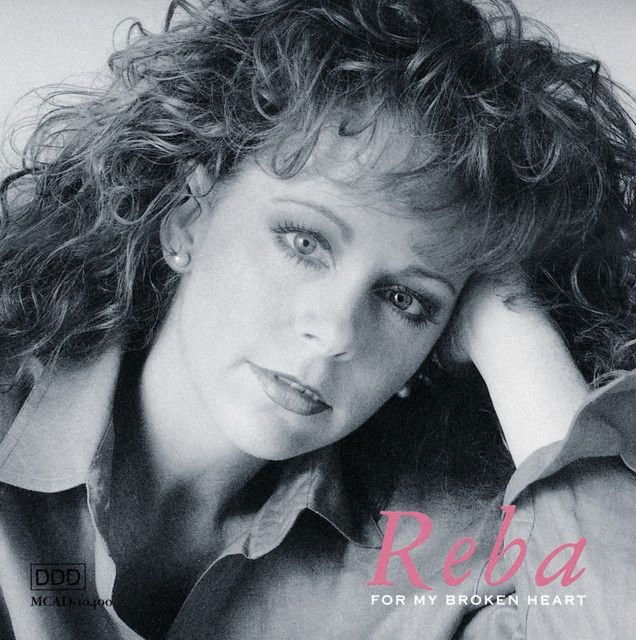
This is a classic murder ballad with a twist ending. Written by Bobby Russell in 1972, it was first recorded by Vicki Lawrence and became a No. 1 pop hit the next year. Nearly two decades later, Reba McEntire revived it on her 1991 album For My Broken Heart, releasing it as a single in 1992; her cut reached No. 12 on the country chart. The story blends infidelity, rage, and small-town corruption into a dark fable about how quickly justice can fail.

Watch the official The Night The Lights Went Out In Georgia
music video
Who’s Talking—and Why That Matters
The narrator speaks in first person, though they hide who they are until the final verse. For most of the song, they sound like a neutral storyteller. Then comes the reveal: the “innocent man” was the narrator’s brother, and the narrator is “little sister.” Her stark line—Little Sister don't miss
—turns the tale into a confession.
Interpretation: That twist shifts the song from a simple whodunit to a commentary on vengeance. The narrator’s voice feels steady, but their choices are brutal. They’re both witness and perpetrator, which complicates our trust.
The Night, Beat by Beat
- A husband returns home and hears rumors his wife’s been unfaithful. His friend warns him, saying
boy, don't you lose your head
. - Fueled by anger, the husband grabs a gun and heads to the friend’s house.
- He spots footprints “too small” to be the friend’s, then sees the friend dead on the floor.
- Panicked, he fires a shot to flag down the patrol. He’s arrested on the spot.
- A rushed proceeding follows. He’s declared guilty and hanged that night.
- Last verse: the narrator is the sister who killed the friend—and already disposed of the cheating wife’s body.
Why the Chorus Hits Like a Verdict
The refrain repeats that the lights went out in Georgia
and warns, don’t trust a backwoods Southern lawyer
because the judge has bloodstains on his hands
. In plain terms, the system failed.
Interpretation: “Lights out” works as a metaphor for the death of truth and due process. The chorus reframes every verse: no matter who sinned first, the community’s institutions collapse the quickest.
Symbols, Motifs, and Moral Math
- Footprints: The “too small” tracks quietly point to the real killer and embody the song’s fair-play clue.
- The gun: Called the only thing “Daddy” left him, it symbolizes inheritance—traditions passed down that can harm as much as help.
- Darkness: The title’s “lights out” echoes the execution and the moral blackout that follows.
- Justice theater: The
make-believe trial
captures small-town cronyism. The judge’s haste (“supper’s waiting”) underlines how casual the injustice feels.
Interpretation: The sister frames her acts as protective, but the song’s imagery—blood, darkness, sham trial—suggests a cycle of private revenge and public failure. Nobody is clean.
How Reba’s Version Deepens the Drama
Reba’s recording runs longer than early versions and leans into ‘90s Nashville polish: a measured tempo, atmospheric keys, ringing electric guitar, and a snare that tightens as the plot thickens. Her vocal starts conversational, then climbs toward a controlled belt on the chorus, mirroring rising stakes and outrage.
Musically, the arrangement uses a lift into the chorus to brighten the harmony before dropping back into a darker verse feel. That modulation creates a flash of clarity—then the lights go out again.
On video, director Jack Cole turns the story cinematic, naming the brother “Raymond Brody” and implying deeper townwide corruption. The clip spells out the triangle and adds backstory without changing the song’s core: a warning about institutions that protect themselves first.
Alternate Readings to Consider
- Interpretation: The title may double as a poetic timestamp (the fateful night) and a metaphor for the state’s moral lights going dark.
- Interpretation: Some hear the sister as a vigilante with good intentions gone lethal; others see a cold planner willing to let her brother hang. The text supports both: she’s remorseful, yet matter-of-fact.
Takeaway: A Ballad About Darkness and Due Process
They come for the twist, but stay for the warning. This murder ballad says passion can spark tragedy, but broken systems finish the job. That’s why Reba’s version still chills: it sings like a headline and a eulogy at once.
Disclaimer: Song meanings are interpretive and may vary by listener; details above combine lyrical analysis with documented release history and production context.
Sources
- https://en.wikipedia.org/wiki/The_Night_the_Lights_Went_Out_in_Georgia
- https://www.songfacts.com/facts/vicki-lawrence/the-night-the-lights-went-out-in-georgia
- https://en.wikipedia.org/wiki/Hot_Country_Songs
- https://en.wikipedia.org/wiki/For_My_Broken_Heart
- https://en.wikipedia.org/wiki/Tony_Brown_(record_producer)
- https://www.halleonard.com/









