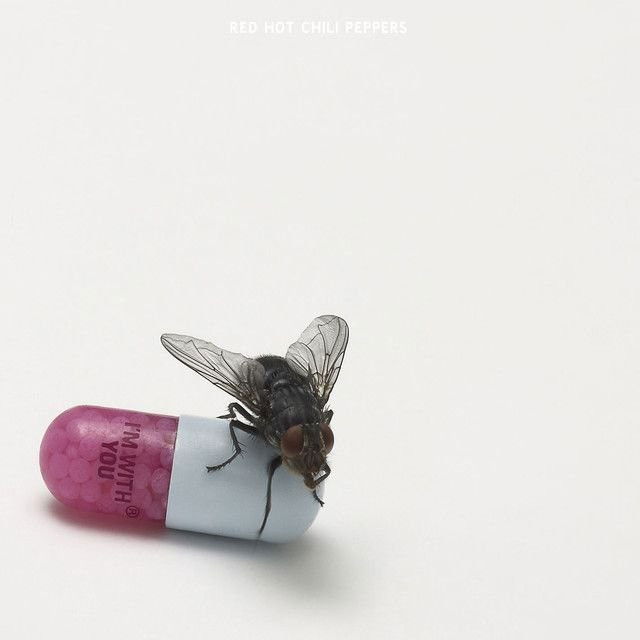
Monarchy of Roses by Red Hot Chili Peppers
A strange anthem about beauty and power
The meaning of Monarchy of Roses Red Hot Chili Peppers seems slippery on first listen, and that is part of its appeal. The song does not tell one clean story. Instead, they build a collage of images about desire, status, conflict, and fragile beauty.
"Monarchy of Roses" - Red Hot Chili Peppers
The promise of a clean regime are promises we keep
Do you like it rough I ask and are you up to task?
Loading lyrics...
Unable to load lyrics
We're unable to display the lyrics at this time. Please try again later.
Released as the second single from I'm with You in 2011, the track also opens the album, a fact noted in Wikipedia. That placement matters. As an opener, it announces a band entering a new phase with guitarist Josh Klinghoffer, but still chasing the same mix of funk, mystery, and emotional heat.
At its core, the song seems to imagine beauty as a kind of kingdom. The rose suggests love, art, or grace. The monarchy suggests rank, control, and hierarchy. Put together, the title feels both romantic and dangerous.

Watch the official Monarchy of Roses
music video
What the song is really saying
A simple way to read the song is this: they are singing about the fight to protect something beautiful in a messy world. That beautiful thing could be love, a city, a scene, a relationship, or even a state of mind.
The lyrics keep pairing tenderness with violence or strain. Early images describe blood, sleep, and a promised order. Those details make the world feel unstable from the start. Then the song shifts into images of crowns, queens, saints, and secret local dramas. It sounds almost royal, but also decayed.
Interpretation: the song treats beauty as something people want to own, defend, ruin, or remake. That idea comes through in the repeated push and pull between building up and tearing down.
When Kiedis sings about the colors of the crown
, the phrase hints at status and identity. It suggests circles of influence, the people who belong, and the symbols they wear. Then the names Mary and Sherry appear as opposing forces, one wanting to lift things up, the other wanting to destroy or scatter them.
How the verses connect to the bigger themes
The song works less like a diary entry and more like a dream. The opening image, crimson tide
, gives the track a sense of danger and motion. It is not calm beauty. It is beauty touched by blood, lust, or history.
Then there is the phrase clean regime
. That sounds political, but it can also be personal. A regime is a system of control. In this song, they seem interested in the false promise that life can be cleaned up and made orderly.
That is why the setting feels crowded with catacombs, queens, saints, and sailors. These are not random words. They point to buried history, old pain, spiritual weight, and people moving through the dark. The lyric world is full of pressure.
Mary, Sherry, and the split inside the song
Mary and Sherry may be real people, symbolic figures, or just names chosen for sound and contrast. What matters is what they do. One wants to fill or raise; the other wants to tear down or spit out. Together, they act like two sides of one impulse.
Interpretation: they may represent competing urges inside a relationship or inside an artist's mind. One side wants creation. The other wants rebellion, sabotage, or release.
Why the chorus matters so much
The chorus turns the song from private symbolism into a larger statement. When they sing the monarchy of roses
, they make the central image feel ceremonial. It sounds grand, but not stable.
That tension is key. A monarchy sounds permanent, while a rose is delicate and temporary. The hook fuses power with fragility. In other words, the song may be asking how anything lovely survives once people begin fighting over it.
The closing chant makes that idea even clearer:
We all want the rose
Show us love before you go
This is the closest the song gets to plain speech. Everybody wants the beautiful thing. Everybody wants love before it disappears. That directness gives the abstract verses an emotional center.
How the music carries the meaning
The production helps explain the song as much as the lyrics do. According to Loudwire, the track is built on a tension-and-release structure, with thunderous verses and a lighter chorus. That design mirrors the song's theme of conflict surrounding beauty.
In the verses, Chad Smith's drums hit hard, while the guitar texture feels jagged and unstable. Flea's bass keeps the song moving with nervous force. Then the chorus opens up, making space for harmony and lift. The effect is emotional as well as musical: pressure gives way to longing.
This was also an important early statement from the Klinghoffer era. Produced by Rick Rubin, the track keeps the Chili Peppers' rhythmic identity but lets the guitar drift into a more atmospheric place. That makes the song feel less earthy than some earlier singles and more ghostly.
Artist context and reception
As the second single from I'm with You, the song arrived during a transition period for the band after John Frusciante's departure. They were introducing a different chemistry without pretending to be a different band.
That may be one reason the song feels so unsettled. It is confident, but it is also searching. Critics noticed that mix. Loudwire praised its stadium-ready release, while some reviews found its ideas harder to pin down. Even so, it became a strong rock radio song and opened every show on the I'm with You tour, which suggests the band saw it as a mission statement.
Final reading: a kingdom that cannot last
The best reading of the meaning of Monarchy of Roses Red Hot Chili Peppers is that they are dramatizing the human urge to chase and control beauty, even though beauty never stays still. The song's royal language makes love and desire feel elevated. Its darker imagery reminds listeners that every ideal carries conflict.
So the song is not just about romance. It is about power around romance, myth around identity, and the scramble to hold onto something glowing before it fades.
Disclaimer: This interpretation is based on the lyrics, the song's musical design, and publicly available band context. Like many Red Hot Chili Peppers songs, its meaning remains partly open by design.








