Why 'We Turn Red' Feels So Restless
The meaning of We Turn Red Red Hot Chili Peppers comes through less like a straight story and more like a stream of memories, fears, jokes, and warnings. On the surface, the song jumps from cities to colors to prayer to war imagery. Underneath, it sounds like the band tracing how unstable modern life can feel.
"We Turn Red" - Red Hot Chili Peppers
We got a swimming pool and a cannon ball
We turn red and we turn green
Loading lyrics...
Unable to load lyrics
We're unable to display the lyrics at this time. Please try again later.
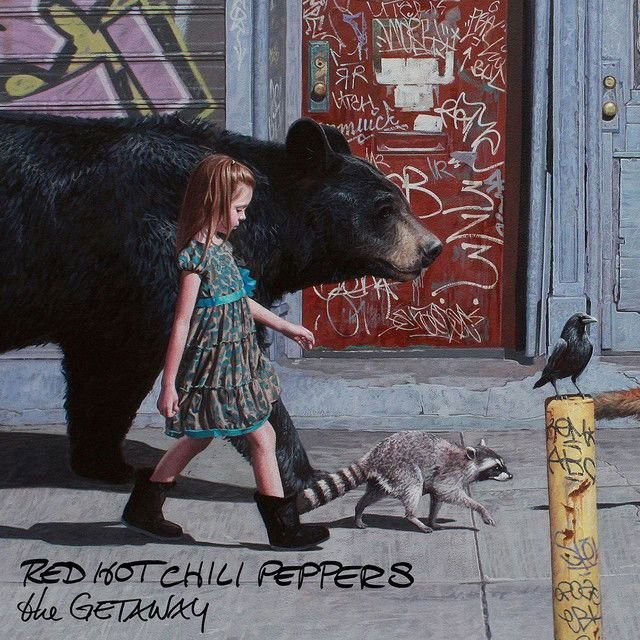
Released on The Getaway in 2016, the song arrived during a period when the band was trying a slightly different creative method with producer Brian Burton, better known as Danger Mouse. According to Songfacts, Flea said the track began from a drum loop in the studio and grew piece by piece, giving it more “thoughtfulness” while keeping live energy. That background matters because the song itself feels built from fragments that slowly reveal a bigger idea.
A Chorus About Human Change
The clearest clue is the title phrase we turn red
. Paired with we turn green
, it presents people as reactive and unstable. They change color, mood, and moral direction. The lyric sounds playful at first, but it carries tension too.
Interpretation: the song suggests that human beings are easy to trigger. They can become angry, jealous, sick, ashamed, or politically divided in an instant. The opening images of having both big and small things, plus a pool and a cannonball, also point to extremes. Life is comfort and danger sitting side by side.
That is why the hook feels memorable. It reduces a messy world into a simple image: people are always changing, and not always for the better.

Watch the official We Turn Red
music video
The Verses Read Like Mental Snapshots
Anthony Kiedis fills the verses with odd, vivid details. Songfacts notes that he is sharing “stories of my mind” from places he has visited, including New Orleans, Delaware, Mexico, and Trinidad. That helps explain why the song moves so quickly between locations and scenes.
Instead of one plot, they offer flashes of experience:
- travel and movement
- public life and private thought
- faith, obedience, and violence
- borders, neighbors, and cultural exchange
When the song mentions stories of my mind
, it almost explains its own method. These are not neat diary entries. They are impressions. The strange transitions make the listener feel the clutter of modern consciousness.
Beneath the Weird Humor, There Is Social Anxiety
Some of the song’s funniest lines are also its darkest. A phrase like heartless bombs
pushes the song toward politics and war. Another phrase, gold plated hate
, suggests prejudice polished into something respectable or even glamorous.
Interpretation: they seem to be criticizing systems that reward cruelty while ordinary people keep serving, obeying, and surviving. Even the image of watching while others pray hints at distance from easy comfort. The speaker is present, but not fully reassured.
This is where the song becomes more than surreal wordplay. It asks what kind of world people have built: one full of borders, class symbols, military language, and emotional numbness. The color shifts in the chorus then start to feel political as well as personal.
Mexico, Delaware, and New Orleans Matter
The place names are not random decoration. They widen the song’s map of America and its neighbors. New Orleans brings river culture and musical history. Delaware and legionnaires add a bureaucratic, almost governmental feel. Mexico is named directly as a neighbor, which gives the song a border-conscious perspective.
When they sing Mexico, you are my neighbor
, the line sounds open rather than defensive. It leans toward connection, bravery, and shared humanity. That matters on a song that also includes conflict imagery. The contrast suggests two possible worlds: one based on fear, another based on contact.
There is also movement beyond the United States, with Chicago, Trinidad, and Tobago entering the frame. The song keeps crossing lines on the map, as if refusing to stay in one national mood.
How the Sound Carries the Meaning
Musically, “We Turn Red” supports that push and pull. Paste described it as a more mellow song with a pensive chorus tied to sharper funk verses. That blend is key to its meaning.
The verses have a clipped, rhythmic motion that feels alert and a little nervous. Then the chorus opens up and softens, creating a brief sense of wonder. The result is emotional whiplash: tension in the groove, release in the hook, then tension again.
Flea’s account of the recording process also helps explain the arrangement. Because the song was assembled from loop-based studio ideas rather than only from a live jam, each section feels carefully placed. Chad Smith’s drums lock the track down, while bass and guitar leave room for the lyrics’ strange images to breathe.
Interpretation: the production mirrors the theme of instability. The song is controlled, but it never feels settled.
Two Strong Ways to Read It
There are at least two convincing readings of the meaning of We Turn Red Red Hot Chili Peppers.
Reading One: A Portrait of Social Breakdown
In this view, the song captures a culture shaped by obedience, nationalism, consumer comfort, and violence. The speaker notices the contradictions but cannot cleanly escape them.
Reading Two: A Map of the Modern Mind
In this reading, the scattered images represent thought itself. Travel memories, desire, fear, prayer, news, and politics all blend together. The song becomes a portrait of overstimulation: too many signals, too many loyalties, too many emotional colors.
Both readings can be true at once. That is part of what makes the track work.
The Lasting Takeaway
What gives “We Turn Red” its power is not a hidden plot twist. It is the uneasy feeling that people can be playful, loving, tribal, frightened, and destructive all at once. The song turns that unstable mix into a groove.
For listeners asking about the meaning of We Turn Red Red Hot Chili Peppers, the best answer is this: they are singing about human volatility in a world crowded by memory, borders, beauty, and threat. It sounds loose on purpose, because the mind it describes is loose too.
Disclaimer: This article offers interpretation based on the lyrics, recording context, and public commentary. Song meanings can remain open, and listeners may hear something different.








