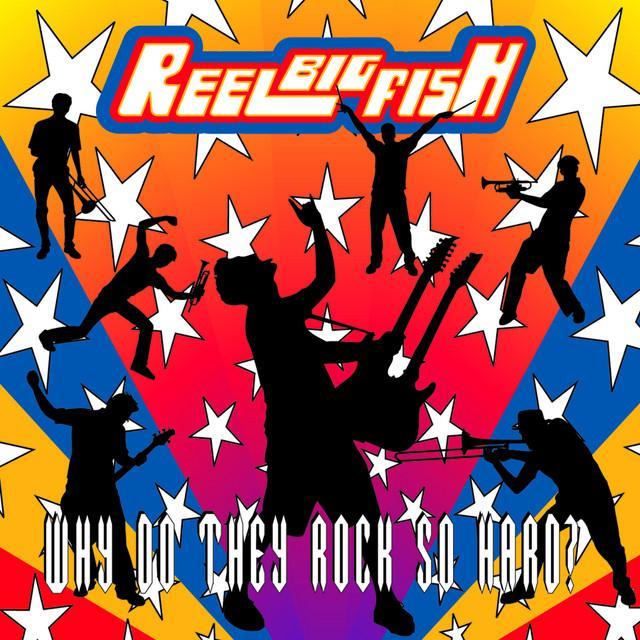
Brand New Song by Reel Big Fish
A breakup anthem wearing a fake smile
The meaning of Brand New Song Reel Big Fish comes from a sharp contradiction: the song sounds bright, fast, and funny, but the feelings inside it are messy. They present a narrator who claims to be moving on, writing something fresh, and adopting a new attitude. Yet every boast sounds unstable.
"Brand New Song" - Reel Big Fish
She is so lovely lovely
I've got a new ex-girlfriend
Loading lyrics...
Unable to load lyrics
We're unable to display the lyrics at this time. Please try again later.
That is why the song lands as more than a simple joke track. It is about post-breakup performance. The narrator wants to look fine, sound witty, and act untouched, but the lyrics keep exposing bitterness, regret, and self-deception.

Watch the official Brand New Song
music video
What the song is really about
On the surface, the singer says they have a new relationship, a new song, and a new outlook. But those claims feel exaggerated on purpose. When the song jumps from happy bragging to insults and then to apology, it shows someone spinning emotionally rather than healing.
A key line of thought appears in short phrases like brand new girlfriend
and brand new song
. They suggest replacement: a new person, a new track, a new identity. But the repeated need to say "new" hints that nothing is settled. If they truly moved on, they would not need to keep announcing it.
Interpretation: the song is less about a fresh start than about trying to force one before the hurt has faded.
The emotional split at the center
One of the song’s smartest moves is how it pairs cheerfulness with cruelty. The narrator calls the song happy, then admits to a hateful attitude. That quick turn tells listeners they are hearing a mask slip.
The phrase hateful hateful
matters because it breaks the upbeat pose. It also fits Reel Big Fish’s habit of mixing comedy with emotional ugliness. The band often uses sarcasm to make pain sound entertaining, which lets listeners laugh first and think second.
Another revealing phrase is I love you when you're not there
. Paraphrased, the singer can only manage tenderness at a distance. In person, the relationship brings conflict; in absence, they can control the memory. That is both funny and sad.
How the lyrics move from swagger to regret
The song follows a loose emotional timeline:
- They open with bragging and mock confidence.
- That mood turns into insults and frustration.
- They try to shrug it off and claim indifference.
- Regret finally breaks through.
The clearest pivot comes near the end, when they admit they will always regret it
. This confession changes the song. Suddenly, the earlier jokes look defensive rather than carefree.
Well I let it go
I don't care
A brand new song
about this mess
In that short passage, the song says two opposite things at once. The narrator claims release, then reveals disorder. They insist they are over it, but the very act of writing the song proves they are still in it.
Why the messy wording matters
Some lines feel almost tossed off, including the strange math image about not being able to divide things cleanly. That matters. The song is not trying to tell a neat story. It sounds like someone talking too fast, saying whatever comes to mind, and using jokes to avoid a direct confession.
Interpretation: the uneven logic reflects an uneven emotional state. They cannot make the relationship add up, so the language itself becomes scrambled.
How the sound carries the meaning
Reel Big Fish are best known for ska-punk: punchy guitars, bouncy rhythms, and horn lines that can make even a bitter song feel playful. That style is central here. The upbeat arrangement creates comic distance from the breakup, but it also makes the anger feel more frantic.
The band emerged from the Southern California ska scene and became widely known through songs like "Sell Out," as noted in their AllMusic profile. That history matters because their catalog often balances self-mockery, catchy hooks, and emotional frustration.
The writing credit goes to Aaron Barrett, Dan Regan, and Grant Barry. Barrett, the band’s main creative voice, has long leaned on humor and bitterness in the same breath, a pattern reflected across the group’s discography.
Fast tempo does important work here. It keeps the song from becoming heavy, even when the words point to resentment. Horns and tight rhythm suggest celebration, while the vocal delivery sounds twitchy and irritated. That tension is the point.
Alternate readings worth considering
There are at least two strong ways to hear this track.
Reading one: a breakup rant
This is the most direct reading. The singer is reacting to a failed relationship, pretending to be fine, then revealing pain. In this version, the song is a comic portrait of emotional immaturity.
Reading two: a joke about songwriting itself
Because the narrator keeps talking about writing a new song, the track may also poke fun at breakup songwriting. They know they are turning personal drama into material. That self-awareness gives the song an extra layer: it is both a breakup song and a parody of one.
Why it still works
The meaning of Brand New Song Reel Big Fish lasts because it captures a familiar human habit: acting over something before actually being over it. They turn that awkward stage into a catchy, chaotic performance.
The result is funny, mean, apologetic, and wounded all at once. That emotional confusion is exactly what gives the song its life.
Disclaimer: This article offers interpretation based on the lyrics, songwriting credits, and publicly available artist context. Song meaning can remain open to different listener readings.







