Why 'Us' by Regina Spektor Still Feels Sharp
The meaning of Us Regina Spektor starts with a strange image and grows into something larger: a song about being turned into a symbol in a dishonest world. It sounds playful at first, but beneath that quirky surface is a sharp idea about fame, blame, history, and the way society uses people up.
"Us" - Regina Spektor
And then put it on a mountain top
Now tourists come and stare at us
Loading lyrics...
Unable to load lyrics
We're unable to display the lyrics at this time. Please try again later.
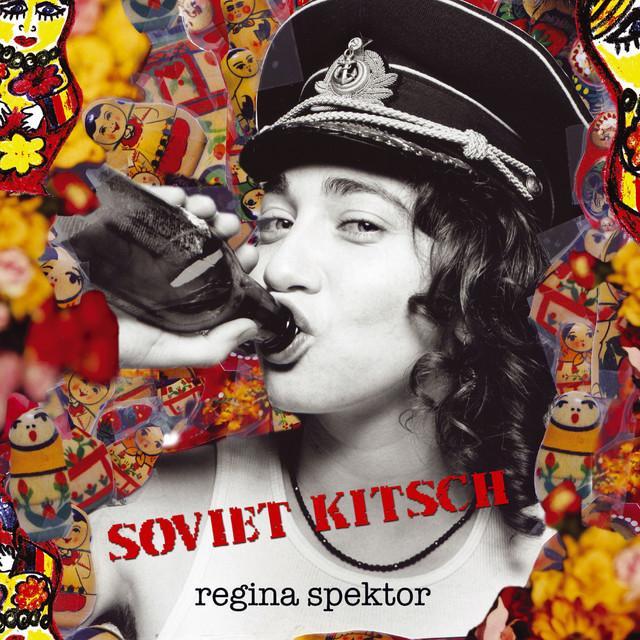
Regina Spektor wrote "Us," and the song appeared on Soviet Kitsch in 2004, the album that helped define her early breakout era. She is widely known for mixing literary images, piano-driven melodies, and offbeat storytelling in ways that feel both intimate and theatrical. In "Us," that style becomes a perfect match for a song that sounds almost childlike while saying something cutting.
A Statue, a Crowd, and a Warning
At the center of the song is the image of public memory. The opening scene imagines people memorialized and put on display, as if history has turned them into an attraction. When the lyric mentions statue of us
, it suggests more than honor. It also hints at being frozen, misread, and reduced to an image.
That matters because the crowd in the song does not act reverently. They come to stare, consume, and move on. The song treats public attention as shallow entertainment, not deep understanding. In plain terms, the people being remembered are no longer fully human to the audience.

Watch the official Us
music video
The Song's Main Idea
The clearest reading is that "Us" is about what happens when people become symbols in a damaged culture. First they are praised. Then they are blamed. Then others claim moral authority over them.
When the song says a city could be named after them and later everything could become their fault, it captures a familiar cycle. Society builds heroes and myths, then tears them down. Interpretation: Spektor may be pointing to artists, lovers, rebels, or historical figures who get rewritten by the public until their real selves almost disappear.
Why the Chorus Changes the Scale
The chorus pushes the song beyond one pair of people. The repeated image of den of thieves
makes the world itself feel corrupt. Instead of a private problem, the song becomes a social diagnosis.
The next line, rummaging for answers
, suggests people searching through books, records, or stories for truth. But they may be looking in a broken place, where the sources themselves are shaped by theft, distortion, or inherited lies. Then comes the key word: contagious
. Corruption is not fixed in one person. It spreads.
That repetition is important. It turns the chorus into a warning: dishonesty becomes normal when everyone breathes it in.
Small Images With Big Meaning
One of Spektor's strengths is using odd details to say large things. In "Us," the clothing image is especially striking. The phrase scarves just like a noose
describes pressure and danger, but the song quickly complicates it. This is not simply a wish to disappear. It sounds more like people living with strain, exhaustion, and social constraint.
Another telling image comes near the end, when our noses have begun to rust
. That line feels darkly funny, but it also fits the statue idea perfectly. Even monuments decay. Public honor does not protect anyone from time, damage, or neglect.
Taken together, these images suggest a world where people are displayed, worn down, and eventually left to weather.
How the Sound Carries the Meaning
Musically, "Us" helps its meaning land through contrast. Spektor's piano gives the song bounce and motion, while her vocal delivery shifts between lightness and urgency. That creates a slightly unstable feeling, as if the song is smiling while saying something grim.
The arrangement supports that tension. The melody is catchy and almost whimsical, but the repeated chorus feels obsessive rather than comforting. The more the song circles back to social decay, the more its playful energy starts to sound nervous.
This is part of why the track has lasted. The production does not flatten the lyrics into one mood. Instead, it lets beauty and unease sit together.
Two Strong Ways to Read It
Interpretation 1: A song about fame and myth. The statue, tourists, and public blame all fit a reading about celebrity or historical reputation. People are celebrated in one era and condemned in another.
Interpretation 2: A song about a relationship inside a broken culture. The word "us" can also point to two people trying to survive together while the world around them spreads corruption, fear, and judgment.
These readings do not cancel each other out. In fact, the song works so well because it can hold both at once: the personal and the political.
Why "Us" Still Connects
Part of the meaning of Us Regina Spektor is its refusal to give a neat answer. It describes a world where memory is unreliable, praise is temporary, and truth is hard to find. Yet it does so with wit, melody, and vivid imagery instead of heavy explanation.
That balance is why the song still resonates. It understands how people turn one another into stories, and how those stories can become careless, cruel, or contagious.
Final Take
"Us" is best heard as a song about public identity in a morally shaky world. It asks what happens when people become symbols and when a culture built on theft and blame starts to treat that as normal.
Like many Regina Spektor songs, its meaning stays open by design. This interpretation is a reader-friendly reading, not a final or official answer.








